
Researching before you get quotes? This guide breaks down every common roofing material — with honest pros, cons, 2026 pricing, insurance savings, and Oklahoma-specific advice from local roofers who've inspected 5,000+ homes.
For most Oklahoma homeowners, Class 4 Architectural Shingles offer the best balance of cost, hail protection, and insurance savings (15–28% premium discounts). For homeowners who want lifetime durability and maximum energy savings, Standing Seam Metal Roofing is the #1 choice — with 40–70+ year lifespans and 20–40% cooling cost reductions.
The geometric form of your roof — gable, hip, gambrel, flat, etc. This is determined by your home's architecture and affects drainage, wind resistance, and attic space.
What your roof is made of — asphalt shingles, metal panels, clay tile, slate, etc. This determines lifespan, cost, storm performance, and energy efficiency.
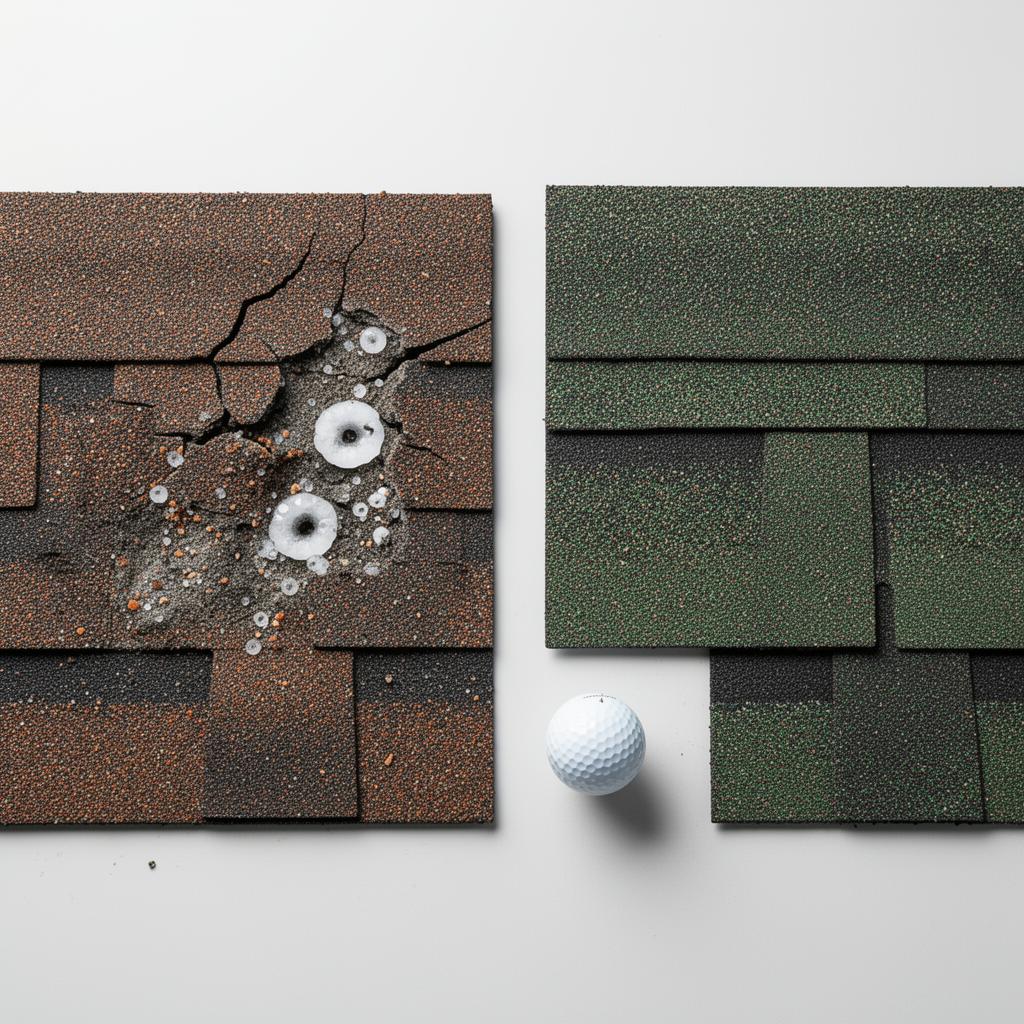
Oklahoma's climate isn't just "bad weather" — it's four distinct threats that most roofing guides ignore. Here's how each material actually performs against what your roof faces every year.
For each material, we cover what it is, lifespan, cost tier, pros, cons, and Oklahoma-specific recommendations.
3-Tab, Architectural & Designer Shingles
Flat, uniform look. Lightest and most affordable. Typical lifespan: 15–20 years.
Layered, textured appearance with better wind ratings. Lifespan: 25–30 years. The most popular choice in OKC.
Mimic slate or cedar shake. Heaviest-duty wind and impact ratings. Lifespan: 30+ years.
15–30+ years
Good
$
Good–Excellent (Class 4 impact-rated options available)
Low
Moderate (cool-roof shingles available)
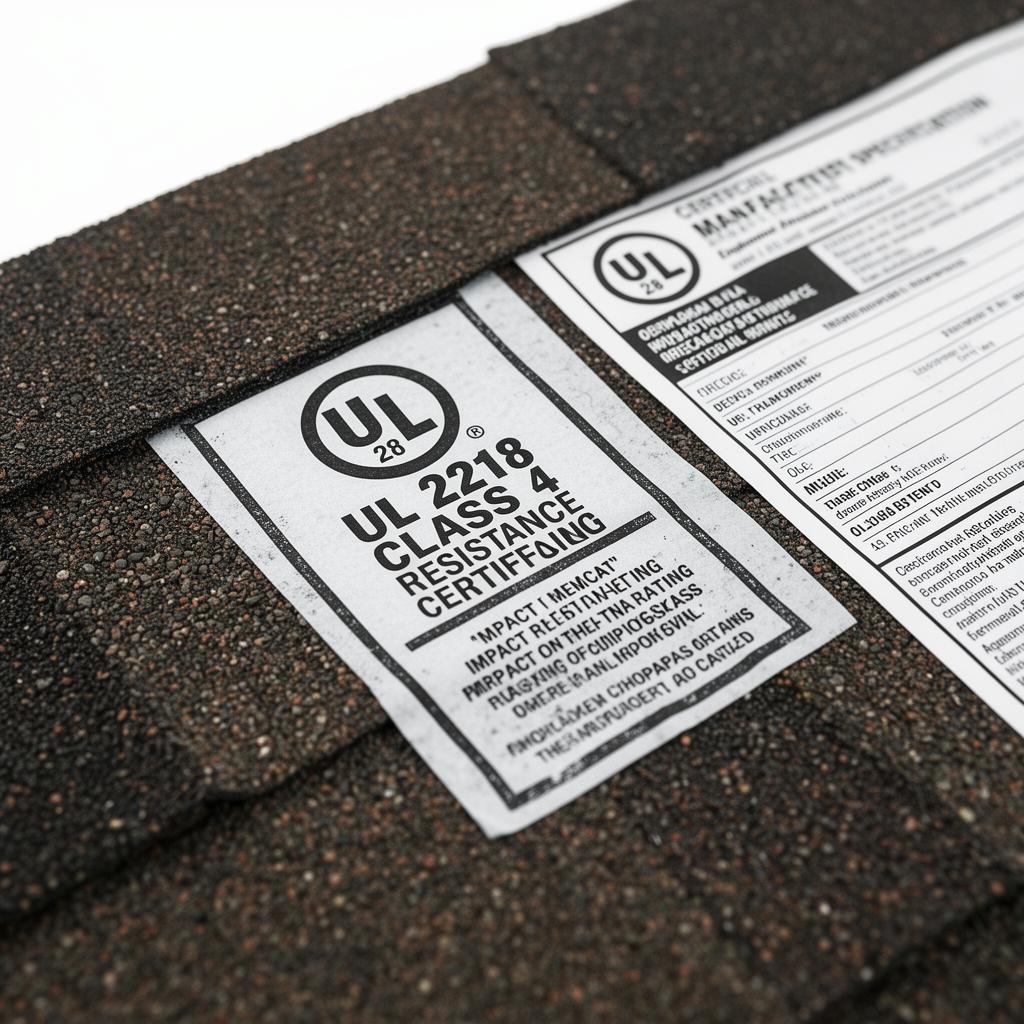
In Oklahoma, we recommend architectural shingles with Class 4 impact ratings. Many insurers offer 15–28% premium discounts for impact-resistant shingles — a real money-saver in our hail-prone climate.
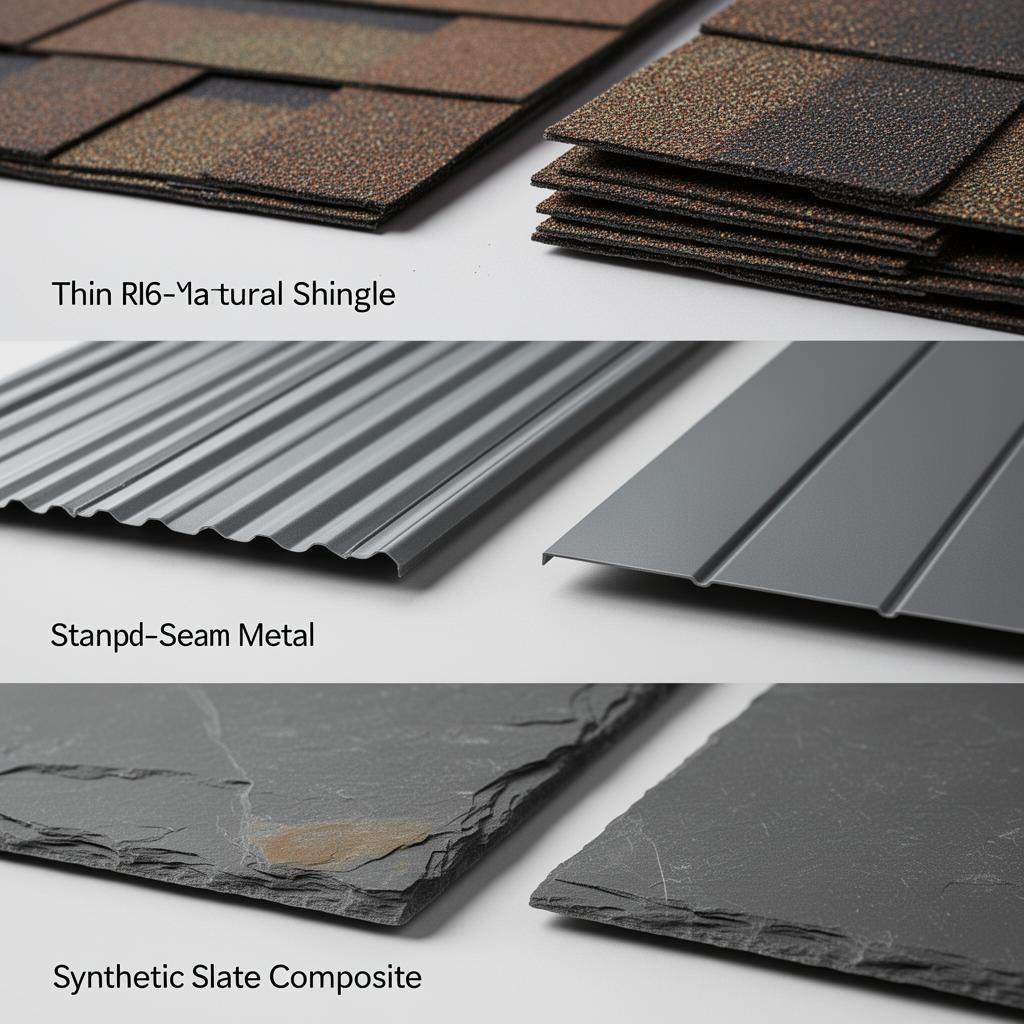
Standing Seam, Stone-Coated Steel & Corrugated Panels
Raised interlocking seams. Premium look, maximum weather protection. Most popular for modern homes.
Metal panels coated with stone granules to mimic traditional shingles or tile. Combines metal durability with classic aesthetics.
Wavy or ribbed panels. Most affordable metal option. Common on farmhouses and agricultural-style homes.
40–70+ years
Excellent
$$–$$$
Excellent (up to 140+ mph wind ratings)
Very Low
Excellent (reflects solar heat, reducing cooling costs 20–40%)
Oklahoma's intense summer heat makes metal roofing especially smart. The reflective surface can reduce attic temperatures by 30–40°F, cutting cooling bills significantly. Standing seam is the premium choice; stone-coated steel is ideal for homeowners who want metal performance with a traditional shingle look.
Clay & Concrete Tiles
Natural clay fired at high temperatures. Classic terracotta look. Extremely durable but heavy.
Molded concrete that can mimic clay, slate, or wood shake. More affordable than clay with similar longevity.
50–100+ years
Excellent
$$$
Good (excellent wind resistance, but tiles can crack from direct hail impact)
Low (individual tiles replaceable)
Excellent (natural thermal mass regulates temperature)
Tile roofing is less common in the OKC metro area but is found in upscale custom homes. If you're considering tile, confirm your home's structure can support the weight (often 2–3x heavier than asphalt).
Natural Stone & Engineered Alternatives
Quarried stone tiles. Unmatched beauty and 100+ year lifespan. Extremely heavy and expensive.
Engineered from rubber, plastic, or polymer composites. Mimics the look of real slate at 25–50% of the weight and cost.
50–100+ years (natural) / 30–50 years (synthetic)
Premium
$$$–$$$$
Good–Excellent
Very Low
Good
For Oklahoma homeowners who love the slate look, synthetic slate is the practical choice. It handles our hail and wind conditions better than natural slate and doesn't require the structural overhaul.
Cedar, Redwood & Treated Wood
Machine-cut for a smooth, uniform appearance. Thinner than shakes.
Hand-split for a rough, rustic texture. Thicker and more weather-resistant than shingles.
20–40 years
Excellent
$$$–$$$$
Moderate
High
Good (natural insulation properties)
Wood roofing is uncommon in Oklahoma due to our humidity, hail risk, and fire codes in many municipalities. If you love the wood look, consider stone-coated metal or designer asphalt shingles that mimic cedar shake.
TPO, EPDM & Modified Bitumen
White reflective membrane. Energy-efficient and increasingly popular. Good for hot climates.
Black synthetic rubber membrane. Proven track record, easy repairs. Most affordable flat roof option.
Asphalt-based rolled roofing with added polymers. Torch-applied or self-adhering. Good puncture resistance.
15–30 years
N/A (not visible on most homes)
$–$$
Good (wind-resistant when properly adhered)
Moderate
Good–Excellent (especially TPO)
In Oklahoma, we see flat roof sections most often on mid-century homes and newer additions. TPO is our top recommendation for its heat reflectivity in our brutal summers. Make sure your flat sections have proper drainage to handle our heavy spring rains.
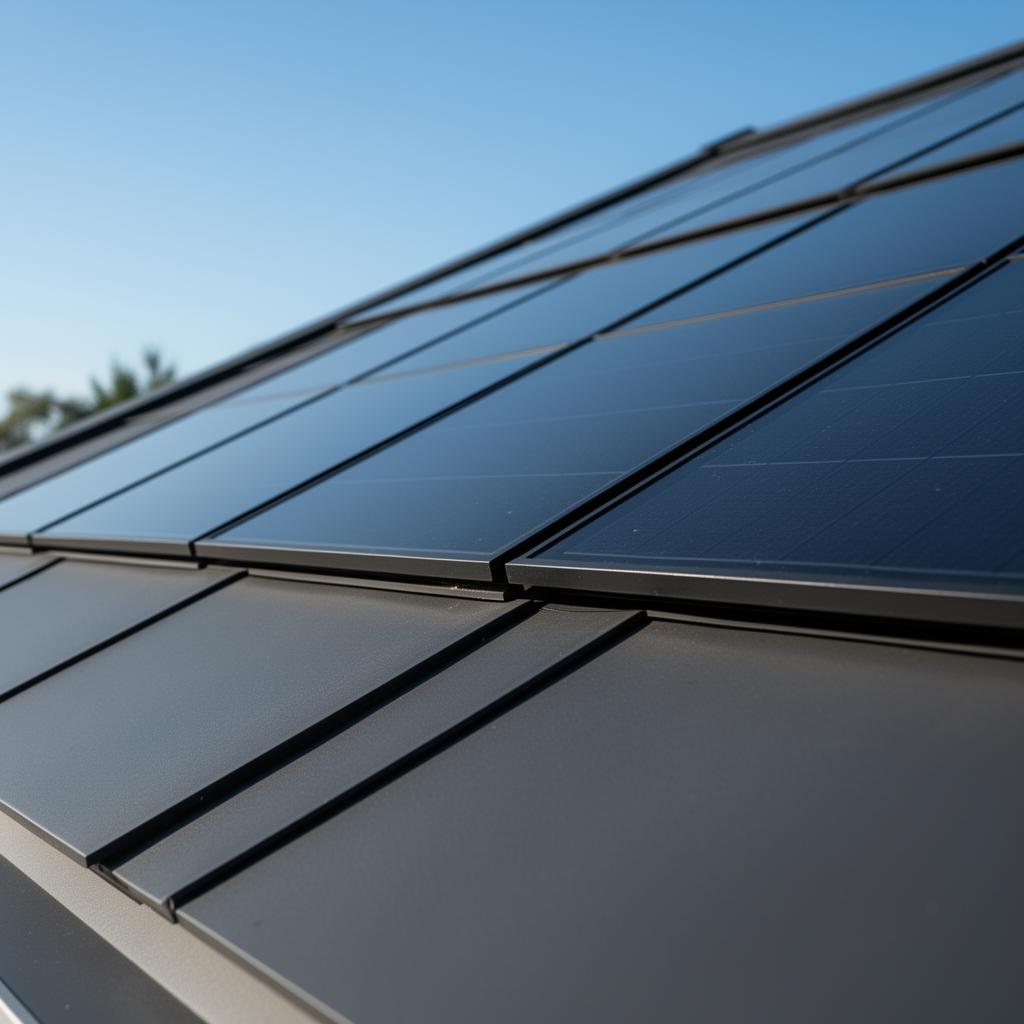
Offset 70–100% of your electric bill with Oklahoma's 230+ sunny days/year
Tempered glass tiles rated for 1.75" hail — built for Oklahoma storms
The ITC covers both the solar tiles and the non-solar portion of the roof
In Oklahoma, roofing isn't just about protection — it's about what you pay every month. The right material can save you thousands in premiums over the life of your roof.
| Roof Material | Typical Premium Discount | Notes |
|---|---|---|
| Class 4 Impact-Rated Shingles | 15–28% | Most Oklahoma insurers offer this. Pays for itself in 3–5 years. |
| Standing Seam Metal Roofing | 10–35% | Varies by carrier. Superior hail and wind performance drives savings. |
| Stone-Coated Steel | 10–25% | Qualifies for impact-resistant discounts with most carriers. |
| New Roof (any code-compliant material) | 5–15% | Simply replacing an aging roof can lower premiums, especially post-claim. |
Pro Tip: After any hail claim, ask your insurance agent about impact-resistant roofing credits before choosing your replacement material. We help Oklahoma homeowners navigate this process every day — learn more about our insurance claims process.
| Material | Lifespan | Cost | Maintenance | Curb Appeal | Storm | Energy |
|---|---|---|---|---|---|---|
| Asphalt (3-Tab) | 15–20 yrs | $ | Low | Fair | Fair | Moderate |
| Asphalt (Architectural) | 25–30 yrs | $–$$ | Low | Good | Good | Moderate |
| Metal (Standing Seam) | 40–70 yrs | $$$ | Very Low | Excellent | Excellent | Excellent |
| Metal (Stone-Coated) | 40–60 yrs | $$–$$$ | Low | Excellent | Excellent | Very Good |
| Clay/Concrete Tile | 50–100 yrs | $$$ | Low | Excellent | Good | Excellent |
| Natural Slate | 75–100+ yrs | $$$$ | Very Low | Premium | Good | Good |
| Synthetic Slate | 30–50 yrs | $$–$$$ | Low | Excellent | Very Good | Good |
| Wood Shake | 20–40 yrs | $$–$$$ | High | Excellent | Moderate | Good |
| Tesla Solar Roof | 25–30+ yrs | $$$$ | Very Low | Premium | Excellent | Generates Power |
| TPO (Flat) | 20–30 yrs | $–$$ | Moderate | N/A | Good | Excellent |
| EPDM (Flat) | 15–25 yrs | $ | Moderate | N/A | Good | Moderate |
Oklahoma's hail, tornadoes, extreme heat, and ice storms demand impact-rated materials. Metal and Class 4 shingles are the strongest performers in our climate.
Planning to stay 20+ years? Metal or tile's higher upfront cost pays off. Selling in 5–10 years? Architectural shingles deliver the best value and curb appeal per dollar.
Check your HOA covenants before choosing. Stone-coated metal and architectural shingles satisfy most HOA requirements while upgrading performance.
Oklahoma summers push cooling bills high. Metal roofing and TPO flat roof membranes reflect solar heat most effectively, reducing attic temperatures 30–40°F.
Send us a photo and we'll tell you what you have and what your options are — free, no obligation. Or compare estimates you've already received.
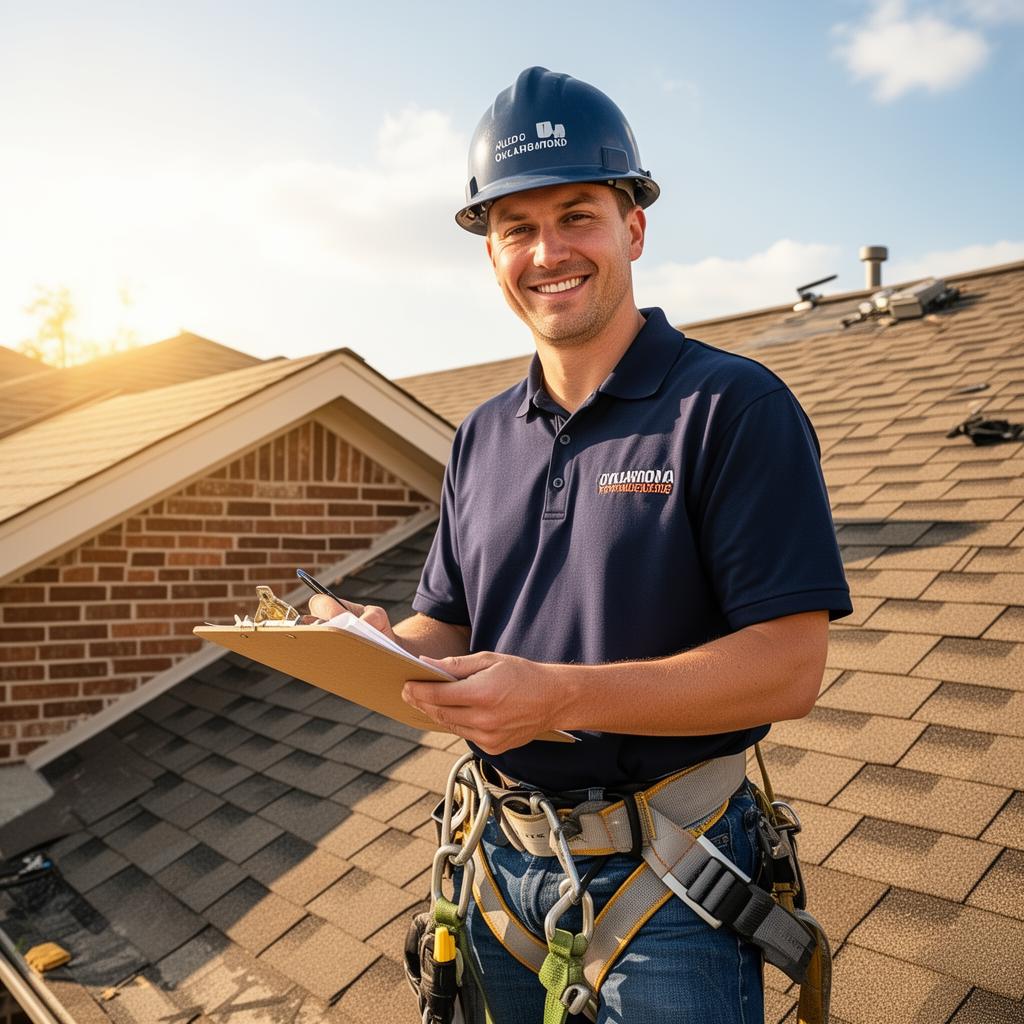
Every home is different. Get a free, no-pressure hail impact assessment from a local expert who'll help you compare materials, costs, and insurance options side by side.