EPDM roofing is a tough, reliable option that’s perfect for flat or low-slope roofs.
Known for its long lifespan and low maintenance, this rubber-based material stands up well to weather and wear.
In this guide, we’ll break down what EPDM roofing is, why it’s so popular, and how it can be a cost-effective solution for your home or business.
What is EPDM roofing?
EPDM (Ethylene Propylene Diene Monomer) roofing is a rubber-based material, commonly used for flat roofs. It’s known for its durability, water resistance, and ease of installation.
Key Takeaways
- EPDM is a durable, flexible, and cost-effective roofing material primarily used for flat or low-slope roofs.
- It is known for its weather resistance, energy efficiency, and low maintenance requirements.
- EPDM roofs are available in both black and white options, with each offering different benefits depending on the climate.
What is EPDM Roofing Made Of?
EPDM roofing is a synthetic rubber material made from ethylene and propylene, which are derived from oil and natural gas.
EPDM roofing is a popular choice for both commercial and residential buildings due to its durability, cost-effectiveness, and ease of installation.
If you’re considering a new roof or replacing your existing one, EPDM (Ethylene Propylene Diene Monomer) roofing could be a smart option.
This type of roofing material is commonly used for flat or low-slope roofs and has several advantages that make it a preferred choice for many property owners.
In this article, we’ll explore what EPDM roofing is, its benefits, and why it could be the right choice for your next roofing project.
The material is known for its flexibility, durability, and resistance to UV radiation, ozone, and extreme weather conditions.
These qualities make it ideal for use in various environmental settings, particularly for flat or low-slope roofs.
Composition of EPDM
EPDM is made from a blend of ethylene and propylene, along with a small amount of diene, which gives the material its flexibility and allows it to expand and contract with temperature fluctuations.
This composition is what makes EPDM an effective option for roofs exposed to the elements.
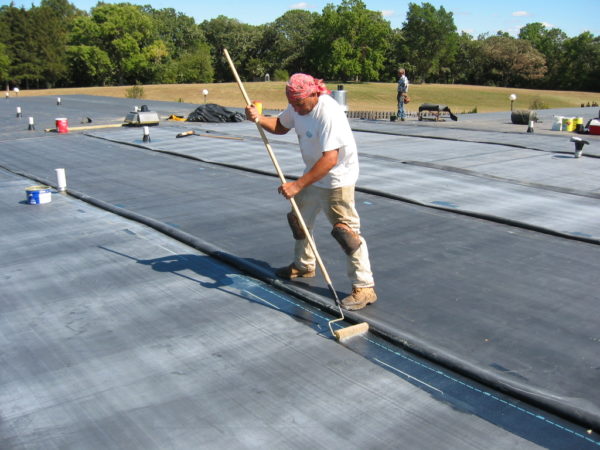
The material comes in large sheets, which are applied to the roof with adhesive or mechanically fastened to the structure. The seams between the sheets are sealed with specialized adhesives or heat welding techniques to create a continuous barrier that prevents leaks.
Benefits of EPDM Roofing
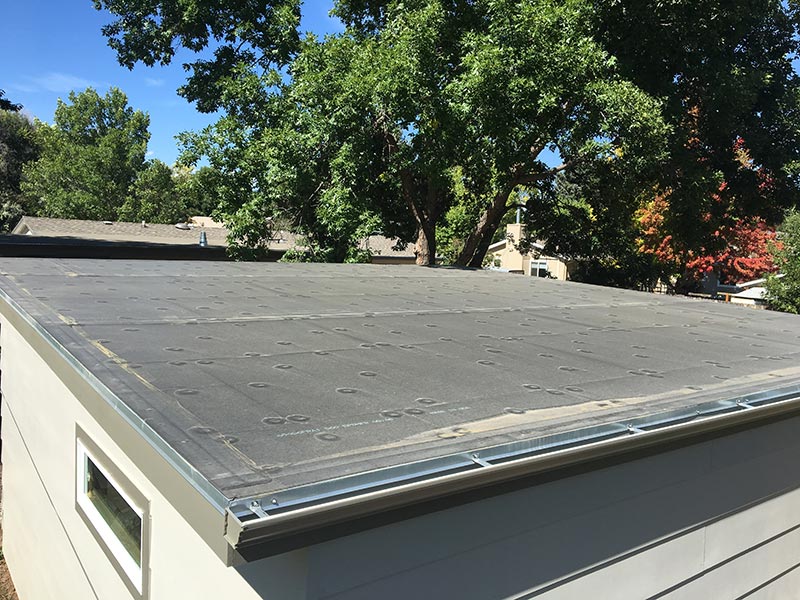
EPDM roofing offers several advantages that make it an attractive option for both residential and commercial properties. Here are some of the key benefits:
Durability and Longevity
EPDM roofs are designed to last for many years, with a lifespan of up to 50 years or more with proper maintenance.
The material is resistant to harsh weather conditions, including rain, snow, and extreme temperatures, making it a reliable choice for regions that experience diverse climates.
Weather Resistance
EPDM is highly resistant to UV rays, ozone, and extreme weather, making it an ideal option for regions with harsh sun exposure or fluctuating temperatures.
This resistance prevents cracking, shrinkage, and degradation over time, which is common with other roofing materials.
Energy Efficiency
EPDM roofing comes in both black and white options. Black EPDM absorbs heat, which can be beneficial in colder climates by helping to warm the building during winter.
On the other hand, white EPDM reflects sunlight and helps keep the building cooler in warmer climates, improving energy efficiency by reducing the need for air conditioning.
Low Maintenance
EPDM roofing requires very little maintenance compared to other roofing materials. It is resistant to moss, algae, and debris, and its smooth surface makes it easy to clean.
Regular inspections and cleaning can help extend the life of your roof and prevent issues such as water pooling or debris accumulation.
Cost-Effective
EPDM roofing is one of the most affordable roofing options available, especially for flat roofs.
Its low installation and material costs make it a budget-friendly choice, particularly for large commercial buildings.
Additionally, its durability and low maintenance requirements can lead to cost savings over the long term.
How EPDM Roofing is Installed
EPDM roofing installation can be done in several ways, depending on the specific needs of the building and the contractor’s preferences. The most common methods of installation are:
For best results, have the work performed by a licensed roofing contractor.
Fully Adhered Installation
In this method, the EPDM membrane is adhered to the roof deck using a special adhesive.
This installation method is commonly used when the roof deck is smooth and provides a secure surface for the membrane. The seams are then sealed to create a continuous barrier.
Mechanically Attached Installation
In a mechanically attached installation, the EPDM membrane is fastened to the roof deck using screws and plates.
This method is suitable for buildings with a more complex roof structure and can help reduce the risk of wind uplift.
Ballasted Installation
In a ballasted installation, the EPDM membrane is held in place by gravel or other heavy materials.
This method is commonly used for large commercial buildings and is ideal for roofs with little or no slope.
EPDM Roofing vs. Other Roofing Materials
When considering EPDM for your roof, it’s important to compare it to other materials to understand the benefits it offers.
Here’s how EPDM stacks up against other popular roofing options:
EPDM vs. TPO Roofing
TPO (Thermoplastic Olefin) roofing is another popular choice for flat roofs.
While TPO is also known for its energy efficiency and heat resistance, EPDM tends to be more durable and resistant to environmental wear.
TPO is typically easier to install but may not last as long as EPDM.
EPDM vs. PVC Roofing
PVC (Polyvinyl Chloride) roofing is another synthetic roofing material that competes with EPDM.
While PVC is known for its resistance to chemicals and fire, EPDM offers better resistance to UV damage and extreme temperatures. PVC is also more expensive than EPDM.
EPDM vs. Asphalt Roofing
Asphalt roofing is a common material for sloped roofs but is less suitable for flat roofs due to its tendency to crack and break down over time.
EPDM, on the other hand, provides better long-term performance, particularly in flat-roof applications.
How Long Does EPDM Roofing Last?
One of the main benefits of EPDM roofing is its longevity. With proper installation and maintenance, EPDM roofs can last 30 to 50 years or even longer.
Regular inspections and maintenance can extend the life of your roof, ensuring that it remains effective in protecting your building.
How to Maintain EPDM Roofing
While EPDM roofing requires minimal maintenance, it’s still important to perform periodic inspections and maintenance to ensure its longevity.
Here are some simple tips for maintaining your EPDM roof:
Inspect Regularly
Check your roof for signs of damage, such as punctures, tears, or loose seams. Inspect the roof at least once a year, especially after severe weather. Working with experts like top roofing norman ok can also help ensure your EPDM installation and repairs are handled correctly.
Clean the Surface
Remove debris, leaves, and dirt from the roof to prevent buildup that can cause water to pool and lead to potential leaks.
Seal Seams
Ensure that the seams of the EPDM membrane are properly sealed to prevent water from infiltrating. Re-sealing seams every few years may be necessary.
Frequently Asked Questions (FAQs)
1. How long does an EPDM roof last?
EPDM roofing can last anywhere from 30 to 50 years with proper maintenance and installation.
2. Is EPDM roofing suitable for residential buildings?
Yes, EPDM roofing is commonly used for residential buildings, particularly for flat roofs or garages.
3. Can EPDM roofing be installed in all climates?
Yes, EPDM roofing performs well in both cold and warm climates due to its resistance to temperature fluctuations and UV rays.
Conclusion
EPDM roofing is a reliable, cost-effective, and durable option for both commercial and residential buildings, especially for flat or low-slope roofs.
It offers excellent resistance to UV rays, weather conditions, and environmental factors, making it a top choice for homeowners and businesses alike.
By understanding the benefits and installation process of EPDM roofing, you can make an informed decision for your roofing needs.
Regular maintenance will ensure that your EPDM roof lasts for decades, providing long-term protection and efficiency.