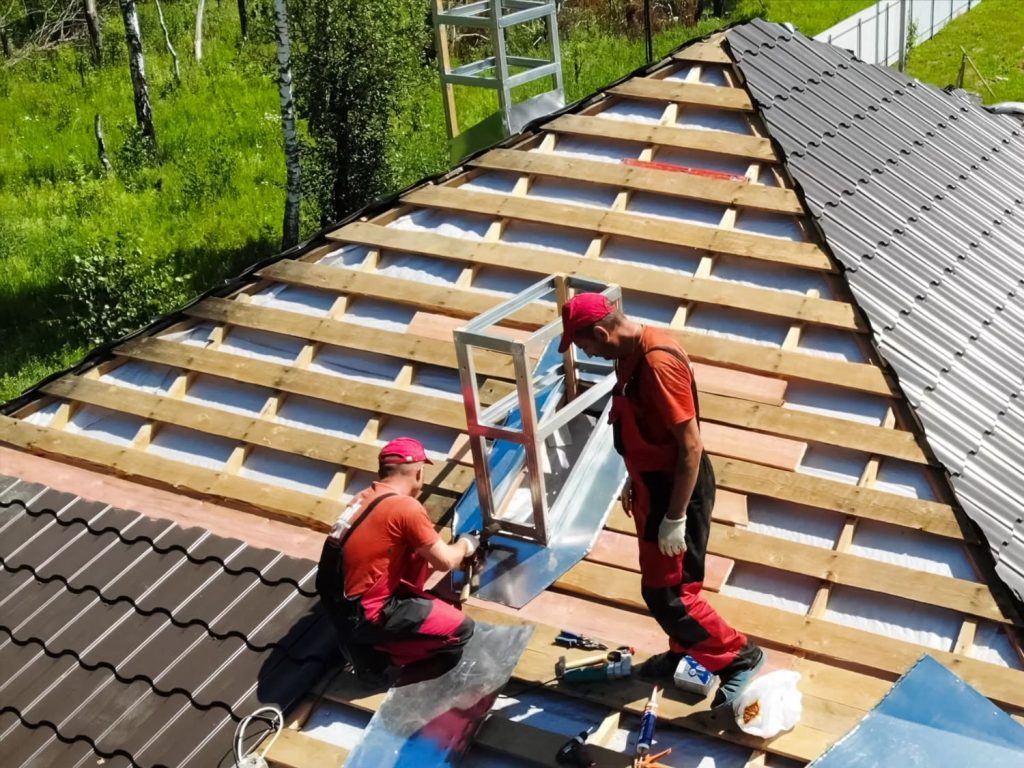
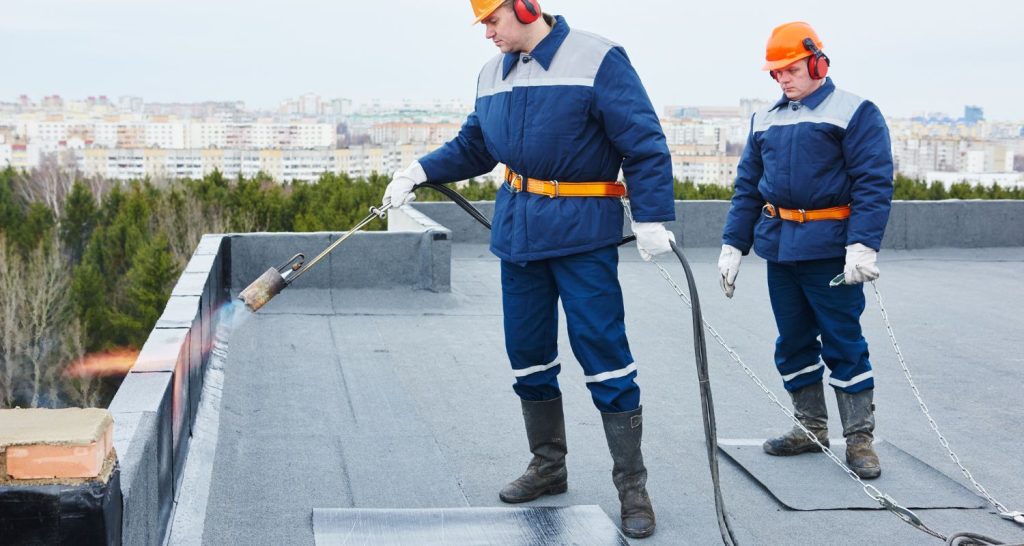
How to install roll roofing is a common question among homeowners looking for a cost effective and practical roofing solution for sheds, garages, low slope roofs, or secondary structures. Rolled roofing is easier to handle than traditional shingles and requires fewer tools, making it appealing for smaller projects. When installed correctly, it can provide reliable protection while keeping roof replacement costs manageable.
Understanding the materials, preparation steps, and installation process helps avoid leaks, premature wear, and unnecessary repairs. This guide explains everything you need to know before starting roll roofing installation.
Understanding Rolled Roofing and Where It Works Best
Rolled roofing is a mineral surfaced roofing material that comes in large rolls instead of individual shingles. It is commonly used on flat or low slope roof structures where standard shingles may not perform well.
Rolled roofing works best for:
- Sheds and storage buildings
- Garages and workshops
- Porches and carports
- Low slope residential roofs
- Temporary or budget focused roofing needs
This type of roll on roofing is lightweight, easy to transport, and quicker to install compared to traditional roof materials.
Types of Roll Roofing Materials
Before installation begins, it is important to understand the type of roll roofing material you are using. Each option has different performance characteristics and installation requirements.
Common options include:
- Composition roll roofing made from asphalt and mineral granules
- Rubber roll roofing designed for improved flexibility and water resistance
- Roll roofing shingles that mimic the look of traditional shingles in roll form
Each roll of roofing is manufactured to cover a specific square footage, so accurate measurements are essential when planning materials and roof estimate costs.
Tools and Materials Needed Before Installation
Preparing the right tools ahead of time helps ensure smooth roll roofing installation. Having everything on hand prevents delays and installation mistakes.
Basic tools and materials include:
- Roofing nails or cap nails
- Roofing cement or adhesive
- Utility knife with extra blades
- Measuring tape and chalk line
- Hammer or nail gun
- Roofing underlayment if required
- Roofing cement trowel
Using quality materials reduces the risk of leaks and extends the lifespan of the roof installation.
Preparing the Roof Structure
Proper preparation of the roof structure is critical before installing rolled roofing. The surface must be clean, dry, and smooth.
Preparation steps include:
- Removing old debris and loose materials
- Repairing damaged or rotted decking
- Securing loose boards or panels
- Ensuring the roof surface is flat and stable
In some cases, rolled roofing can be installed over existing shingles, but this depends on local codes and the condition of the old roof. Severely damaged or uneven surfaces should be removed to avoid future roof repair issues.
Step by Step Roll Roofing Installation Process
Understanding how to install roll roofing correctly helps prevent leaks and uneven coverage. The installation process follows a clear sequence.
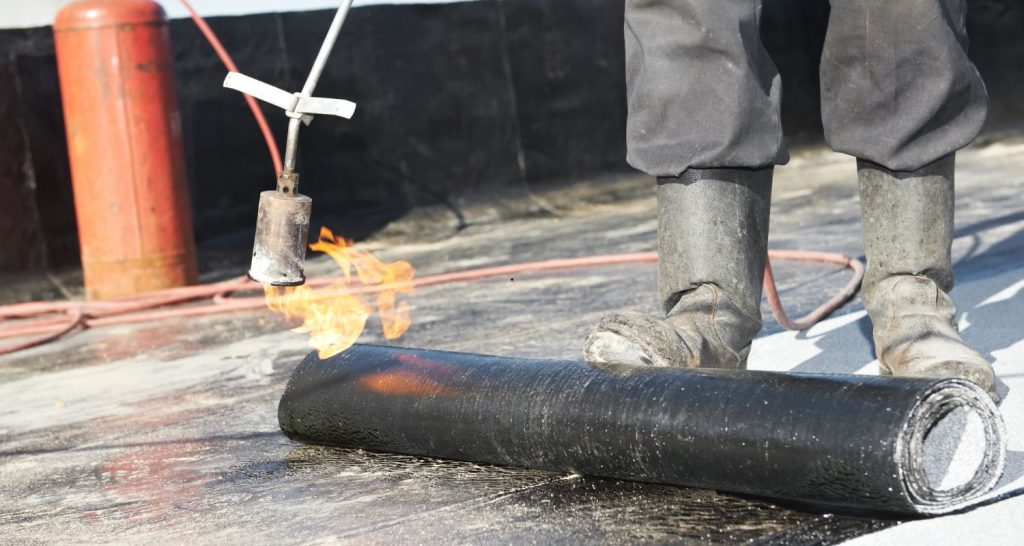
First, roll out the roofing material and allow it to relax in warm weather. This helps reduce wrinkles and improves adhesion.
Next, apply roofing cement along the edges and seams where the roll will overlap. Position the first roll carefully, starting at the lowest edge of the roof and working upward.
Secure the roll using roofing nails spaced evenly along the edges and seams. Each new roll should overlap the previous one according to manufacturer guidelines to ensure proper water shedding.
Seal all seams with roofing cement to prevent moisture penetration. Pay close attention to edges, corners, and roof penetrations where leaks are most likely to occur.
Sealing Seams and Edges Properly
Sealing is one of the most important steps in roll roofing installation. Inadequate seam sealing is one of the most frequent reasons gutters develop leaks.
Effective sealing tips include:
- Applying roofing cement generously under overlaps
- Pressing seams firmly to ensure adhesion
- Sealing nail heads with roofing cement
- Reinforcing edges and flashing areas
Taking extra time during this step significantly improves durability and reduces future roof repair needs.
Roll Roofing Cost and Budget Considerations
Roll roofing cost is one of its biggest advantages. It is generally more affordable than traditional roof materials, making it popular for budget conscious projects.
Factors that influence roll roofing cost include:
- Roof size and slope
- Type of roll roofing material
- Labor if hiring a roofing crew
- Preparation and repair needs
While roll roofing has a lower upfront cost, it also has a shorter lifespan compared to full roof replacement options. Understanding this tradeoff helps homeowners make informed decisions.
How Long Roll Roofing Lasts and How to Extend Its Life
Roll roofing typically lasts between 5 and 10 years depending on material quality, installation, and maintenance. Proper care can help extend its lifespan.
Ways to extend longevity include:
- Inspecting seams annually
- Resealing edges as needed
- Clearing debris regularly
- Addressing small issues early
Routine maintenance helps prevent premature deterioration and reduces long term repair costs.
When to Choose Roll Roofing vs Other Roofing Options
Roll roofing is not ideal for every structure. It works best for low slope roofs and secondary buildings.
For homes requiring long term durability, exploring other options such as bitumen roofing may offer better performance. If your main home needs a long-term roofing solution, choosing professional roof replacement services is often the better option.
Homeowners considering full replacement options can also explore Replace Roof Yukon services for long term roofing solutions.
DIY Installation vs Hiring a Roofing Crew
Some homeowners choose to install roll roofing themselves due to its simplicity. Doing the installation yourself can reduce labor expenses when it is done properly.
However, hiring a professional roofing crew ensures proper installation, code compliance, and reduced risk of future issues. Professionals also provide accurate roof estimates and warranties on workmanship.
If you are unsure whether roll roofing is right for your project, reaching out through the Contact Us page allows you to get expert guidance from OKC Roofers.
Understanding how to install roll roofing helps homeowners decide whether this solution fits their needs and budget. With proper preparation, careful installation, and ongoing maintenance, rolled roofing can be a practical and cost effective roofing option.
FAQs
1. What tools and materials do I need to install roll roofing properly?
You need roofing nails, roofing cement, a utility knife, measuring tape, and basic safety equipment.
2. Can roll roofing be installed over existing shingles, or should the old roof be removed?
It can sometimes be installed over existing shingles if the surface is smooth and in good condition, but damaged roofs should be removed.
3. What is the step by step process for installing roll roofing on a flat or low slope roof?
Prepare the surface, roll out the material, apply adhesive, secure with nails, and seal all seams and edges.
4. How do you seal seams and edges when installing roll roofing to prevent leaks?
Use roofing cement under overlaps, seal nail heads, and reinforce edges thoroughly.
5. How long does roll roofing last after installation, and how can I extend its lifespan?
Roll roofing usually lasts 5 to 10 years. Regular inspections and resealing help extend its life.