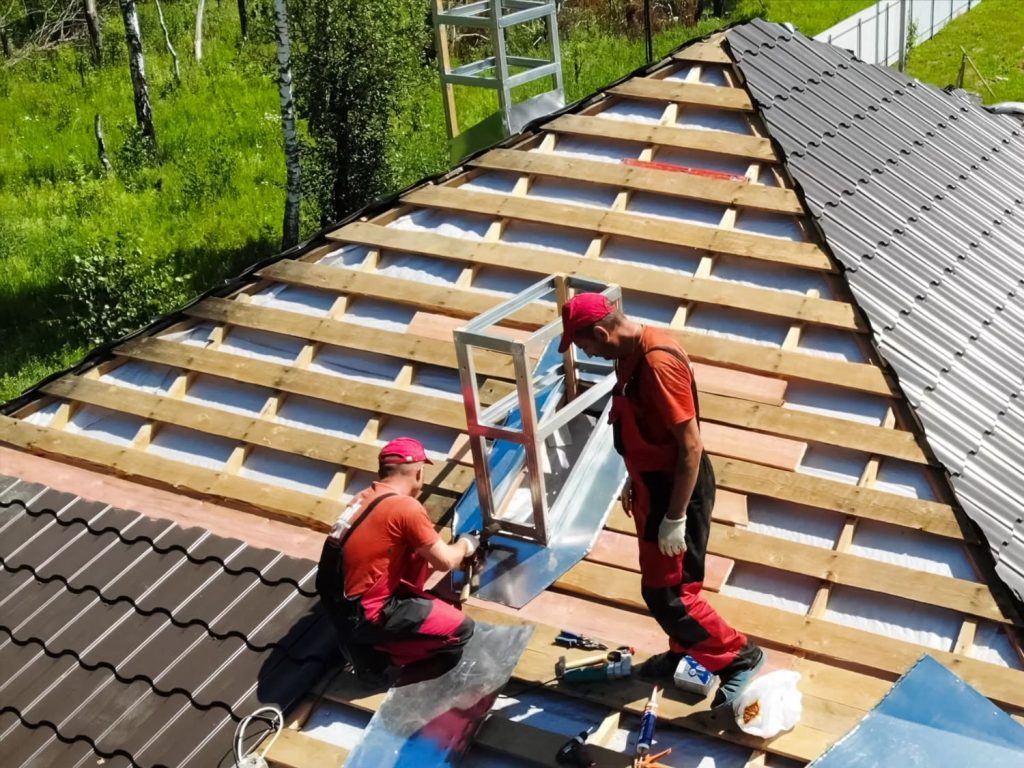
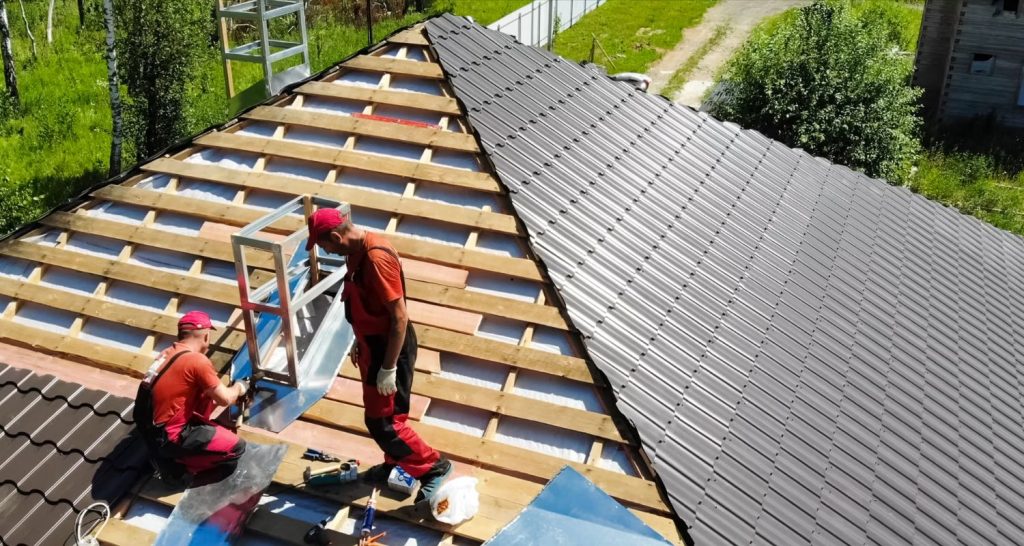
What insurance should a roofing contractor have is a critical question for homeowners planning roof repairs or full roof replacement. Roofing is one of the highest risk construction trades, involving heavy materials, elevated work areas, and complex roof structures. When proper roofing contractor insurance is not in place, homeowners may face serious financial and legal consequences if something goes wrong.
Understanding the types of roofing insurance a contractor should carry helps homeowners protect their property, avoid liability, and choose a trustworthy professional for roof installation or repair work. This is especially important for homeowners asking can i finance a roof replacement, as lenders often require proof of proper contractor insurance.
Why Roofing Contractor Insurance Matters
Roofing projects involve risks that go beyond simple property damage. Accidents, material failures, and unexpected structural issues can lead to expensive claims if insurance coverage is inadequate.
Proper roofing insurance protects:
- Homeowners from liability if someone is injured on the property
- Contractors and roofing crews from medical and legal expenses
- Property owners from damage caused during roof repair or installation
- Both parties from costly disputes and delays
Working with a licensed roofing contractor who carries proper coverage is one of the most important steps in protecting your investment.
General Liability Insurance for Roofing Contractors
General liability insurance is one of the most important forms of roofing contractor insurance. This coverage protects against third party claims related to property damage and bodily injury.
General liability insurance typically covers:
- Damage affecting your home or roof materials during the course of the project.
- Accidental damage to nearby structures
- Harm to individuals who are not employees, such as homeowners or guests.
General liability insurance is essential for both residential roofing contractor services and commercial projects. Homeowners should always request proof of coverage before signing a contract.
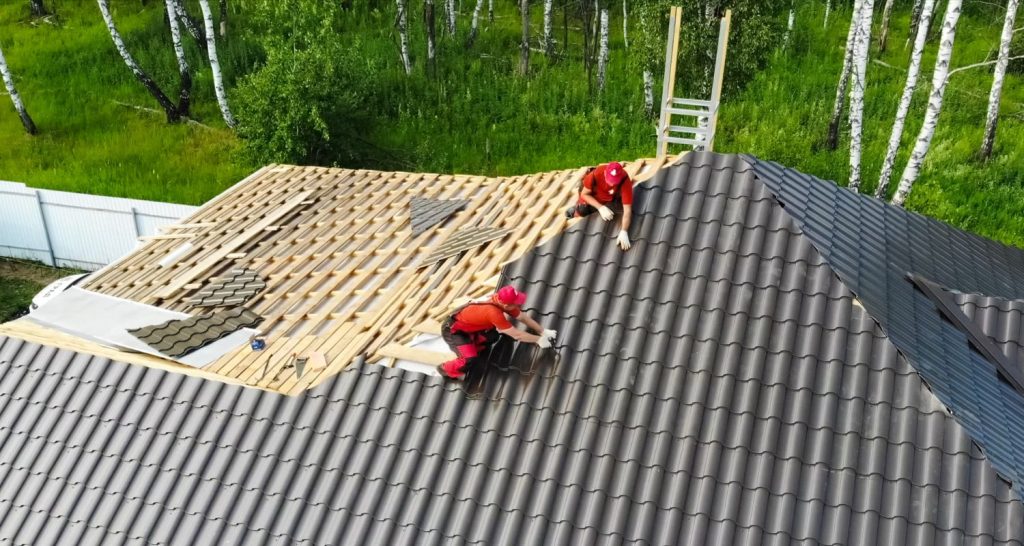
Workers’ Compensation Insurance and Why It Is Required
Roofing crews work in hazardous conditions that increase the risk of injury. Workers’ compensation insurance protects both the contractor and the homeowner if a worker is injured on the job.
Workers’ compensation coverage includes:
- Medical expenses for injured workers
- Lost wages during recovery
- Protection for homeowners from being held responsible
Without this coverage, homeowners could be held liable for injuries that occur on their property. That is the reason certified roofing contractors and trusted roofing repair professionals maintain workers’ compensation coverage.
Commercial Roofing Contractor Insurance for Larger Projects
For projects that are larger or more complex, commercial roofing contractor insurance becomes critical. Commercial roofs often involve heavier materials, larger roofing crews, and extended project timelines.
Commercial insurance policies may include:
- Higher liability limits
- Coverage for large scale roof installation projects
- Protection for commercial roof repair work
Whether hiring a contractor for a business property or a residential home, proper coverage ensures the project proceeds without unnecessary risk.
Commercial Auto Insurance for Roofing Vehicles
Roofing contractors often use company vehicles to transport tools, roof materials, and equipment. Commercial auto insurance covers accidents involving these work vehicles.
Commercial auto insurance protects against:
- Vehicle accidents during work related travel
- Property damage caused by contractor vehicles
- Injuries to drivers or third parties
Homeowners may not think about vehicle related risks, but accidents involving contractor vehicles can still result in claims without proper coverage.
Roofing Contractor Insurance Cost Considerations
Roofing contractor insurance cost varies based on business size, services offered, and risk exposure. While insurance increases operating expenses for contractors, it is a necessary investment for safety and professionalism.
Factors that influence insurance cost include:
- Type of roofing services offered
- Number of employees and roofing crew size
- Annual revenue and project volume
- Residential versus commercial focus
Contractors who cut corners on insurance may offer lower prices, but this can expose homeowners to serious financial risks.
How Insurance Protects Homeowners During Roof Projects
Insurance coverage plays a direct role in protecting homeowners throughout roof installation and repair projects, particularly during the roof insurance claim process when damage, injuries, or delays must be resolved efficiently.
Proper insurance helps ensure:
- Damage to roof structure or interior is covered
- Injuries on site do not become homeowner liability
- Project delays due to claims are handled professionally
- Peace of mind during roof repair or roof replacement
For related coverage concerns, homeowners may also want to review home insurance gutter repair information to understand how insurance applies to exterior home components.
Insurance and Licensing Go Hand in Hand
Insurance alone is not enough. Homeowners should look for licensed roofing contractors who meet local and state requirements. Licensing demonstrates that the contractor meets professional standards and carries appropriate coverage.
The best roofing contractor will provide:
- Proof of licensing
- Certificates of insurance
- Clear documentation upon request
Local roofing contractors who are transparent about credentials are more likely to deliver reliable service.
How to Verify Roofing Contractor Insurance
Homeowners should never rely on verbal claims about insurance coverage. Verification is a simple but important step.
Steps to verify coverage include:
- Requesting a certificate of insurance
- Confirming coverage limits and expiration dates
- Verifying the contractor name matches the policy
- Contacting the insurance provider if needed
This process ensures the roofing contractor insurance is active and valid before work begins.
Red Flags When Insurance Coverage Is Missing
Lack of proper insurance is a warning sign that homeowners should not ignore.
Common red flags include:
- Refusal to provide insurance documentation
- Expired or incomplete coverage
- Claims that insurance is unnecessary
- Pressure to sign contracts quickly
Choosing a contractor without proper insurance increases the risk of costly disputes and unsafe work practices.
Choosing a Roofing Contractor With Confidence
Selecting a roofing contractor requires more than simply looking at price. Insurance coverage, licensing, and experience all contribute to project success.
When hiring a roofing repair contractor or planning a full replacement, homeowners should prioritize:
- Verified roofing insurance
- Trained and insured roofing crews
- Transparent roof estimates
- Clear communication throughout the project
Homeowners planning larger projects can explore options like Replace roof Midwest City ok to connect with experienced, properly insured professionals.
Final Thoughts on Roofing Contractor Insurance
Understanding what insurance a roofing contractor has helped homeowners avoid unnecessary risks and protect their property. Roofing insurance safeguards against accidents, damage, and liability while ensuring projects stay on track.
Whether you need roof repair, roof installation, or full replacement, choosing an insured and licensed professional is essential. If you have questions about contractor insurance or want to work with a trusted local roofing contractor, reach out through the Contact Us page or connect directly with OKC Roofers for expert guidance.
FAQs
1. What types of insurance should a roofing contractor legally have to operate?
Most roofing contractors should carry general liability insurance and workers’ compensation insurance to operate legally and safely.
2. Is general liability insurance mandatory for roofing contractors?
Yes. General liability insurance is essential to cover property damage and third party injuries.
3. Why do roofing contractors need workers’ compensation insurance?
It protects workers if injured and prevents homeowners from being held financially responsible.
4. Should a roofing contractor carry commercial auto insurance for work vehicles?
Yes. Commercial auto insurance covers accidents involving work vehicles and transported materials.
5. How can homeowners verify that a roofing contractor has proper insurance coverage?
Homeowners should request a certificate of insurance and confirm coverage details before work begins.