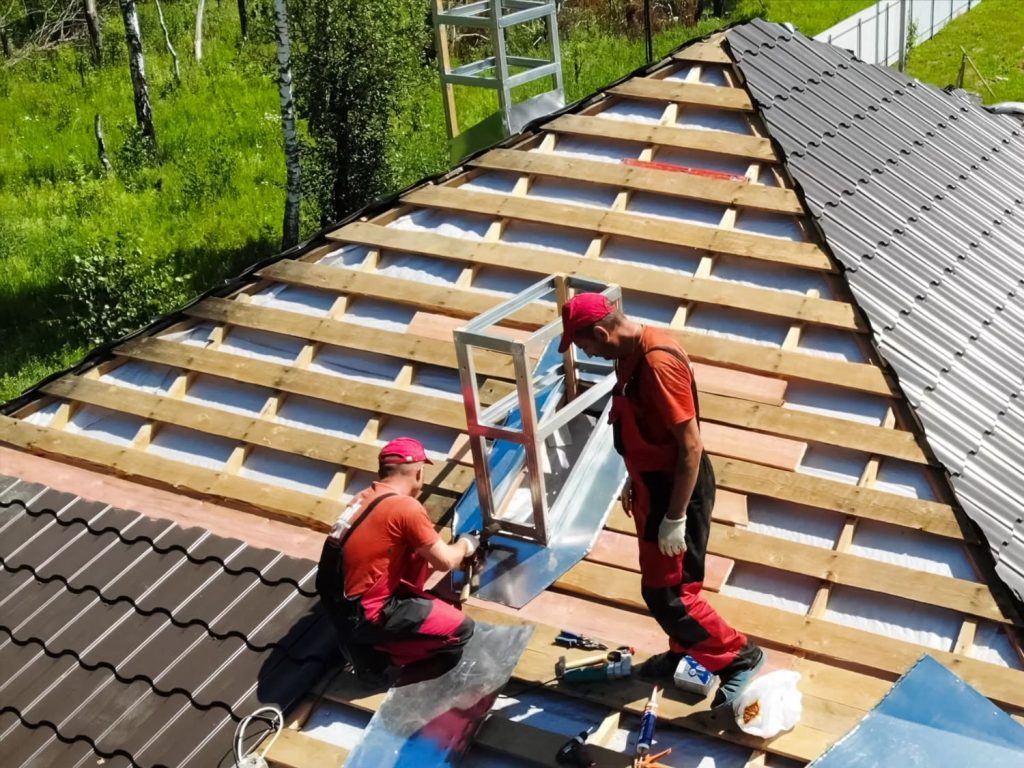

If you are facing an unexpected leak or a failing shingle system, you might be wondering, can you finance a roof replacement to avoid a massive upfront hit to your savings? A new roof is one of the most significant investments you will make in your property. While the average homeowner might not have five figures sitting in a liquid savings account, the good news is that there are several paths to securing a safe, dry home without the financial stress.
In this guide, we will break down the various paths to securing a roof loan, the typical timeline for approval, and how to identify the best roof replacement financing options for your specific budget. Whether you are dealing with an emergency or planning a proactive upgrade, understanding your options is the first step toward a successful roof installation.
Understanding Your Options for Roof Financing
When homeowners discuss roof financing, they are essentially looking for a way to break a large capital expense into manageable monthly installments. This makes sense in several scenarios, such as when you face unexpected storm damage, need to manage cash flow, or have to cover insurance gaps. Financing ensures that you don’t have to settle for a subpar roof repair when a full replacement is the only long-term solution.
There are several common vehicles used to fund these projects:
- Personal Roof Loans: These are usually unsecured, meaning they don’t require your home as collateral. They offer fast funding but higher APRs.
- Home Improvement Loans for Roofing: These can be personal loans specifically branded for renovations or secured loans with longer terms.
- HELOC or Home Equity Loans: These utilize your home’s equity. They often provide the lowest interest rates but take longer to process and carry the risk of using your home as collateral.
- Credit Cards: Some offer 0% introductory APR promos, which are great for short-term payoffs, but standard rates can be very high.
The basics of these loans involve checking the APR ranges, repayment terms, and potential prepayment penalties. Most lenders also look at your credit score and funding speed requirements. While a lower credit score might lead to higher fees, roofing financing available today is more diverse than ever.
Managing the Timeline for New Roof Financing
Securing new roof financing is a process that runs parallel to your roof timeline. You shouldn’t wait until the roofing crew arrives to figure out the math. Ideally, you want your funding secured during the estimate and approval phase to ensure there are no delays in scheduling your roof installation.
It is vital to align your loan terms with the expected lifespan of your roof. For example, if you are installing high-quality shingles that last 30 years, a 5-to-10-year loan term is very manageable. You must also decide between fixed rates (predictable payments) and variable rates (which may start lower but can rise).
When applying, ensure you have your documentation ready. Most lenders require:
- Proof of income (pay stubs or tax returns).
- Government-issued ID.
- A formal estimate from a professional contractor.
- Relevant insurance claim details, if applicable.
Why choose roofing companies that finance?
Many homeowners find that roofing companies that finance offer the most streamlined experience. Instead of visiting a traditional bank, you can often apply for a roof loan directly through the contractor’s third-party lending partners. This is often faster and specifically tailored to the home improvement industry, offering perks like “same-as-cash” or deferred interest plans.
When looking at contractor-provided roof payment plans, be sure to verify the following:
- Lender Partner: Who is actually servicing the loan?
- Credit Pull: Do they perform a soft pull for pre-qualification to protect your score?
- Transparency: Are the total costs and interest clear from the start?
- Warranty: Ensure your manufacturer warranties are fully protected regardless of your payment status.
Searching for “roof financing near me” will often lead you to local experts like OKC Roofers, who understand Oklahoma’s specific weather challenges and can help you navigate both insurance claims and supplemental financing.
Comparing costs of roof replacement financing
The goal of roof replacement financing is to provide peace of mind while protecting your home’s equity. While a total replacement has a higher upfront cost, it often saves money compared to repetitive roof repair stopgaps. By financing, you can opt for higher-quality materials that lower your energy bills and insurance premiums.
To illustrate the monthly impact, consider your total loan amount. Spreading the cost over 60 months can make a premium roof cost roughly the same as a monthly utility bill. To improve your approval odds, focus on reducing your debt-to-income (DTI) ratio or consider a larger down payment to reduce the lender’s risk.
Always coordinate with your contractor to see if a claim for storm damage can cover your deductible. In many cases, financing is the perfect bridge to cover that deductible or to upgrade your shingles beyond what the insurance company’s “like-for-like” policy pays for.
FAQs
1. What financing options are available for roof replacement?
Common options include unsecured personal loans, Home Equity Lines of Credit (HELOC), and specialized contractor financing programs. Some homeowners also utilize cash-out refinances for larger renovations.
2. Can I use a home improvement loan to replace my roof?
Yes. Most home improvement loans are flexible and can be used for any major exterior renovation, including a full tear-off and replacement. These are often preferred because they may offer longer repayment terms.
3. Do roofing contractors offer financing or payment plans?
Many professional companies, like the team at OKC Roofers, partner with specialized lenders to offer roofing financing available directly to customers. These often include low-interest installment plans.
4. How does a credit score affect roof replacement financing?
Your credit score is the primary factor in determining your APR. A higher score typically unlocks lower interest rates. However, there are many programs designed for various credit tiers.
5. Are government programs or grants available for roof repair financing?
Yes, programs like the FHA Title I Property Improvement Loan allow homeowners to finance repairs even with little equity in the home. Some local energy-efficiency grants may also apply.
Conclusion
Choosing the right way to pay for your home’s protection doesn’t have to be overwhelming. By comparing personal loans, equity-based options, and contractor-led programs, you can find a plan that fits your budget and protects your asset. Whether you are working with a Newcastle, OK, roofing company or looking for help right here in the heart of the city, the key is to prioritize transparency and quality. At OKC Roofers, we believe every homeowner deserves a safe roof. We provide clear, itemized estimates and can help you explore the best financing options to get your project moving. Don’t let a leak turn into a structural disaster while you wait for “the right time.” Contact us today to schedule your free inspection and learn more about how you can finance a roof replacement.
Read Similar: How to Get Insurance to Pay for Roof Replacement?