Skip to content

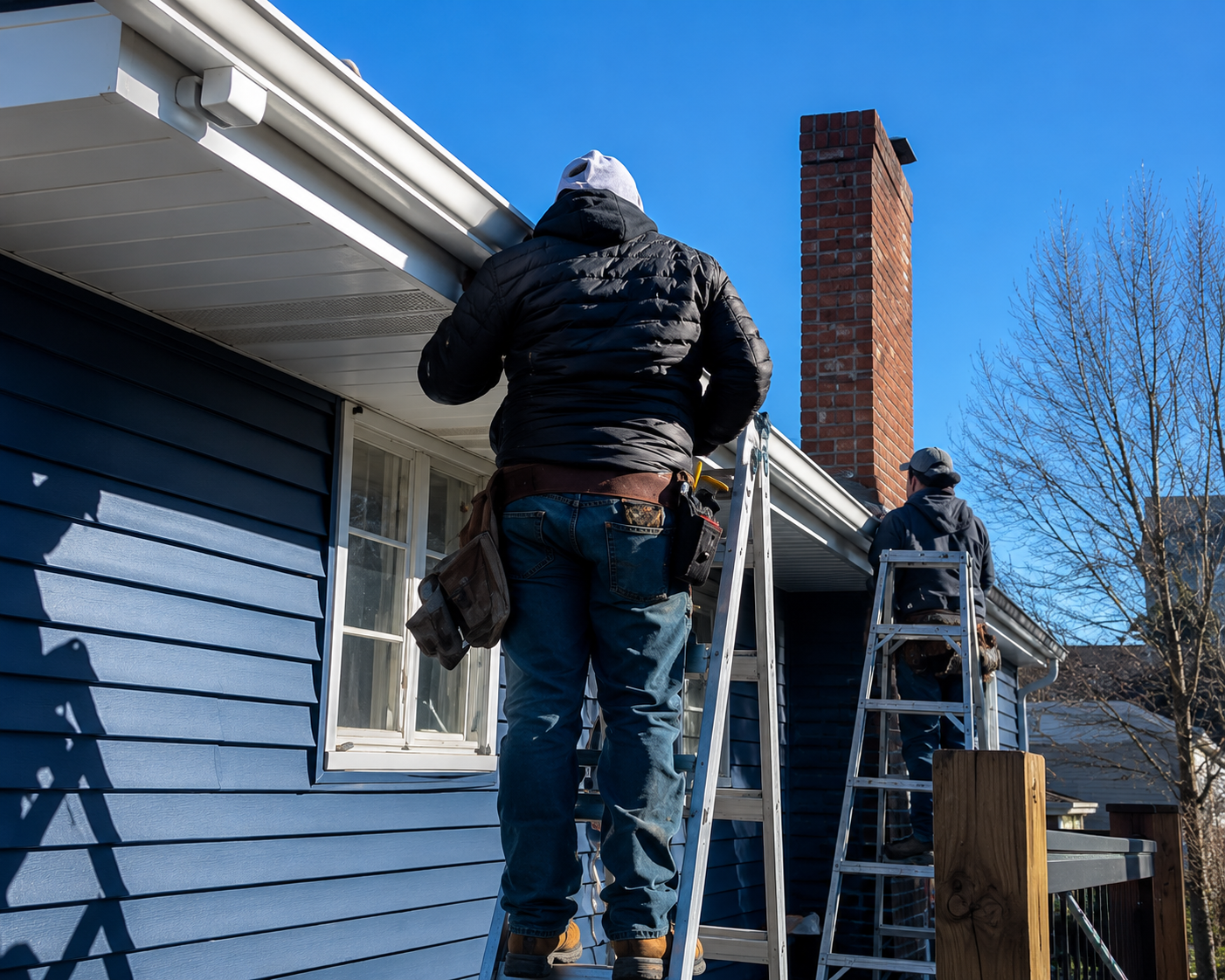
Installing gutters yourself? It’s a smart way to protect your home from water damage—and you can do it with the right tools and know-how.
This step-by-step guide walks you through everything from choosing materials to mounting gutters properly, so your home stays dry and damage-free. It also helps homeowners understand types of gutter guards comparison options when planning long-term gutter maintenance and protection. Proper gutter system maintenance also helps extend the lifespan and performance of your gutters.
How to install gutters on a house?
To install gutters, measure and cut the gutters to fit your roofline. Secure brackets, attach the gutters, and ensure they slope towards downspouts for proper water flow. Use sealant where needed.
Key Takeaways
- Proper gutter installation is essential for preventing water damage to your home.
- The right materials and tools are crucial for a successful gutter installation.
- Regular maintenance and cleaning of your gutters will help ensure they function properly over time.
Why Are Gutters Important?
Before diving into the installation process, it’s important to understand why gutters are necessary.
Gutters collect rainwater from the roof and direct it away from the house, preventing potential water damage.
Without gutters, rainwater can pour down the sides of the house, causing issues like:
- Water seeped into the foundation, leading to cracks and structural damage.
- Soil erosion around the house, which can cause landscaping problems.
- Dampness and mold growth in the basement or crawl spaces.
- Damage to exterior paint and siding from consistent exposure to water.
Installing gutters is an effective way to safeguard your home and reduce the risk of water-related issues, especially during a roof replacement with gutters project.
Choosing the Right Gutter System
There are several types of gutters to choose from, each with its own advantages. Before installing, you’ll need to decide which type of gutter best fits your needs.
K-Style Gutters
K-style gutters are the most common in residential homes. They are named for their shape, which resembles the letter “K” when viewed from the side.
K-style gutters have a larger capacity and can handle more water than traditional half-round gutters.
Advantages: Durable, holds more water, and can be installed with a wide variety of downspout styles.
Disadvantages: Can be more difficult to clean due to their shape.
Half-Round Gutters
Half-round gutters are typically seen on older homes and have a rounded shape. They are easy to install and clean, but they have a smaller capacity than K-style gutters.
Advantages: Simple design, easy to clean, and aesthetically appealing for vintage homes.
Disadvantages: Smaller capacity means they may not be suitable for homes in areas with heavy rainfall.
Fascia Gutters
Fascia gutters are mounted directly to the fascia board of your roof, making them ideal for homes that already have a well-maintained fascia.
They can be a great option if you want to keep the gutter system as hidden as possible.
Advantages: Sleek appearance, no need for additional mounting brackets.
Disadvantages: Installation can be tricky if the fascia board isn’t in good condition.
Tools and Materials You’ll Need
Before starting the installation, ensure you have the right tools and materials. Having everything prepared will make the process go smoothly.
Tools:
- Ladder (preferably extension ladder)
- Tape measure
- Level
- Hacksaw or circular saw
- Drill and screwdriver
- Chalk line or marking tool
- Gutter brackets or hangers
- Safety gloves and glasses
Materials:
- Gutters (choose the material, length, and type)
- Downspouts
- Gutter sealant
- Gutter end caps
- Elbow fittings (for corners)
- Screws or rivets
- Gutter guards (optional)
Step-by-Step Guide to Installing Gutters
Now that you have your materials and tools, it’s time to start the installation. Follow these steps to ensure a proper gutter setup.
Step 1: Measure the Roof Line
Start by measuring the length of the roofline where you plan to install the gutters. Use a tape measure to get an accurate measurement.
It’s important to measure each section of the roof, especially if you have multiple slopes or changes in direction.
Tip: If you have a complex roofline, consider using a chalk line to mark where the gutters will be installed to ensure they are straight.
Step 2: Mark the Gutter Slope
Gutters need a slight slope (around 1/4 inch per 10 feet) to direct the water towards the downspouts.
Use a level to mark the slope along the roofline. Start at the highest point of the roof and mark where the downspout will be located.
Then, work your way along the roof, making sure the gutters slope gently toward the downspout.
Tip: If you have a long roofline, you may need multiple downspouts to ensure proper drainage.
Step 3: Cut the Gutters to Size
Once you have your measurements and slope in place, it’s time to cut the gutters to size. Use a hacksaw or circular saw to trim the gutters to the appropriate length.
If you’re working with K-style gutters, make sure the cuts are straight and clean to ensure the gutters fit together well.
Step 4: Install the Gutter Hangers
Gutter hangers or brackets are used to support the weight of the gutters. Space them about 24 inches apart along the roofline.
Attach the hangers to the fascia, ensuring that they follow the slope you marked earlier.
Tip: If you’re installing gutters on a roof with a steep pitch, you may need to use additional support brackets to ensure the gutters remain secure.
Frequently Asked Questions
1. How often should I clean my gutters?
It’s recommended to clean your gutters at least twice a year, especially in the spring and fall. If you live in an area with many trees, you may need to clean them more frequently.
2. Can I install gutters on my own, or should I hire a professional?
If you have experience with DIY home improvement projects, you can likely install gutters yourself. However, if you’re unsure or have a complex roofline, it may be worth hiring a professional to ensure proper installation.
3. What happens if my gutters are installed incorrectly?
Improperly installed gutters can lead to water damage, foundation issues, and mold growth. It’s important to ensure the gutters are level, properly aligned, and securely attached to prevent leaks and other issues.
Conclusion
Installing gutters on your home is a vital step in protecting your property from water damage.
Whether you’re installing gutters yourself or hiring a professional, understanding the process and choosing the right materials can make a big difference. Understanding maintenance expectations, including professional gutter cleaning duration, can also help homeowners better prepare for long-term gutter care and upkeep.
By following this guide and maintaining your gutters regularly, you can ensure that your home remains protected and that your new gutters will last for years to come.