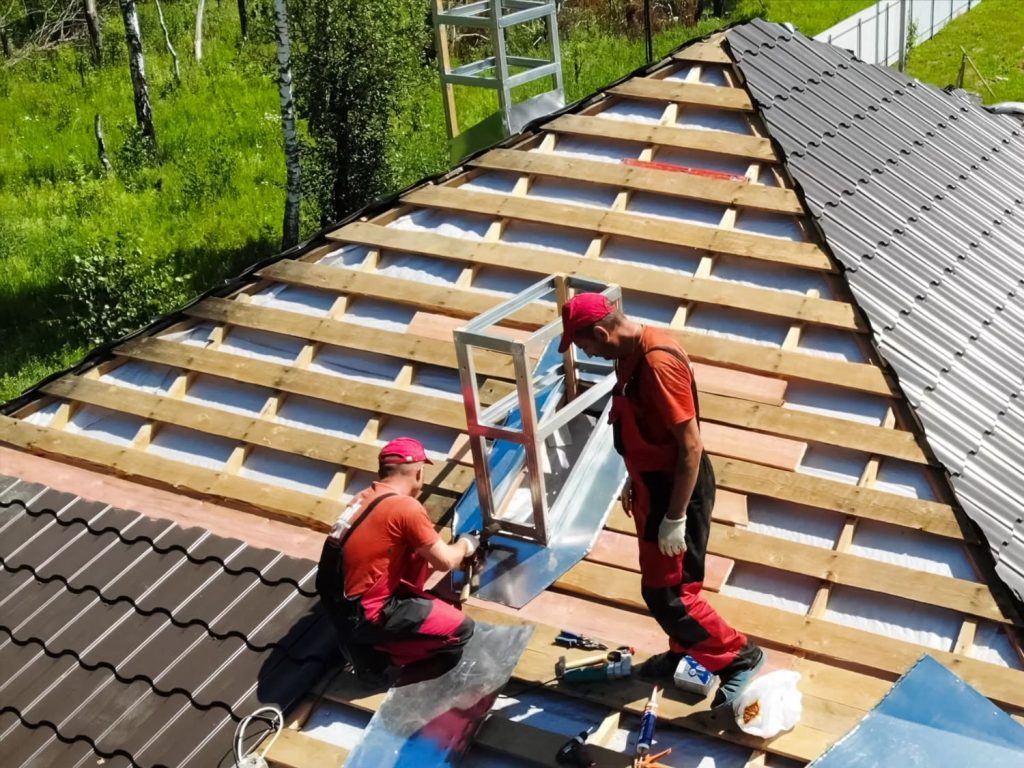

Many homeowners planning a major roofing project wonder is roof replacement tax deductible. A new roof can be a major investment, so understanding how tax rules apply helps you save money and make smarter financial decisions. While most roof replacements are considered home improvements rather than deductible expenses, there are specific situations where tax deductions or credits may apply. Knowing these rules helps you plan ahead and avoid costly mistakes during tax season.
Roofing replacement cost norman ok is an important consideration when budgeting for your project.
Roof replacement tax deduction
Roof replacement tax deductions depend on the purpose of the replacement and the type of property. For most homeowners, a new roof is treated as a home improvement, which means it increases the value of your property but does not qualify as a direct deduction for the current tax year.
When roof replacements may qualify:
- If the property is used for business
- If the roof is part of qualified improvement property
- If energy saving roofing materials are installed
- If the replacement relates to storm or hail damage and impacts insurance claims
While you may not deduct the cost immediately, roof improvements can still reduce taxable gains when selling your home.
Is home roof replacement tax deductible
For primary residences, roof replacement typically does not qualify for standard tax deductions. However, it can still offer long term financial benefits through capital improvements, which reduce taxable profit when selling a home.
Key details for homeowners:
- Primary residence roof upgrades are not deductible
- Costs can be added to the home’s cost basis
- Reduced capital gains tax during home sale
- Energy efficient roof materials may qualify for tax credits
Understanding this distinction helps avoid incorrect tax filings.
Rental property roof replacement tax deduction
Rental and investment properties follow different tax rules. Roof replacement expenses for rental properties may qualify as a deductible business expense or depreciation.
When rental property owners can deduct roof costs:
- Roof replacement is treated as an improvement under depreciation
- Costs may be deducted gradually over 27.5 years
- Repairs may be deductible in the year they are completed
- Qualified improvement property rules may apply
These rules offer more flexibility for landlords looking to optimize tax savings.
Tax deduction for roof replacement
Although roof replacement does not typically qualify for an immediate tax deduction, certain types of roofs may fall under energy-related programs.
Possible deduction or credit scenarios:
- Installing qualified energy efficient roofing materials
- Upgrading to reflective or solar integrated roofs
- Meeting federal energy efficiency criteria
- Participating in local or state energy credit programs
Checking current IRS guidelines ensures compliance with changing rules.

Commercial roof replacement tax deduction
Commercial properties may benefit from more generous tax rules, especially under Section 179 and bonus depreciation categories. Businesses often deduct roof improvements faster than homeowners.
Why commercial roofs may qualify:
- Roofs are considered qualified improvement property
- Businesses may deduct roof upgrades in the same tax year
- Energy saving roofs may offer additional incentives
- Large scale roofing projects reduce long term tax burdens
These deductions help businesses reduce operational expenses over time.
Qualified improvement property
Under current tax laws, certain roof replacements qualify as improvements for non-residential buildings. These may be eligible for accelerated depreciation rules.
Criteria for qualification:
- The property must be non residential
- Improvements must be interior or structural
- Roof replacements may qualify depending on IRS updates
- Businesses must document all installation details
Understanding these rules ensures compliance during tax filing.
New roof installation and storm damage
Many homeowners replace roofs due to storm or hail damage. Although the replacement cost itself may not be deductible, storm damage expenses sometimes qualify under casualty loss rules.
When storm damage may apply:
- Damage not covered by insurance
- Significant loss exceeding federal thresholds
- Documented weather related damage
- Repair or replacement needed for safety
Tax rules vary, so homeowners should keep detailed records and insurance reports.
Need Help Planning Your Roof Replacement?
If you’re preparing for a new roofing project, understanding your options helps you make the best decision for your home and budget. VisitOKC Roofers to learn more about high quality roof replacement service moore ok & more.
Have Questions About Roof Estimates or Materials?
Whether you need repairs, replacement, or upgrades like composite roofing materials, a professional team can guide you through the process. Contact us for expert support and estimates.
Conclusion
Understanding whether a roof replacement is tax deductible can be confusing, but knowing the rules helps you prepare financially. While most homeowners cannot deduct a new roof as a direct expense, rental properties, commercial buildings, and energy efficient roofing upgrades may qualify for tax benefits. Additionally, roof improvements can reduce taxable gains when selling your home. With the right information and proper documentation, you can make smarter choices about your next roofing project. For expert roofing guidance, reach out to OKC Roofers today.
FAQs
1. Is roof replacement tax deductible for homeowners?
Not directly, but costs can increase your home’s cost basis.
2. Can I claim a roof replacement as a home improvement tax deduction?
Home improvements are not deducted yearly but lower capital gains during a sale.
3. Is roof replacement tax deductible if it is due to storm or hail damage?
Only if losses are not covered by insurance and meet IRS casualty loss criteria.
4. Is a roof replacement tax deductible when selling my home?
Yes, it can reduce taxable capital gains by increasing your cost basis.
5. Are roof replacement costs tax deductible for rental or investment properties?
Yes, through depreciation or business expense rules.
Read Similar Article – How to Get Insurance to Cover Roof Replacement?, Roof Repair Vs Roof Replacement?