
What is membrane roofing, and why has it become the gold standard for modern flat and low-slope structures? If you own a commercial property or a contemporary home with a flat roof, you have likely encountered this term. At its core, a roofing membrane is a specialized, watertight covering designed to protect a building’s interior by creating a continuous, leak-proof barrier. Unlike traditional shingles that overlap, a membrane roof consists of large sheets or panels fused together to eliminate the seams where water often penetrates.
For property owners in Oklahoma, choosing the right material is vital to combatting our intense sun and unpredictable storms. Whether you are looking for residential roofing in Moore, OK, or upgrading a commercial warehouse, understanding these systems is the first step toward a long-lasting roof.
What Is Membrane Roofing, and How Does It Work?
The primary goal of any flat roof membrane is to move water off the surface or prevent it from seeping into the decking during “ponding” events. Traditional roofing materials like asphalt shingles fail on flat surfaces because they rely on gravity and a steep pitch to shed water. In contrast, a waterproof membrane for roof applications is engineered to be impermeable, even when water sits on it for short periods.
These systems are typically categorized by their chemical makeup, usually synthetic rubber, thermoplastics, or modified bitumens. By utilizing a roof membrane material that can expand and contract with temperature changes, buildings stay protected year-round.
Popular Types of Membrane Roofing Systems
When selecting a system, you will encounter several industry-leading options. Each has unique benefits depending on your budget and the building’s specific needs.
TPO (Thermoplastic Polyolefin)
The TPO membrane is currently one of the most popular choices for commercial builds. It is a single-ply reflective roofing heat-welded at the seams. This creates a physical bond that is often stronger than the membrane itself.
EPDM (Ethylene Propylene Diene Terpolymer)
Often referred to as a rubber membrane roof, EPDM is a durable synthetic rubber. It is highly resistant to weathering and UV radiation. An EPDM roofing membrane is typically black, which helps absorb heat during the winter, though it can also be coated to improve reflectivity.
PVC (Polyvinyl Chloride)
A PVC membrane roof is known for its incredible durability and resistance to chemicals, grease, and fire. Much like TPO, PVC membrane sheets are heat-welded, making them a premium choice for restaurants or industrial facilities.
Built-Up Roofing (BUR) and Modified Bitumen
For those looking for time-tested durability, a built-up roofing membrane (often called “tar and gravel”) uses multiple layers of bitumen and fabric. Similarly, a modified bitumen membrane evolves this tech by adding plastic or rubber modifiers to asphalt for increased flexibility and strength.
The Benefits of Installing a Membrane Roof
Why are so many Midwest City roofing contractors recommending these systems over traditional methods?
- Seamless Protection: The ability to fuse or chemically bond seams makes these roofs nearly impenetrable to leaks.
- Energy Efficiency: Many membranes, particularly TPO, are “cool roofs” that reflect UV rays, significantly lowering cooling costs.
- Weight: Membrane materials are lightweight, reducing the structural stress on your building compared to heavy gravel or tile.
- Flexibility: As the building settles or temperatures shift, the membrane stretches rather than cracking.
Professional Installation Matters
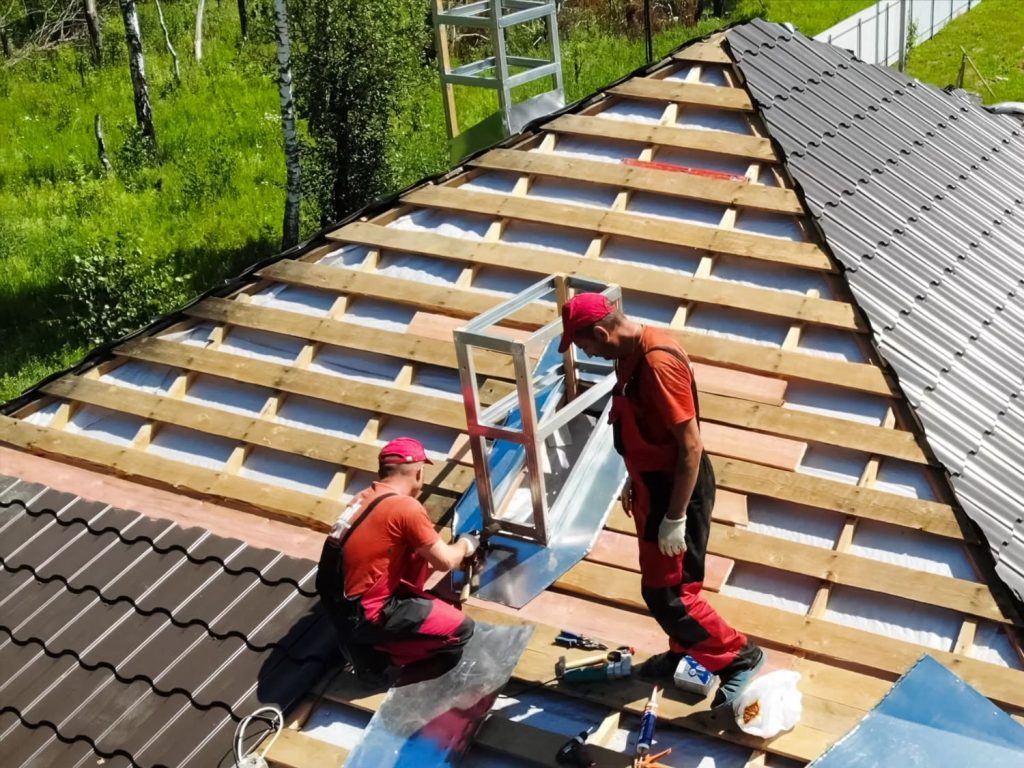
Installing a membrane roof is a technical process that requires precision. From preparing the substrate to ensuring the heat-welding is performed at the correct temperature, every detail counts. Improper installation can lead to “bridging” or seam failure, which negates the benefits of the material. This is why working with a reputable team like OKC Roofers is essential for a successful project.
Frequently Asked Questions (FAQs)
1. What types of membrane roofing are available for flat roofs?
The most common types include TPO (thermoplastic polyolefin), EPDM (synthetic rubber), PVC (polyvinyl chloride), and modified bitumen. Each offers different levels of chemical resistance, UV reflection, and installation methods.
2. How durable is membrane roofing compared to shingles?
On flat or low-slope surfaces, membrane roofing is significantly more durable than shingles. Shingles are not designed for standing water and will leak almost immediately on a flat surface, whereas a membrane is specifically engineered to be 100% waterproof under those conditions.
3. Is membrane roofing energy-efficient for commercial buildings?
Yes, particularly light-colored membranes like white TPO or PVC. These “cool roof” options reflect a high percentage of solar radiation, keeping the building cooler and reducing the load on HVAC systems.
4. How long does a membrane roof typically last?
Most modern membrane systems last between 20 and 30 years. EPDM and PVC are known for their longevity, often reaching the 30-year mark with proper installation and minimal maintenance.
5. What maintenance is required for membrane roofing systems?
Maintenance involves clearing debris (leaves, branches) that can trap water, inspecting seams for any signs of separation, and ensuring that drainage points/scuppers are not clogged. Annual inspections are highly recommended.
Protect Your Investment with OKC Roofers
Choosing the right protection for your property starts with understanding what membrane roofing is and how it fits your specific architectural needs. From the high-performance TPO membrane to the rugged reliability of EPDM, these systems provide the ultimate defense against the elements.
If you are ready to upgrade your property or need a professional inspection, our team is here to help. Whether you need a local expert or are looking for specialized Midwest City roofing contractors, we have the experience to get the job done right. Contact us today at OKC Roofers to schedule your consultation and ensure your flat roof stays watertight for decades to come. When it comes to your home or business, never settle for less than the best now that you know what membrane roofing is.
Read Similar: What Is the Cheapest Roofing Material?