What is modified bitumen roofing is a common question among property owners looking for a durable and reliable flat roofing option. This roofing system has been widely used on commercial buildings and is becoming more popular for residential applications with low slope roof structures. Modified bitumen roofing is designed to handle temperature changes, resist water intrusion, and provide long term protection when installed correctly.
Understanding how a modified bitumen roof works, its components, and when it makes sense to choose this system helps homeowners and business owners make informed roofing decisions.
Understanding the Modified Bitumen Roof System
A modified bitumen roof is an asphalt based roofing system that has been enhanced with polymers to improve flexibility, strength, and weather resistance. It evolved from traditional built up roof details and offers better performance with fewer layers.
The modified bitumen roof system is made by combining asphalt with reinforcing materials such as fiberglass or polyester. These materials create a membrane that resists cracking, splitting, and water damage.
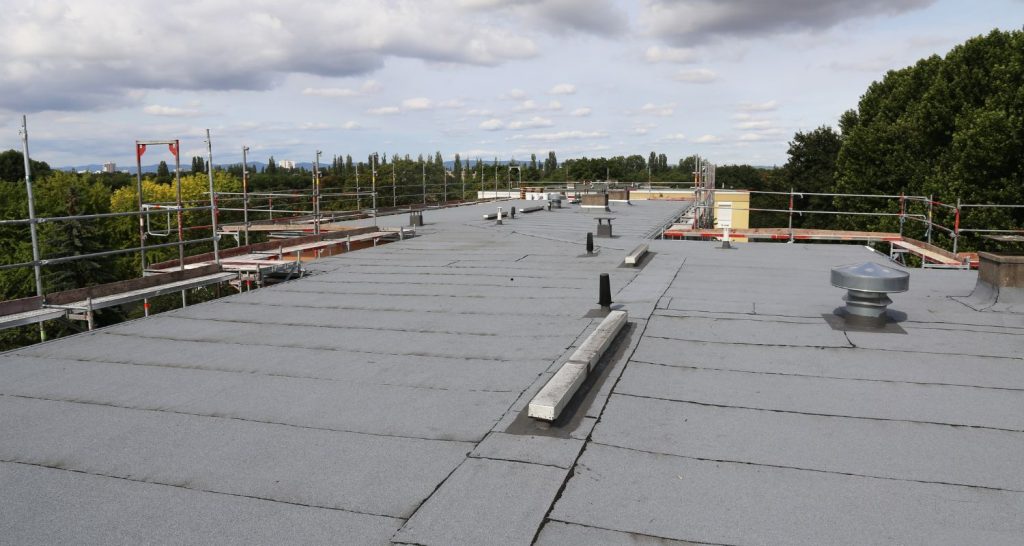
This type of mod bit roofing is commonly used on flat or low slope roofs where water drainage can be challenging.
How Modified Bitumen Roofing Works
Modified bitumen roofing works by creating a continuous waterproof membrane across the roof surface. The system is designed to shed water while remaining flexible during temperature fluctuations.
Key characteristics of how it works include:
- A multi layer membrane that improves durability
- Strong resistance to water penetration
- Enhanced flexibility in hot and cold weather
- Reliable performance on flat roof structures
Once installed, the membrane acts as a protective barrier that shields the roof structure from moisture and environmental stress.
Types of Modified Bitumen Roofing Systems
There are several types of modified bitumen roofing systems, each offering different installation methods and performance benefits.
Common types include:
- Torch applied systems that heat the membrane for bonding
- Cold applied systems rely on adhesive bonding rather than using an open flame.
- Self adhered systems with peel and stick backing
Each option has specific advantages depending on the building type, roof design, and safety requirements. A roofing crew can recommend the best system after evaluating your roof materials and layout.
Modified Bitumen Roofing Installation Process
Modified bitumen roofing installation follows a structured process to ensure proper bonding and long term performance. Preparation is critical before installation begins.
Typical installation steps include:
- Inspecting and preparing the roof structure
- Installing insulation and base sheets if needed
- Applying the modified bitumen membrane
- Sealing seams and edges to prevent leaks
Proper roof installation ensures the membrane remains secure and performs effectively for years. Installation quality plays a major role in the lifespan of a mod bit roof.
Benefits of Modified Bitumen Roofing
Modified bitumen roofing offers several advantages over other flat roofing options. These benefits make it a popular choice for both residential and commercial buildings.
Key benefits include:
- Excellent waterproofing performance
- Strong resistance to punctures and tears
- Flexibility in extreme temperatures
- Compatibility with flat and low slope roofs
- Easier repairs compared to some single ply systems
This roofing system also provides good traction, making maintenance and inspections safer.
Modified Bitumen Roof Repair and Maintenance
Like any roofing system, modified bitumen roofs require maintenance to perform at their best. Modified bitumen roof repair is often straightforward when issues are addressed early.
Common repair needs include:
- Sealing seams that have loosened over time
- Repairing punctures from debris or foot traffic
- Addressing flashing or edge damage
Routine inspections help identify small problems before they become major leaks. Professional bitumen roof repair services ensure repairs are done correctly without compromising the membrane.
For larger properties or businesses, learning more about commercial roof repair options can help maintain flat roofing systems effectively.
How Long Modified Bitumen Roofing Lasts
Modified bitumen roofing typically lasts between 20 and 30 years when installed and maintained properly. Lifespan depends on installation quality, weather exposure, and maintenance frequency.
Factors that affect longevity include:
- Quality of roof materials
- Roof installation technique
- Foot traffic and roof usage
- Regular inspections and repairs
With proper care, a mod bit roof can provide dependable performance comparable to other premium flat roofing systems.
Modified Bitumen Roofing vs Other Flat Roofing Options
Compared to other flat roofing options, modified bitumen offers a balance of durability and repairability. Unlike some single ply systems, damaged sections can often be repaired without replacing large areas.
Compared to traditional built up roof systems, modified bitumen requires fewer layers and offers improved flexibility. This makes it a practical solution for many flat roof applications.
Residential and Commercial Applications
Modified bitumen roofing works well for both residential and commercial properties. It is commonly used on:
- Commercial buildings and warehouses
- Apartment complexes
- Residential homes with flat roofs
- Low slope additions and extensions
For homeowners considering full replacement, services like Replace roof Del City ok provide guidance on whether modified bitumen roofing is the right solution.
Cost Considerations and Roof Estimates
Modified bitumen roofing cost varies based on roof size, installation method, and labor. While it may cost more upfront than basic roofing materials, it often provides better long term value due to durability and repair options.
A professional roof estimate outlines material costs, labor, and expected project timeline. This helps property owners budget accurately and avoid unexpected expenses.
Choosing the Right Roofing Crew
Working with an experienced roofing crew is essential for successful modified bitumen roofing installation. Skilled professionals understand membrane handling, seam sealing, and safety requirements.
The best roofing teams provide:
- Accurate roof estimates
- Clear explanations of system options
- Proper installation and repair techniques
- Ongoing support for maintenance and repairs
If you have questions about your roof or need professional advice, reaching out through the Contact Us page allows you to speak directly with OKC Roofers.
Understanding what is modified bitumen roofing helps property owners choose a durable and reliable flat roofing solution that fits their needs and budget.
FAQs
1. What is modified bitumen roofing and how does it work?
It is an asphalt based roofing system enhanced with polymers that creates a waterproof membrane for flat or low slope roofs.
2. What are the main types of modified bitumen roofing systems?
Common types include torch applied, cold applied, and self adhered systems.
3. How long does modified bitumen roofing typically last?
With proper installation and maintenance, it can last 20 to 30 years.
4. What are the benefits of modified bitumen roofing compared to other flat roofing options?
It offers strong waterproofing, flexibility, easy repairs, and long term durability.
5. Is modified bitumen roofing a good choice for residential and commercial buildings?
Yes. It works well for both residential and commercial properties with flat or low slope roofs.