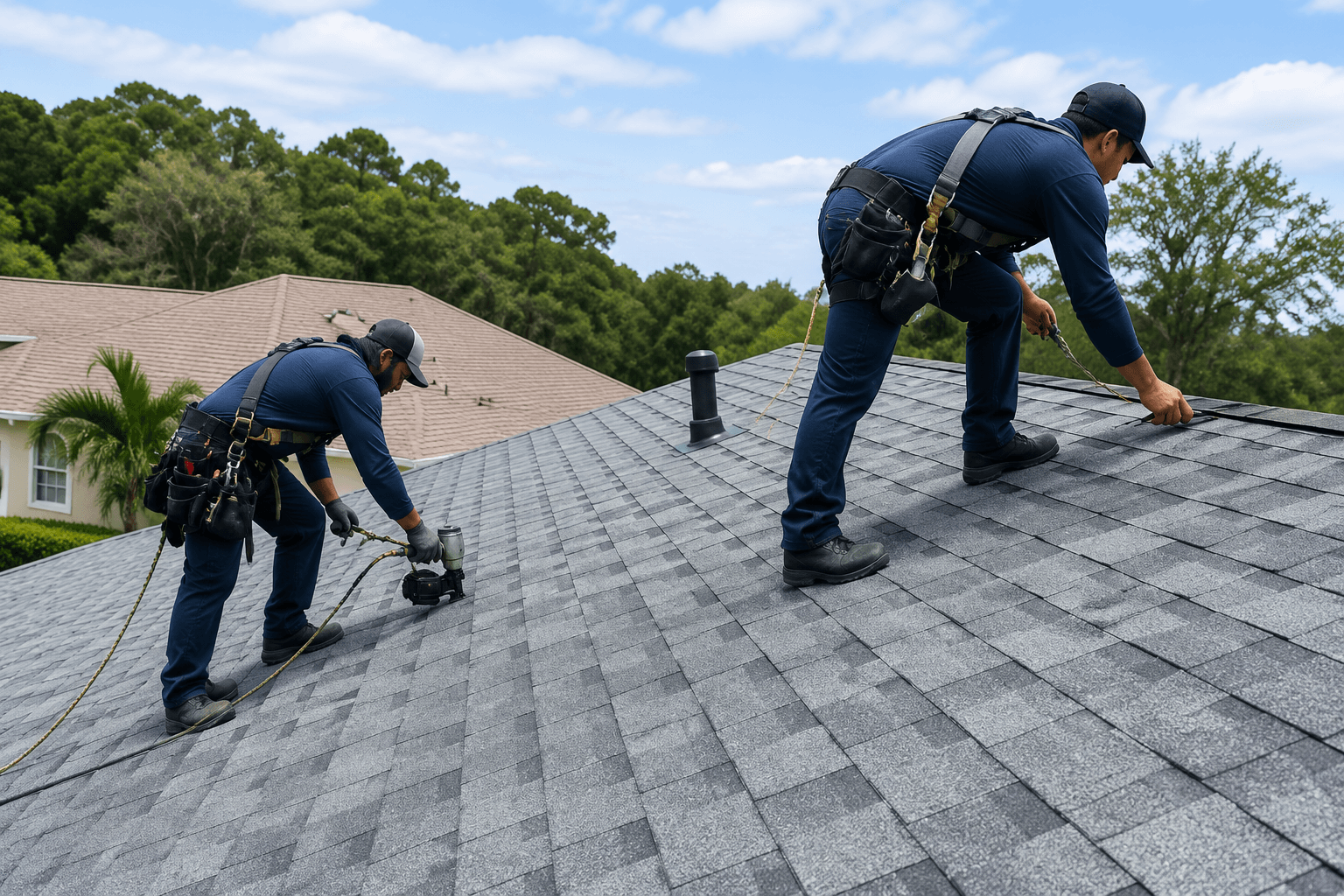

There are few decisions more consequential for a homeowner than picking the right roofing material. Your roof is what stands between you and the elements, but it also affects your maintenance bills, curb appeal, and even the house’s resale value. Of all the options on the market today, architectural shingles have emerged as the preferred choice for residential properties.
They are multi-layer asphalt shingles that provide significantly greater durability and lifespan than traditional 3-tab shingles, all while offering a more dimensional appearance. For the homeowner who wants dependable protection without the price tag of slate or cedar shake, they are an affordable yet high-performing solution.
What Makes Architectural Shingles Different?
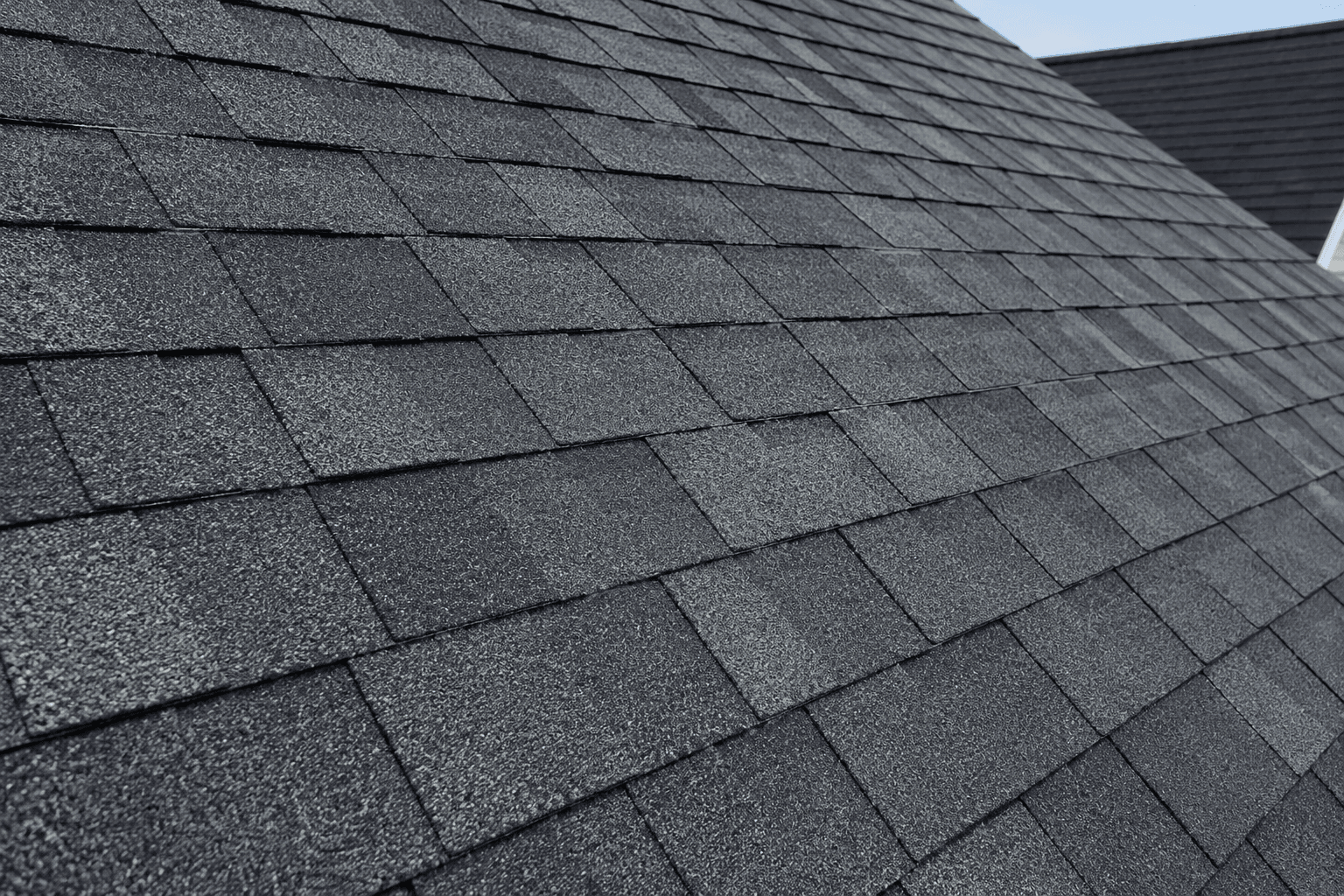
The difference lies in their construction. A standard 3-tab is just a single layer of asphalt. Architectural shingles are made by laminating multiple layers into a single product, creating a thicker, more structurally sound shingle. The shadow lines and texture create a roof appearance that is far from flat and uniform, giving the home a more visually appealing look. That combination of appearance and performance is why they have become the most widely used residential roofing material.
Anatomy of the Shingle
From the ground, they may appear simple, but architectural shingles are designed with several components that work together to protect a home.
Fiberglass Mat: The core of the shingle is a fiberglass mat for stability, so it holds its shape.
Asphalt Layer: Coating the mat with a layer of asphalt forms a waterproof seal against moisture.
Mineral Granules: On the outside, you will find mineral granules. They give the roof its color and finish, but their job is to block UV radiation from getting to the asphalt.
Laminated Construction: In the manufacturing process, extra layers of asphalt are bonded on to create the profile you see.
Why Homeowners Are Choosing Architectural Shingles
You will find more and more people choosing architectural shingles for a number of reasons.
For one, there is the appearance. Some are replacing roofs to fix damage, while others want to improve the home’s exterior. These shingles create depth and variation that mimic more expensive materials for a more refined result, while remaining affordable. Weather performance is another major factor. A roof has to withstand rain, wind, and temperature swings for years. The added thickness of an architectural shingle provides additional protection during demanding weather conditions.
Wind is a particular concern in severe storms. Properly installed, many of these shingles will hold up to 110-130 mph winds, making them a reliable option where thunderstorms are common. And if you want to match your brick, stucco, or stone, the design flexibility is there, with manufacturers offering color blends that complement a wide range of home styles.
Performance in the Elements
This is largely why they have become the standard choice for residential roofing.
Rain: The layered build is designed to direct water away from the roof surface and into the drainage system.
Hail: No asphalt shingle is completely resistant to hail damage, but these generally provide greater impact resistance than a 3-tab shingle. Premium products can even be Class 4 rated, the highest impact rating available for asphalt roofing.
Heat and Cold: Sunlight ages a roof, but the granules on an architectural shingle help reduce UV exposure. And when temperatures make the material expand and contract, the thicker construction is better equipped to handle the resulting stress.
Types of Architectural Shingles
Manufacturers offer a range of products designed to meet different budgets and performance needs.
Standard Architectural Shingles
For the majority of homeowners, these are a cost-effective choice that still provides improved durability and appearance compared to traditional 3-tab shingles.
Premium Architectural Shingles
You will find enhanced designs in the premium line, with some products made to resemble more expensive materials such as cedar shake or slate.
Impact-Resistant Architectural Shingles
Engineered for areas where severe weather and hailstorms are common, many of these shingles have a Class 4 impact rating, which may qualify homeowners for insurance discounts.
Architectural Shingles vs Other Roofing Materials
Homeowners often compare architectural shingles with other common roofing options before making a decision.
Vs 3-Tab Shingles
Architectural shingles are more attractive and offer better protection from wind and impact, along with a longer lifespan. They cost more initially, but the long-term value is often greater.
Vs Metal Roofing
A metal roof will outlast architectural shingles, but it is usually associated with a much higher upfront investment. The popularity of architectural shingles stems from their ability to balance affordability and performance.
Vs Wood Shake
If you want the distinctive look of wood shake, you must accept higher costs and additional maintenance requirements. Architectural shingles can provide a similar appearance without the same maintenance demands.
Vs Slate
Natural slate is heavy and comes with a correspondingly high cost, even though it offers exceptional longevity. You can achieve a similar visual appearance with architectural shingles at a fraction of the cost.
How Long Do They Last?
You can generally expect 25 to 30 years from most architectural shingles, though that number is influenced by factors such as climate, ventilation, and installation quality. With proper care, a premium product can exceed the 30-year mark.
Average Cost of Architectural Shingles
Architectural shingles typically cost $4.50 to $8.50 per square foot installed, with most homeowners paying between $9,000 and $17,000 for a complete roof replacement on an average-sized home.
Pricing varies based on labor rates, location, roof size, roof complexity, and underlayment requirements. Architectural shingles cost more than 3-tab shingles but less than premium materials such as tile or cedar shake. Most homeowners consider the additional investment worthwhile because of the performance and service life they provide.
Common Problems
They are very durable but not immune to problems. Potential issues include:
- Granule Loss – Some surface granules will be lost over time and with weather.
- Algae Staining – In a humid climate, you could see dark streaks from algae.
- Storm Damage – High winds or a major hailstorm can damage any roofing material.
- Poor Installation – If the nailing or flashing isn’t done correctly, it can affect the roof’s performance and longevity.
When to Replace
Eventually, all shingles wear out. Look for cracked or missing pieces, curling edges, or water stains in the house. If you are making repeated repairs or see evidence of storm damage, it may be time to schedule a professional inspection to determine whether replacement is necessary.
Some of the More Popular Brands
TAMKO Heritage is one of the most installed products in many markets for its curb appeal and durability. The TAMKO Titan XT has a reputation for strong wind performance thanks to its reinforced nailing zone.
CertainTeed Landmark is known for its reliability and broad range of color options, while the ClimateFlex version uses polymer technology for improved flexibility. For homeowners in areas frequently affected by severe weather, CertainTeed NorthGate is a leading option because of its Class 4 impact resistance.
Are They Worth It?
Yes. They offer meaningful improvements over traditional 3-tab shingles in appearance, durability, and weather resistance. The higher initial cost is often offset by reduced maintenance requirements and a longer service life.
Why Architectural Shingles Remain a Popular Roofing Choice
It is easy to understand why architectural shingles have become the preferred roofing choice for modern homes. The multi-layer construction provides a dimensional appearance and dependable weather protection. Whether you are building a new home or replacing an aging roof, they remain one of the most practical roofing options available.