A metal roof insurance discount Oklahoma homeowners ask about is not a statewide coupon, and it is not automatic because the panels are metal. Some insurers reduce the wind or hail portion of a premium when a roof meets a standard they have filed. Others want a specific impact rating, a FORTIFIED designation, or nothing beyond the roof’s age and condition. The only reliable answer is the one your own agent gives in writing after seeing the product paperwork.
Call (405) 796-8858 to request a free roof inspection before you ask the insurer about a credit.
This guide is about the questions to ask and the papers to bring. It is not a quote for your premium, and it is not a promise that any carrier will cut a bill by a set percent. For what roof coverage costs and what a policy pays after a storm, start with the roofing insurance cost guide. Come back here for the discount conversation.
What a metal roof insurance discount in Oklahoma is
Homeowners usually hear “discount” and picture a lower bill the month the new roof goes on. Insurers treat it more narrowly. A credit, if one exists, is a filed rating factor. It may apply only to the wind or hail portion of the premium, only in certain counties, or only when an inspector confirms the installation. It can also be a lower wind or hail deductible instead of a cheaper premium. Those are different savings, and an agent should say which one is on the table.
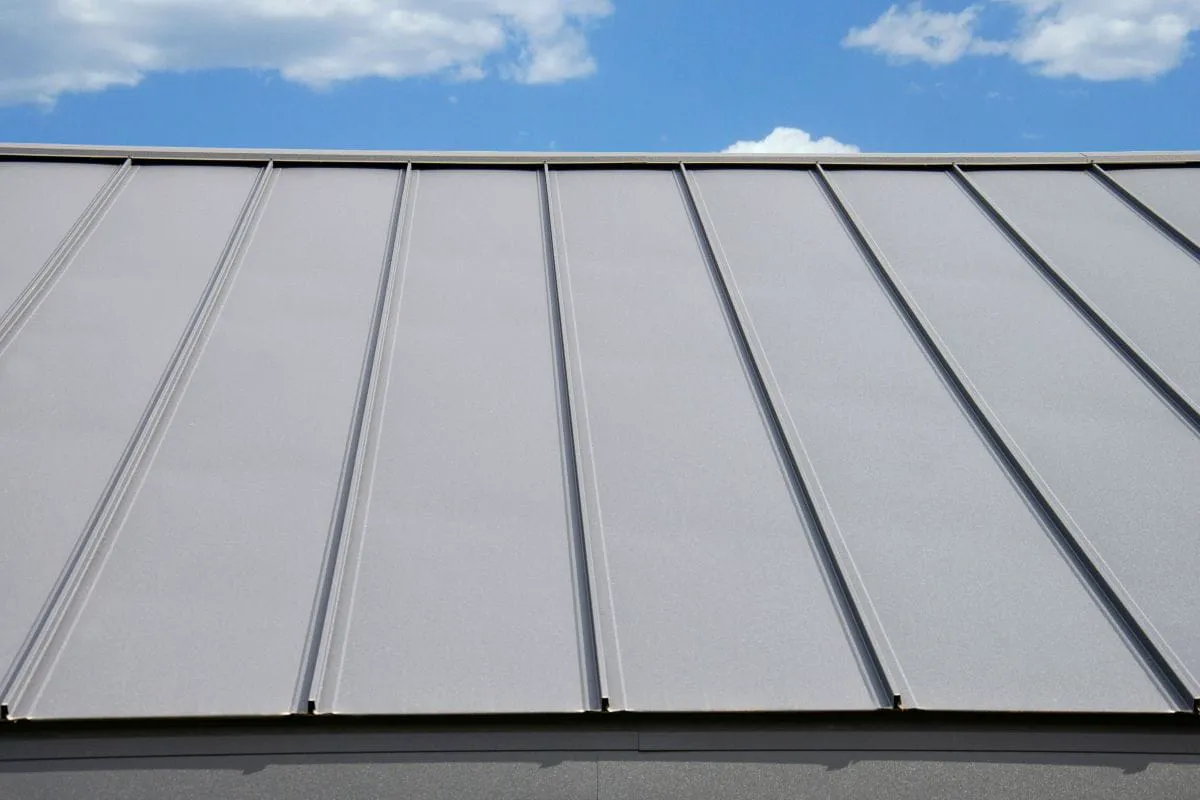
Metal is a material, not a rating. Standing seam, stone-coated steel, and corrugated panels can all be called a metal roof, and an underwriter may treat them differently. A standing-seam roof, a stone-coated panel, and an exposed-fastener panel do not tell the same hail or wind story. Product lines inside those families also differ. Ask which product name and which test result the carrier wants, not whether “metal” is on a discount list.
Oklahoma law does require a specific kind of credit, and it is easy to mix that up with a metal-panel credit. The Oklahoma Insurance Department describes the related practice on its OKReady page. Insurers discount the wind portion for homes with a FORTIFIED designation, and the owner confirms the amount with the agent.
Title 36, Section 961 is the wind-mitigation statute behind that kind of credit. It calls for a premium discount or rate reduction only when the company finds the credit actuarially justified. The construction bar is Appendix Y of the 2015 Oklahoma Uniform Building Code, including tornado-mitigation requirements. That bar must be at least the FORTIFIED Home High Wind and Hail standards from the Insurance Institute for Business and Home Safety, or the FORTIFIED standards themselves. A building inspector certifies the code path. A FORTIFIED evaluator certifies the FORTIFIED path. A sales sheet that says “metal roof” does not meet that sentence by itself.
The Oklahoma Insurance Department’s OKReady page describes the separate Strengthen Oklahoma Homes grant program. That grant is not a metal-roof discount either. It can help an eligible owner-occupied primary home reach a FORTIFIED Home Roof designation with the hail supplement, up to the program cap. The homeowner still pays costs above the award and pays the evaluator’s fee. The Department says designated homes receive discounts on the wind portion of the premium. It tells owners to ask their agent for the details.
Which papers to gather before you call
An agent cannot price a credit from a neighborhood rumor or from a photo of a shiny roof. Have the documents in one folder, on paper or as files, before the call. If a sheet is missing, say so. Guessing a rating is how a later renewal gets reversed.
- Product identity. Manufacturer, exact product name, panel or shingle profile, color, and gauge or thickness if the manufacturer lists it.
- Test or classification paperwork. Any impact, wind-uplift, or fire information the manufacturer actually published for that product. Do not invent a class number if the sheet does not show one.
- Install record. Contract, completion date, and a note on whether the new roof went over an existing layer or onto a cleared deck. Fastener type matters on exposed-fastener systems.
- Proof of who installed it. Contractor name and any installer credential the manufacturer required for the warranty you were sold.
- Existing policy pages. Declarations page, wind and hail deductible, and any roof-age or cosmetic-damage endorsement already on the policy.
- Photos from the ground. Slopes, flashing, and pipe boots. Skip the climb. A free inspection can add a written description if you do not yet have one.
If you are pricing a roof that is not installed yet, the folder is a proposal instead of a completion packet. Mark it that way. Ask the agent whether the credit starts at bind, after a post-install inspection, or at the next renewal. Those dates change the first-year math even when the percentage looks attractive.
Keep warranty papers in the same folder, but do not hand them over as if they were insurance. A manufacturer’s finish warranty and a contractor’s workmanship warranty answer different problems than a property policy. The insurer is asking whether the roof changes the chance or the size of a covered loss. The warranty answers who fixes a defect. Mixing those stacks is a common reason a discount conversation goes sideways.
Questions to ask your Oklahoma insurer
Call the agent who writes the policy, not a general customer-service line, if you can. Read the questions in order and write down the answers next to the person’s name and the date. A discount you cannot restate later is not a discount you can budget on.
- Does this carrier file any credit for metal roofing, impact-resistant roofing, or a FORTIFIED Home roof in Oklahoma?
- If yes, which products or designations qualify, and which do not?
- Does the credit apply to the wind or hail premium only, or to the whole homeowners premium?
- Is the offer a lower premium, a lower wind or hail deductible, or both?
- What proof do you need: manufacturer sheet, installer invoice, photos, inspection, or a FORTIFIED certificate?
- Do you inspect before the credit starts, and who schedules that visit?
- When does the credit hit the bill: now, at renewal, or after a re-inspection?
- Can the credit be removed later for roof age, a claim, a new owner, or a lapsed certificate?
- Are there county or ZIP limits, or a rule that the home must be the owner-occupied primary residence?
- Will you confirm the answer in writing, including the form or rule number the underwriter used?
Stop the call if the answer to the first question is no. A carrier that has not filed a metal or impact credit will not create one because a contractor asked. You can still ask whether a FORTIFIED designation would change the wind portion, because that is a different filing. Write “no metal credit on this policy” in your notes so you do not shop the same rumor again next year.
If the answer is yes, ask for the dollar effect on your current declarations, not a statewide average. A percentage on the wind portion can be a small piece of the total bill once liability, other structures, and deductibles are in the premium. A lower hail deductible can be worth more than a small premium credit in a hail ZIP, or worth nothing if you rarely file. Have the agent show both numbers.
Two cautions belong in the same conversation. First, do not ask the agent to guarantee a future claim payment. A roof credit does not decide whether hail damage is covered. It also does not decide replacement cost versus actual cash value, or repair versus replacement. Second, do not authorize a full replacement solely to chase a credit you have not seen in writing. Get the underwriting answer, then decide whether the roof work makes sense.
How carriers describe the credit
Public examples help you read an agent’s answer. They are not your price. The Oklahoma Insurance Department has published a one-page sample of FORTIFIED Home High Wind and Hail Roof filings, based on 2018 mitigation filings. The page says the figures are a sample, can change, and apply to wind and hail premiums that may vary by location.
| What people mix together | What it actually refers to | What to ask the agent |
|---|---|---|
| Any metal roof | A building material. Standing seam, stone-coated steel, and corrugated panels are all metal, and each product still needs its own paperwork. | Is this exact product on your filed credit list, or do you only credit a designation? |
| Impact or Class 4 talk | A product test result some insurers use for impact-resistant roofing credits. It is not the same as a FORTIFIED certificate. | Which test result or class, if any, does this carrier require, and for which product? |
| FORTIFIED Home roof | An Insurance Institute for Business and Home Safety designation after a certified evaluator reviews the installation. Oklahoma’s wind-mitigation statute points at this standard or an equal code path. | Do you credit the Roof designation with the hail supplement, and do you need the certificate in hand? |
| Strengthen Oklahoma Homes grant | A grant toward eligible FORTIFIED roof work on an owner-occupied primary home. It is paid to the contractor after completion. It is not a discount by itself. | If we pursue the grant, which discount filing would still have to be requested from you? |
| A published “up to” percentage | The Department’s sample list shows wind and hail credits that differ sharply by carrier. Coverages vary, and the list is not complete. | What is the dollar change on my declarations, and is it wind-only? |
Read that last row carefully. The Department’s sample comes from 2018 filings and is circulated on its OKReady discount sheet. It lists credits from a few percent up to 42 percent of the wind and hail premium, depending on the company. State Farm appears at 30 percent in that sample. Other listed companies sit much lower. None of those rows say “metal roof.” They say FORTIFIED Home High Wind and Hail Roof. Using the top number as a metal-roof promise is how homeowners get surprised at renewal.
There is a second trap in the word “most.” A sales page may say most Oklahoma carriers discount impact-resistant metal. Your carrier is one company with one filed rule. If that rule is silent, the statewide story does not bind them. Ask for the rule, then compare the written answer with the roof you can actually document.
What the roof inspection is for
The insurer’s question and the roofer’s question overlap, but they are not the same job. The agent wants underwriting facts. You want to know whether the roof matches the product the credit requires. You also want to know whether storm damage should be documented before anyone talks about a voluntary upgrade.
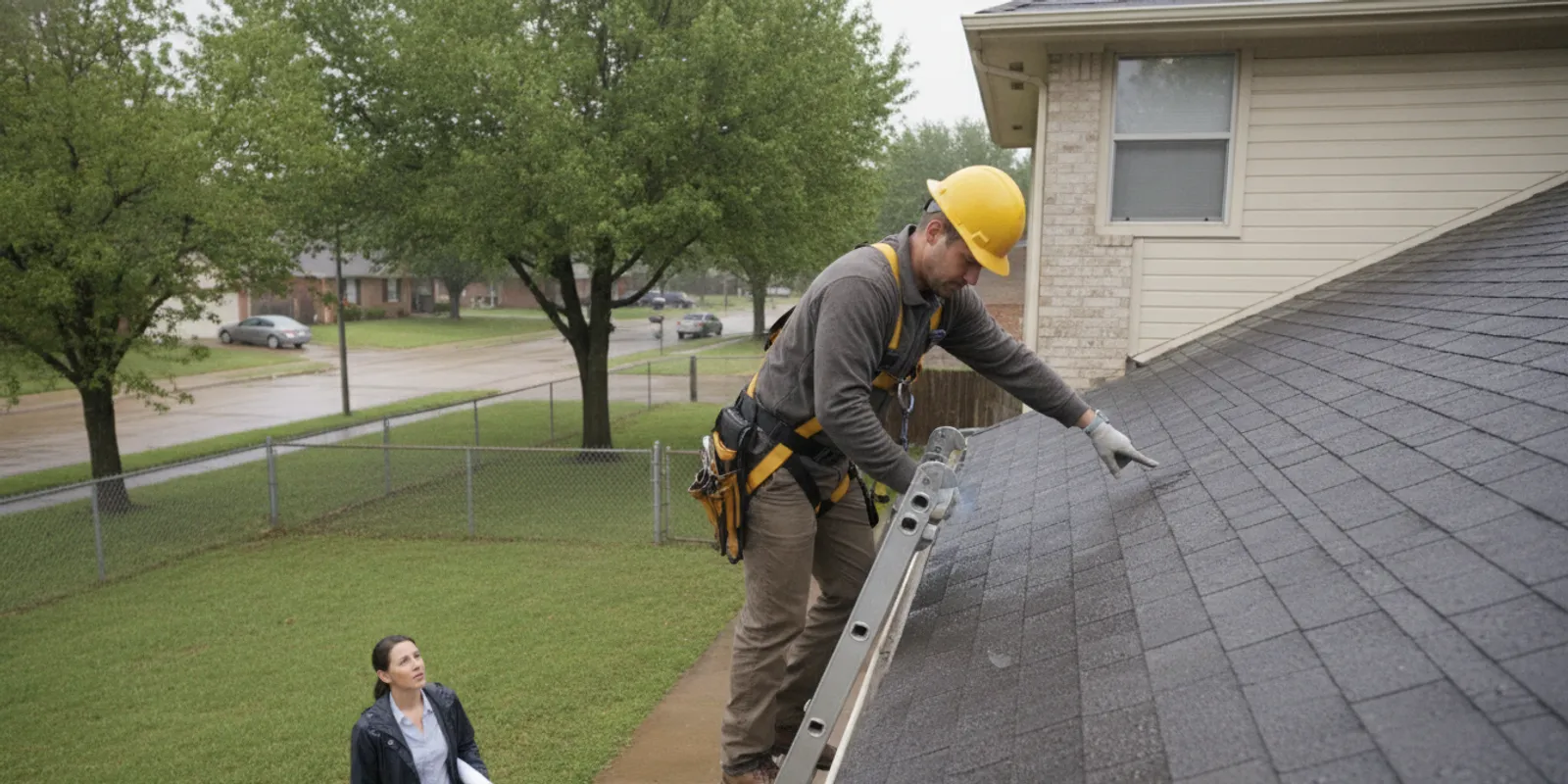
OKC Roofers’ roof replacement page offers a free inspection and a written quote. The visit can include the roof and the attic when access allows, plus insurance-claim help when a storm is part of the story. The page also describes a 25-year leak guarantee on work the company installs. That guarantee is a workmanship promise on the roof they put on. It is not an insurance premium credit, and it does not travel with a roof someone else installed.
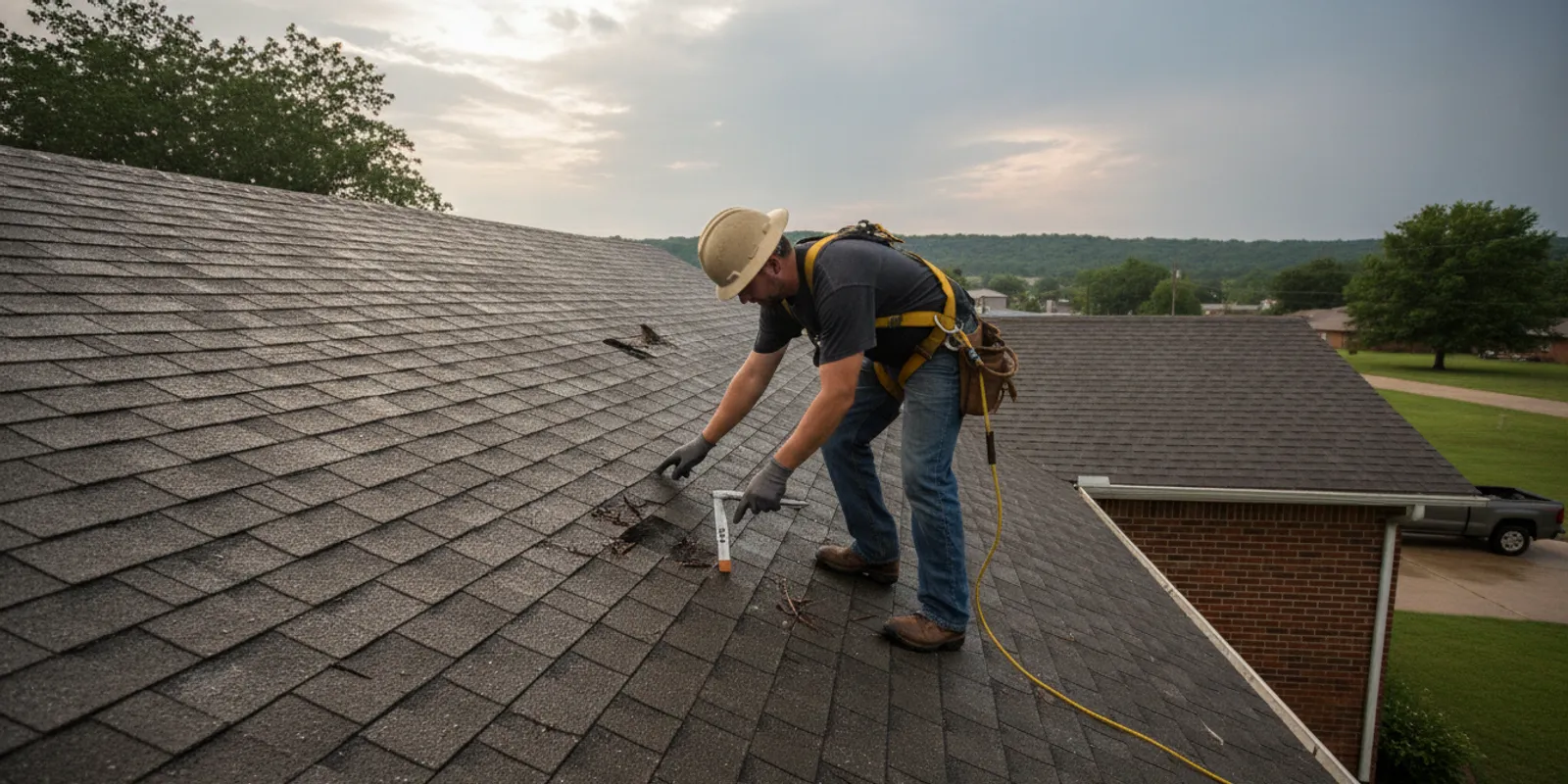
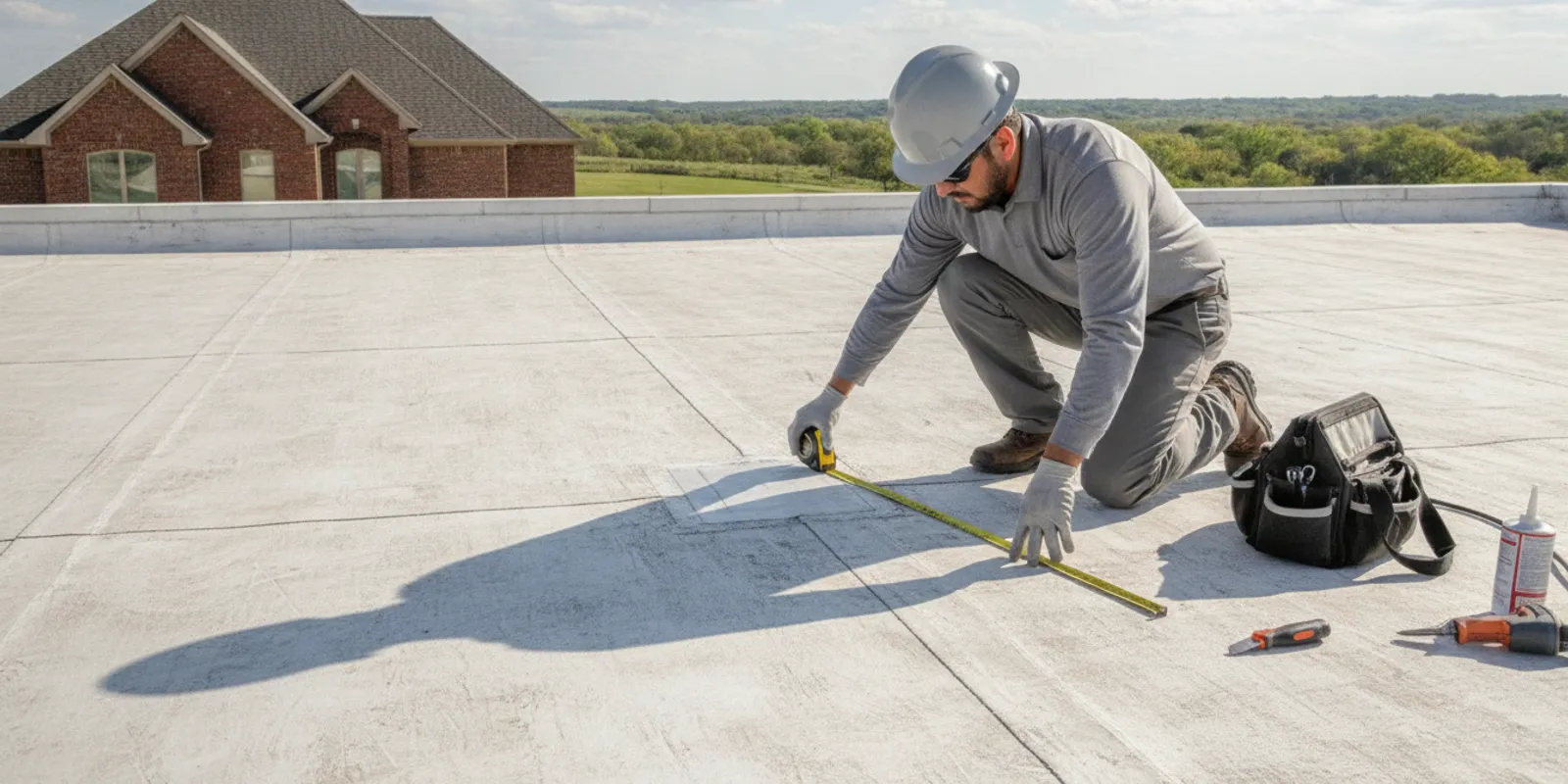
Use the inspection to fill gaps in the folder from the section above. A useful visit records the material you can see and the approximate age if it can be supported. It also notes obvious hail or wind marks, and whether the deck would need to be cleared before a new system. If you are comparing metal profiles, the metal roofing service page describes standing seam, stone-coated steel, and corrugated options the company installs. This article does not re-rank those products or quote an install price. For hail marks you already suspect, the hail damage page is the separate guide.
Bring the inspection notes to the agent as a description, not as a coverage opinion. OKC Roofers can document what is on the roof and help you talk with an adjuster when a claim is already in motion. The company does not decide the claim, waive a deductible, or tell you the carrier must pay for a metal upgrade. If the agent wants a FORTIFIED evaluator, that is a separate certification, not something a standard roof inspection replaces.
Request a free inspection and use the written notes when you ask your agent which credit, if any, applies.
How to read the answer you get back
Sort the agent’s reply into one of four buckets before you spend money. The bucket tells you the next step. It also keeps a friendly phone call from turning into a number you later cannot find in the policy.
No credit on this policy. Thank them, save the note, and stop designing the project around a discount. You may still replace a worn or damaged roof because the roof needs it. You would compare materials on durability, appearance, and the written quote, not on a premium cut this carrier will not file.
Credit only for a designation you do not have. Usually this means FORTIFIED or a named impact class. Price the extra inspection, evaluator, and installation steps before you assume the premium cut pays for them. Ask whether the Strengthen Oklahoma Homes grant is even open for your home, then subtract the evaluator fee and any cost above a grant cap. A credit on the wind portion rarely erases the full cost of a roof in year one.
Credit for the product you can document. Ask for the change in dollars on your declarations and the date it begins. Check whether a claim in the next year, a change of occupancy, or a roof-age rule can claw it back. Keep the email with the policy packet.
A maybe, pending inspection. Do not cancel the current policy or sign a roof contract that only pays off if the credit lands. Schedule the inspection the carrier named, and ask what happens if the inspector disagrees with the product sheet.
Oklahoma City-area storms are a reason to have this conversation early, not a reason to invent the outcome. Hail and wind are why carriers file mitigation credits in the first place. They are also why a carrier may look harder at roof age and condition before it offers any break. If the roof already has damage, handle that record separately from the discount question. A mitigation project should not be mistaken for a claim you have not reported.
When you are ready for a person to look at the roof you would be describing, call (405) 796-8858 or use the contact page. The free inspection is the documented next step. The premium answer still comes from your insurer.
Frequently Asked Questions
Does every metal roof get an insurance discount in Oklahoma?
No. Metal is a material, and carriers file their own rules. Some credit a specific impact-tested product, some credit only a FORTIFIED Home roof designation, and some offer no roof-material credit at all. Oklahoma’s wind-mitigation statute requires a discount only when the insurer finds it actuarially justified. The home must also be certified to the code or FORTIFIED path in the statute. Ask your agent about your product and get the answer in writing.
Is a FORTIFIED roof the same thing as a metal roof?
No. FORTIFIED Home is a voluntary construction designation from the Insurance Institute for Business and Home Safety, confirmed by a certified evaluator. A metal roof can be part of a FORTIFIED installation, but a metal roof that was not evaluated and certified is not a FORTIFIED roof. The Department’s published sample of premium credits is tied to the FORTIFIED Home roof designation. It is not tied to the word metal.
Will OKC Roofers guarantee a lower premium if they install metal?
No. OKC Roofers can inspect the roof, explain the metal systems the company installs, and give you product paperwork to show an agent. The insurer decides whether a credit exists, how much it is, and when it starts. The free inspection on the roof replacement page includes a written quote and can include claim assistance. It is not a promise of claim approval or a promised premium cut.
What should I send the agent before I ask about a discount?
Send the manufacturer and exact product name, plus any test sheet the manufacturer published. Include the install date, the contractor, ground photos, and your declarations page with the wind and hail deductible. If the roof is only proposed, label the packet as a proposal. Ask whether the carrier needs a post-install inspection or a FORTIFIED certificate before the credit, if any, appears on the bill.
Where can I check the official Oklahoma guidance?
Start with the Oklahoma Insurance Department’s OKReady page for how FORTIFIED discounts and the Strengthen Oklahoma Homes grant are described. Read Title 36, Section 961 for the wind-mitigation discount rule. The Department’s discount sheet is a sample of older filings and tells you to confirm details with your agent. Those pages are the authority. A contractor blog, including this one, is only a map of what to ask.