
A roof can look great in a sample or brochure, but the right choice needs to work for your home, too. Asphalt shingles, metal panels, tile, wood, and slate differ in cost, appearance, weight, maintenance, and expected lifespan. The best roofing material for residential roof replacement depends on your roof’s design and structure, as well as how you weigh those trade-offs. In Oklahoma City, it’s also important to consider hail, strong winds, heavy rain, and summer heat. This guide breaks down the choices and shares practical questions to ask contractors. OKC Roofers offers inspections to help homeowners understand their roof’s condition and replacement needs.
Key Takeaways
- Match the material to your home and local weather: Consider roof structure, pitch, budget, maintenance needs, and exposure to Oklahoma City hail, wind, and heat.
- Compare complete estimates, not just material prices: Review installation details, expected upkeep, warranty coverage, and potential repair costs before choosing.
- Get a professional assessment before deciding: An inspection can clarify whether repair or replacement is appropriate and which materials suit your roof. Schedule another assessment after severe weather.
Which Roofing Materials Can You Choose for a Residential Roof Replacement?
Residential roofs can be covered with asphalt shingles, metal panels, tile, wood, slate, or specialized systems for low-slope areas. Each option has its own appearance, installation needs, maintenance demands, and expected service life. The right choice depends not only on the material, but also on your home’s roof pitch, structural capacity, drainage, and exposure to weather.
In Oklahoma City, it’s worth paying close attention to wind and hail performance, as well as the manufacturer’s installation requirements and warranty terms. A material’s general reputation cannot guarantee how a particular roof will perform. The quality of the product, installation, ventilation, and ongoing care all matter. The Consumer Reports roofing guide offers a useful overview of common roofing materials and shopping considerations.
Before you settle on a style, have a professional assess the roof deck, framing, ventilation, and existing roofing layers. Some materials are heavier or require a specific pitch, while others need specialized installation or maintenance. Ask contractors to explain which options suit your home and why, and compare written estimates that specify the product, underlayment, flashing, ventilation work, and warranty coverage. A thorough roof replacement assessment can help clarify which systems fit your home and project needs.
Asphalt Shingles: Three-Tab and Architectural
Asphalt shingles are a common choice for residential roofs because they come in a wide range of colors and are available at different price points. Three-tab shingles have a flat, even profile and are typically the simpler, more economical option. Architectural shingles are thicker and layered, creating a dimensional appearance. Their construction and product ratings vary, so compare specific products rather than assuming all shingles perform alike.
For an Oklahoma City home, look at the manufacturer’s wind and impact ratings, installation requirements, and warranty details. Also ask whether the existing roof needs a full tear-off and whether ventilation or roof-deck work should be included. These factors can affect the finished roof’s performance as much as the shingle itself. The Consumer Reports roofing guide outlines key points to weigh when comparing roofing products.
Metal Roofing: Standing-Seam and Exposed-Fastener Panels
Metal roofing includes standing-seam panels, which conceal most fasteners beneath raised seams, and exposed-fastener panels, which are secured through the panel surface. Both can suit residential roofs, but their appearance, installation details, maintenance needs, and price differ. Exposed fasteners and washers may need inspection over time, while standing-seam systems require installers familiar with their specific clips and seams.
A metal roof’s service life depends on the metal, finish, installation, and maintenance. Some systems can last for decades, but performance varies by product. For an Oklahoma home, ask about tested wind and impact performance, repair procedures, and warranty coverage. Metal is not automatically the right choice for every roof, so have a contractor check pitch, flashing details, and compatibility with the home. You can also discuss storm-related concerns during an inspection after roof damage.
Tile Roofing: Clay and Concrete
Clay and concrete tiles have a distinctive shape and texture, with color and profile options that can give a home a very different look from shingle or metal roofing. Both materials can have long service lives when the product is suitable for the home and installed correctly. However, tile is heavy. Before choosing it, have a qualified professional confirm that the roof framing can support the added load.
Tiles can crack if they are struck or handled improperly, and repairs may require careful replacement to match the existing roof. Ask whether experienced tile installers and repair services are available in your area, and review the product’s installation and maintenance requirements. The overview of roofing materials discusses general durability considerations for clay and concrete tile. Your contractor can help determine whether your roof’s pitch and structure are appropriate.
Wood Shakes and Shingles
Wood shingles are usually machine-cut for a more uniform profile, while shakes tend to have a thicker, more textured appearance. Both offer a natural look, but they need regular attention. Inspect for splitting, curling, rot, moisture damage, and insect activity, and address problems before they spread. A wood roof’s lifespan depends on the product, installation, weather exposure, and maintenance.
Before choosing wood for an Oklahoma home, ask about fire and wind ratings, local code requirements, and any conditions set by your insurer. Nearby trees and limited sunlight can increase moisture exposure, so drainage and routine care matter. Also factor maintenance into the long-term cost, not just the installation estimate. A roofing professional can assess the roof’s pitch, ventilation, and surroundings, then explain whether wood is a practical fit for your home.
Slate and Synthetic Roofing
Natural slate is a stone roofing material known for its distinctive appearance and potential for a long service life. It is also heavy and requires specialized installation. Before considering slate, have the home’s structure evaluated and confirm that qualified installers and repair professionals are available locally. The material and labor can make slate a significant investment.
Synthetic or composite slate is designed to resemble natural stone, but products differ in weight, appearance, expected lifespan, and warranty. Some may weigh less than natural slate, but they still need to be installed according to the manufacturer’s specifications. Ask for product documentation, including wind and impact ratings, approved installation methods, and repair guidance. Compare the full project scope and future repair options, rather than making a decision based on appearance alone.
Low-Slope Roofing Options
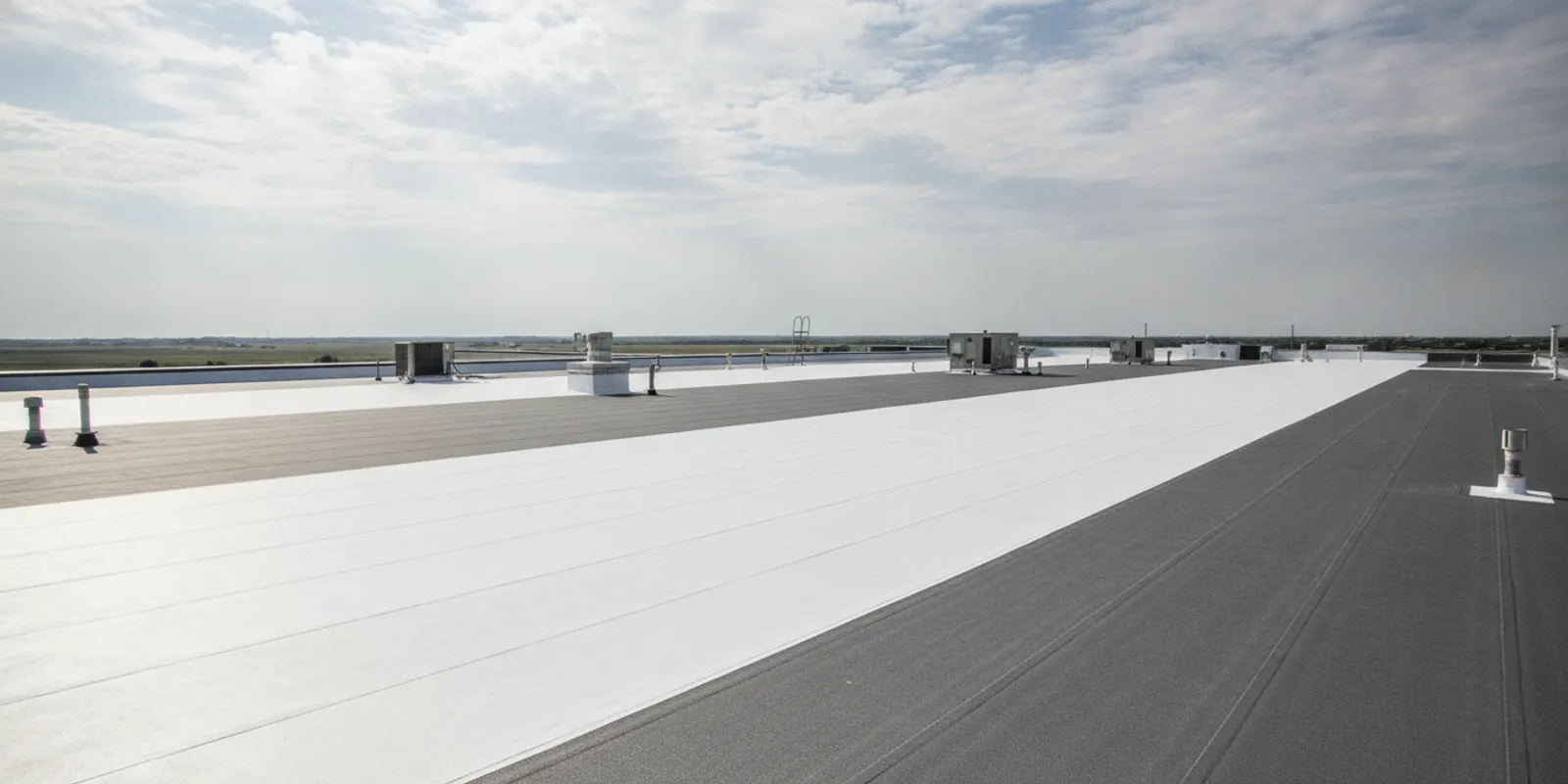
A low-slope roof needs a system designed for a shallow pitch, where water drains more slowly than it does on a steep roof. Common residential options include TPO, EPDM, and modified bitumen. These products use membranes or layered materials rather than standard overlapping shingles. Each system has its own seams, attachment methods, maintenance needs, and warranty terms.
Drainage and installation details are especially important. Standing water, clogged drains, or poorly sealed edges and roof penetrations can contribute to leaks. Ask a contractor to confirm the roof’s pitch, drainage plan, and compatibility with the product before work begins. Also discuss how the system can be inspected and repaired over time. This guide to roofing myths and maintenance explains why proper installation and care matter for reliable low-slope performance.
What Are the Pros and Cons of Each Roofing Material?
Choosing a roofing material means balancing upfront cost with expected lifespan, maintenance, appearance, and performance in your local climate. A lower-cost roof may need replacement sooner, while a longer-lasting material may require a larger initial investment or extra structural work. The right choice depends on your home, your plans for the property, and the costs you’re prepared to manage over time.
Oklahoma City homeowners should also consider exposure to hail, strong winds, summer heat, and severe storms. No roofing material is damage-proof, and a product’s performance depends on its design, installation, and upkeep. Compare the manufacturer’s ratings and warranty details, and ask how the material is expected to perform in your area. The Consumer Reports roofing guide offers helpful points to consider when comparing products.
Before settling on a material, have a qualified roofer assess your roof’s condition, slope, ventilation, and structural capacity. That assessment can help narrow your options and identify whether a repair or full replacement makes sense. OKC Roofers provides roof replacement services for homeowners in Oklahoma City and nearby communities, including inspections to help determine what your roof needs.
Asphalt: Lower Cost and Versatility, but a Shorter Typical Lifespan
Asphalt shingles are popular because they’re typically less expensive than specialty materials and come in a range of colors and styles. Three-tab shingles offer a simple, economical option, while architectural shingles have a thicker, more dimensional appearance. Both types work with many residential roof designs, and repairs are generally familiar to roofing contractors.
The trade-off is a shorter typical lifespan. Asphalt shingles often last about 15 to 30 years, depending on product quality, installation, ventilation, and weather exposure. Hail, wind, and strong sun can contribute to wear, so check for damage after major storms. When comparing products, look at the shingle’s ratings and warranty as well as its price. Consumer Reports’ roofing guide outlines factors to review before choosing a product.
Metal: Long-Lasting and Weather-Resistant, but Costlier Upfront
Metal roofing can last about 40 to 70 years or more, depending on the metal, finish, installation, and maintenance. It can resist many forms of weather-related wear, and its surface sheds rain effectively. Standing-seam panels conceal their fasteners, while exposed-fastener panels are often less expensive upfront but need periodic attention to fasteners and seals.
The main drawback is the initial cost, which is usually higher than for asphalt shingles. Good installation is essential: panel connections, flashing, and attachment methods need to suit the roof and local conditions. Metal roofs can still be affected by hail, so ask about product-specific impact ratings and warranty exclusions. Consumer Reports discusses metal roofing’s durability and wind performance. Compare complete project estimates, including labor and required roof preparation.
Tile: Durable and Distinctive, but Heavy and Labor-Intensive to Install
Clay and concrete tiles have a distinctive look and can last for decades. Clay tile may last around 50 to 100 years or longer, while concrete tile often lasts about 30 to 60 years. Actual service life depends on the product, installation, and upkeep. Tile is also fire-resistant, which may appeal to homeowners weighing different material features.
Tile’s weight can limit whether it’s suitable for a home. A contractor should check that the roof structure can support it, since reinforcement may add cost and time. Installation takes specialized skill, and tiles can crack if struck or walked on improperly. In Oklahoma, ask how the specific product is rated for hail and wind. Review the manufacturer’s specifications and warranty, since ratings and coverage vary by product.
Wood: Natural Appearance, but More Maintenance
Wood shingles and shakes add natural texture to a home. Shingles are typically cut for a more uniform appearance, while shakes have a rougher, more rustic look. With proper installation and regular care, wood roofing often lasts around 20 to 30 years. Its appearance may suit some homes particularly well, but it’s important to consider the upkeep before choosing it.
Wood needs attention to help prevent rot, insect damage, and moisture problems. Leaves and debris can hold moisture against the roof, so keep drainage paths clear and arrange regular inspections. Fire performance varies by product and treatment, so check local requirements and manufacturer information before making a decision. Pfeifer Roofing’s homeowner guide explains maintenance considerations for wood roofing.
Slate and Synthetic: Different Costs, Weights, and Durability
Natural slate offers a distinctive finish and can last 75 years or more than 150 years with proper care. That longevity comes with high material and installation costs. Slate is also heavy, so a contractor should confirm that your home can support it. Repairs may require a roofer with slate experience, along with access to compatible replacement pieces.
Synthetic slate and composite roofing can offer a similar appearance at a lower weight. Lifespans vary by product, with some synthetic options rated for around 40 to 60 years. Compare product specifications, installation requirements, and warranty terms rather than assuming all synthetic materials perform alike. CCEMagazine’s roofing material overview provides general lifespan ranges for slate and synthetic products. Also ask whether local contractors can make repairs and what the warranty covers for hail or wind damage.
How Long Do Roofing Materials Last?
A roof’s expected lifespan depends on more than the material. Oklahoma City weather, installation quality, attic ventilation, and maintenance all affect how it performs over time. Use lifespan estimates as a planning guide, then have a roofer assess your roof’s age and condition.
Compare Typical Lifespans by Material
Three-tab asphalt shingles often last about 15 to 30 years, while architectural shingles may last 25 to 50 years. Metal roofing can last 40 to 70 years or longer with proper care. Wood shakes and shingles commonly last 20 to 30 years, but need regular maintenance to help prevent rot and insect damage.
Tile and slate can last longer. Clay tile may last 50 to 100 years or more, concrete tile about 30 to 60 years, and natural slate 75 to more than 150 years. These are general estimates, not guarantees. The IKO guide to roof maintenance provides more lifespan guidance. A professional inspection can help determine whether your roof needs repair or replacement.
See How Hail, Wind, Heat, Moisture, and Sun Affect Durability
Weather can shorten a roof’s service life, especially when damage goes unnoticed. Hail may bruise shingles, crack tiles, or dent metal panels. Strong winds can lift shingles or strain seams and fasteners. Oklahoma City’s summer heat and sun also wear on roofing materials, while moisture that gets beneath damaged areas can contribute to leaks and decay.
Each material responds differently to local conditions, so consider more than its estimated lifespan. Metal is known for durability, though it usually costs more upfront. Asphalt comes in a range of options, but hail or wind damage may call for repairs before the roof reaches its expected lifespan. After severe weather, schedule an inspection to check for damage you may not see from the ground. OKC Roofers offers storm damage assessments for local property owners.
Consider How Roof Design, Ventilation, and Maintenance Affect Lifespan
Even durable roofing can wear out early if the roof has poor drainage, faulty installation, or inadequate attic ventilation. Roof pitch, valleys, flashing, and other design details affect how water drains. Good attic airflow and insulation help manage heat and moisture, which can reduce the risk of condensation and ice dams.
Regular inspections can catch loose materials, failing flashing, clogged gutters, and small leaks before they lead to more damage. Keep gutters clear, and avoid walking on roofing that can crack or dent. After a major storm, ask a qualified roofer to inspect the roof safely. The Third Estimate’s roof maintenance tips explain how ventilation and routine checks support roof performance. If you notice a leak or visible damage, arrange a roof repair inspection.
Check Material Ratings and Warranty Terms
Compare product ratings for impact resistance, wind performance, fire safety, and energy performance. These details can help you weigh options, but they do not guarantee a roof will avoid damage in every storm. Ask your roofer which products suit your roof structure and local requirements.
Review the material warranty and the contractor’s workmanship coverage. Check what each covers, how long coverage lasts, and whether there are installation or maintenance requirements. Ask if the warranty transfers to a future owner, and get the details in writing. A longer warranty does not automatically mean a longer-lasting roof, so compare the terms with the product and installation plan. When reviewing estimates, ask what underlayment, flashing, ventilation, and cleanup are included. OKC Roofers offers a free 18-point inspection to help homeowners understand roof condition and discuss suitable options.
How Much Does Each Roofing Material Cost?
The cost of replacing a roof depends on more than the material you select. Roof size, pitch, layout, labor, tear-off, and any repairs can all affect the final estimate. Prices from national guides offer a useful starting point, but they are not a quote for an Oklahoma City home. Ask a local roofing contractor to inspect your roof and explain which costs apply to your project.
Compare Material and Installation Costs
Roofing prices may be listed per square, which covers 100 square feet, or as a total project price. Check whether a figure includes installation or covers materials only. As a broad reference, Consumer Reports cites a national roof replacement average of $9,513, with a reported range of $5,867 to $13,211. Local prices can differ based on labor, materials, and project requirements.
Asphalt shingles generally cost less upfront than premium materials such as metal, tile, or slate. For asphalt installation, Consumer Reports’ roofing guide lists examples from about $75 to $105 per square for basic three-tab shingles, up to $350 per square for multilayered architectural shingles. Ask contractors to clarify what their prices include.
See Why the Cheapest Roof May Cost More Over Time
The lowest estimate may not be the least expensive choice over the life of your roof. A lower bid could reflect a different material grade, a narrower project scope, or fewer roofing components. If the roof requires repairs sooner or needs replacement earlier than expected, the initial savings may be offset by additional expenses.
Compare expected lifespan, maintenance needs, and warranty coverage along with the upfront price. Ask whether the estimate includes underlayment, flashing, ventilation, and cleanup, and confirm which products the contractor plans to use. Tadlock Roofing’s overview of roofing myths explains how lower-quality materials may wear out sooner. A detailed estimate helps you judge the value of each option, not just its starting price.
Account for Roof Size, Pitch, Tear-Off, and Structural Work
A roof’s size and design affect how much material and labor a replacement requires. Steep slopes, dormers, skylights, valleys, and other complex features can add time and installation steps. Your estimate may also include removing and disposing of old roofing, replacing damaged decking, or addressing structural concerns identified during an inspection.
Request an itemized estimate so you can see how these costs contribute to the total. Consumer Reports recommends getting three or more bids, since labor and other materials can vary even when contractors quote the same shingles. An OKC Roofers roof replacement inspection can help clarify your roof’s condition and the work it may need. Share the same project details with each contractor to make the estimates easier to compare.
Include Maintenance, Repairs, and Future Replacement
The purchase price is only one part of a roof’s long-term cost. Consider how often the material may need inspections, cleaning, repairs, or eventual replacement. Asphalt shingles, metal, tile, wood, and slate have different upkeep needs, and local weather conditions can influence wear over time.
Routine maintenance can help you spot small issues early. Keep gutters and drainage paths clear, look for visible damage from the ground, and arrange an inspection after severe weather. Pfeifer Roofing’s homeowner guide explains how timely maintenance and repairs can help extend a roof’s service life. Ask contractors what care each material requires, how repairs are typically handled, and whether replacement pieces are readily available.
Compare Estimates, Workmanship Coverage, and Material Warranties
A useful estimate describes the complete roofing system, not only the visible shingles or panels. Check whether it lists underlayment, flashing, drip edge, ventilation, disposal, and any planned repairs. Confirm the materials, project timeline, payment schedule, and how the contractor will price work if hidden damage appears after tear-off.
Ask about the manufacturer’s material warranty and the contractor’s workmanship coverage. These cover different aspects of the project, and their terms vary. Consumer Reports’ roofing buying guide recommends reviewing written warranty details and contract pricing terms. Compare bids line by line, and ask contractors to explain major differences in materials, labor, or coverage. A clear scope helps you understand what is included and what could add to the final cost.
Ask About Financing
If your roof needs attention and paying the full cost upfront is difficult, ask about financing before settling on a material. Monthly payments may make a project easier to budget for, but review the interest rate, fees, repayment period, and total amount you will pay. Check when payments begin and whether the financing terms fit your household budget.
Financing options and approval requirements vary. Ask whether a plan applies to roof repairs, replacement, or both, and whether the project price changes when you finance. OKC Roofers offers financing options for qualifying projects. Contact the team through its roofing services page to ask about available terms and arrange an inspection. Compare financing details with the written estimate so you can weigh payment options alongside the material and scope of work.
Which Roofing Materials Suit Oklahoma City Weather?
Oklahoma City roofs face hail, high winds, heavy rain, and long, hot summers. The right choice depends on more than the material: your roof’s shape, structure, ventilation, and budget all matter. Compare the performance ratings and warranty terms for specific products, then ask a qualified roofer how each option fits your home.
Consider Hail, High Winds, and Severe Storms
Hail can crack shingles, dent metal panels, and damage other roofing materials. Strong winds can lift shingles or loosen roof components, particularly around roof edges and ridges. Metal roofing can resist wind uplift when the panels and fastening system are properly selected and installed, though some panels may dent during hailstorms. Impact-rated shingles may offer added resistance, but no roofing material is hailproof. Ask how a product is tested and what its warranty covers, including any limits related to hail or wind. After a severe storm, damage may be difficult to spot from the ground. OKC Roofers offers storm-damage inspections to help local property owners assess their roofs.
Account for Summer Heat, Sunlight, and Roof Ventilation
Oklahoma summers bring extended heat and strong sunlight, which can affect indoor comfort and cooling costs. Light-colored or reflective roofing products may absorb less solar heat than darker options. The potential savings depend on factors such as your home’s insulation, roof design, and local conditions. A roof’s color alone does not determine how well your home handles heat. Attic ventilation and insulation also play an important role, so ask your contractor to consider the whole roof system when recommending materials. The Consumer Reports roofing guide explains how roofing choices can affect performance and energy use.
Compare Impact, Wind, and Energy-Performance Ratings
Compare the ratings for specific products rather than relying on broad claims about a material. Ask about impact resistance and wind performance, and check whether a product has relevant energy-performance certifications. Asphalt shingles and metal panels can vary considerably in their ratings. For metal roofing, panel design, attachment method, and installation quality all affect how the system performs in high winds. Metal roofs can last for decades, but their service life depends on the product, coating, exposure, and maintenance. The IKO roof maintenance guide outlines factors that can affect roof durability. Request product specifications and warranty terms in writing so you can compare options clearly.
Check Local Building Requirements and Insurance Considerations
Before choosing a roofing material, confirm that it meets applicable local requirements and suits your home’s structure. Tile and slate, for example, weigh more than many asphalt shingles, so a contractor should assess whether the roof framing can support them. Ask which permits and building-code requirements apply to your project. It’s also wise to contact your insurance provider before making a decision. Coverage, deductibles, and material-specific conditions vary by policy, and choosing a particular roof does not guarantee a lower premium. If you’re replacing a storm-damaged roof, document the damage and review the claim process with your insurer before work begins. OKC Roofers provides roof replacement services and can explain the project scope and available insurance-claim assistance.
What Should You Consider Before Choosing a Roofing Material?
The best roofing material for your home depends on more than its color or price. Consider how long you plan to stay, the roof’s condition and design, the amount of maintenance you’re comfortable with, and how the material may perform in Oklahoma City’s hail, wind, and summer heat.
Start by confirming what your roof can support. Roof pitch, drainage, structural capacity, and details such as valleys, chimneys, and skylights can affect which materials are suitable and how they must be installed. Heavier options may require a structural assessment, while low-slope sections may need a roofing system designed to manage water differently. A professional inspection can help clarify these requirements before you compare estimates.
Then look at the full cost of ownership. In addition to installation, consider future maintenance and repairs, energy performance, material availability, warranty terms, and insurance requirements. A lower initial price may not be the best value if the material needs frequent repairs or is difficult to source. A higher-cost option may also be unnecessary if you expect to move soon.
OKC Roofers offers a free 18-point roof inspection to assess your roof and discuss possible next steps. Use the inspection findings to compare materials based on your home’s needs, not just their appearance.
Set a Budget and Consider How Long You’ll Stay
Set a budget before choosing a material, and remember to account for more than the product itself. Labor, tear-off and disposal, underlayment, flashing, and repairs to the roof deck can all affect the final cost. Roof size, pitch, and complexity matter too, so ask contractors to explain what each estimate includes.
Your plans for the home can help guide the decision. If you expect to move in a few years, a less expensive option may fit your priorities. If you plan to stay longer, compare whether a more durable material could make sense over time, considering its initial cost, maintenance, and potential repairs. Roof replacement costs vary with the project, not just the material, as Kaufman Roofing explains. Ask about financing if it would help you compare suitable options.
Match the Material to Your Home’s Style, Roof Pitch, and Structure
Choose a material that works with both your home’s appearance and its construction. Asphalt shingles suit many styles, while metal, tile, wood, and slate create different looks. Consider the roof color and profile alongside your siding, trim, and surroundings. If your neighborhood or homeowners association has design guidelines, check them before making a choice.
The roof’s pitch and structure can limit which materials are appropriate. Some products are intended for steep slopes, while low-slope areas need systems designed to handle water differently. Heavy materials may require a structural assessment. Roof features such as valleys, chimneys, skylights, and dormers also affect installation details. Factors including climate, slope, and energy efficiency all matter. Ask a roofing contractor to inspect your roof and explain which options suit its design.
Balance Durability, Maintenance, Energy Performance, and Sustainability
Compare how a material performs over time, not only how it looks when new. Ask about expected lifespan, resistance to Oklahoma weather, and routine maintenance. Asphalt shingles may need attention after a storm, while metal roofs need checks of seams and fasteners. Tile and slate can last for decades, but damaged pieces require careful repair.
Energy performance is another consideration during hot Oklahoma City summers. Roof color and material can affect heat absorption, while ventilation and insulation influence how the whole roofing system performs. Ask a contractor to assess these factors together. If sustainability matters to you, ask about recycled content, recyclability, and how much material may be discarded during replacement. Product quality and installation both affect durability. Discuss moisture resistance and temperature changes, along with the manufacturer’s warranty and the contractor’s workmanship coverage.
Check Local Repair Availability and Insurance Requirements
Before choosing a material, find out whether local contractors can source it and repair it. If parts are difficult to obtain or few crews work with the roofing system, repairs may take longer or cost more. Ask what common repairs involve, whether damaged sections can be replaced individually, and how quickly a contractor can respond after a storm.
Check with your insurance provider about coverage, deductibles, and any material-specific requirements. Policies differ, so confirm details directly rather than assuming a particular roof will affect your premium or coverage. After a storm, document visible damage from a safe location and arrange an inspection. Addressing problems early can help prevent further damage, and timely repairs may extend a roof’s useful life. OKC Roofers provides storm damage assessment and restoration, including support for homeowners dealing with the repair process and insurance documentation.
Decide Whether to Repair or Replace Your Roof
A full replacement is not always necessary. If damage is limited and the rest of the roof is in sound condition, a repair may resolve the problem and extend its service life. Replacement may be a better option if leaks keep returning, damage is widespread, or the roof is nearing the end of its expected lifespan.
Ask a professional to inspect the roof before deciding. The assessment should consider visible damage, flashing, ventilation, drainage, and the roof deck where accessible. Compare the cost of repairs with the likelihood of ongoing maintenance and the eventual cost of replacement. Regular inspections can help identify issues before they become more expensive, as Kirkland Roofing notes. For more information, see OKC Roofers’ services for roof repair and roof replacement.
How Should You Maintain Each Roofing Material?
Roof maintenance depends on the material, but the goal is the same: catch wear early, keep water draining properly, and avoid damage from unsafe inspections or DIY repairs. In Oklahoma City, hail, high winds, heavy rain, and summer heat can put stress on roofing throughout the year. A loose shingle or blocked gutter may seem minor, but if water gets beneath the roof covering, it can damage the underlying structure and lead to interior leaks.
Start by checking your roof from the ground after severe weather and during routine home maintenance. Look for missing or displaced materials, debris, sagging gutters, and new water stains on ceilings. Don’t climb onto the roof to investigate. Wet, steep, or storm-damaged surfaces can be dangerous, and some materials, including tile and slate, can break underfoot. The IKO roof maintenance guide offers material-specific checks homeowners can use.
If you spot a concern, have a qualified roofer assess it. A professional can identify damage that isn’t visible from the ground and recommend an appropriate repair. OKC Roofers provides roof inspections and repair services for Oklahoma City area property owners.
Check Asphalt Shingles for Damage, Granule Loss, and Algae
From the ground, look for asphalt shingles that are missing, cracked, curled, or lifted. Pay attention to roof edges and areas around chimneys, vents, and valleys, where flashing and shingle damage can allow water through. After rain, check gutters and downspouts for an unusual amount of shingle granules. Some granule loss occurs as shingles age, but a sudden increase can signal wear.
Dark streaks may indicate algae growth. Avoid scrubbing shingles or using a pressure washer, as harsh cleaning can damage their protective surface. If you notice a leak or visible shingle damage, ask a roofer to inspect the roof before attempting a repair. OKC Roofers can assess concerns through its roof repair service.
Inspect Metal Panels, Seams, and Fasteners
Check metal roofing from the ground for panels that appear loose or out of line, gaps at seams, damaged flashing, and visible rust or corrosion. Areas around chimneys, vents, and roof-to-wall transitions deserve attention because they rely on correctly installed flashing to keep water out. Binoculars can help you spot changes without stepping onto the roof.
If a fastener appears loose or you see water stains indoors, arrange a professional inspection. Don’t tighten fasteners or apply sealant without knowing what caused the issue. Metal roofs expand and contract as temperatures change, and an improvised repair may not address the source of a leak. A roofer can check the panels, seams, and flashing and recommend a repair suited to the specific roofing system.
Check Tile, Slate, and Wood for Cracks, Wear, or Rot
After hail or high winds, look from the ground for cracked, chipped, or displaced tile and slate. Check for debris in gutters and changes to the roofline, too. Avoid walking on these materials: tile and slate can crack under concentrated weight, creating both a safety risk and additional roof damage. A professional can inspect the visible surface and the layers beneath it.
Wood shakes and shingles may split, curl, soften, or show signs of rot or insect activity. Trim branches that rub against the roof, and keep leaves from collecting in areas where they can hold moisture. Since each material has different repair requirements, leave close-up inspections and repairs to a qualified roofer who can assess the damage without causing further harm.
Clear Gutters, Valleys, and Drainage Paths
Leaves, twigs, and roofing debris can block gutters and downspouts, preventing water from draining away from your home. Check for sagging gutters, overflow during rain, or water stains on siding. Make sure downspouts direct water away from the foundation, rather than pooling beside it.
Roof valleys also need to stay clear so rainwater can flow off the roof. Debris in a valley can hold moisture against the roofing material and interfere with drainage. Don’t lean across a roof or climb a ladder unless you have the right training and equipment. If the roof is steep or gutters are hard to reach, arrange professional cleaning. The IKO maintenance guide explains how clear gutters and downspouts help reduce water-related problems.
Schedule Inspections After Major Storms
After hail, high winds, or heavy rain, look over your property from the ground. Check for missing shingles, dented metal, fallen branches, damaged gutters, and new water stains on ceilings or walls. Some roof damage isn’t easy to see from below, so the absence of obvious signs doesn’t rule out a problem. Don’t climb onto a roof that may have been damaged.
A professional inspection can help identify storm damage and determine whether a repair or replacement is appropriate. OKC Roofers offers storm-damage inspections and assistance with insurance claims. The company also provides free 18-point inspections and guaranteed two-hour emergency on-site inspections, giving local property owners an option when a storm leaves visible damage or a leak needs prompt attention.
How Do Installation Quality and Contractor Choice Affect Roof Performance?
Your roofing material is only part of the equation. Even a durable product can underperform if the crew installs it incorrectly, skips important details, or fails to address damage beneath the old roof. A well-planned installation helps protect your home from water intrusion and supports the roof’s expected performance over time.
Before choosing a contractor, ask how they’ll handle underlayment, flashing, ventilation, and any details specific to your selected material. Get the work and materials listed in a written estimate, and clarify who will supervise the job, how cleanup will be handled, and what workmanship coverage applies. These details make it easier to compare proposals and understand what you’re paying for.
It also helps to arrange a professional inspection before deciding whether your roof needs repair or replacement, especially after hail or high winds. Ask the contractor to explain any damage they find and document it clearly. If you’re considering a storm-related insurance claim, find out what assistance the contractor provides and keep copies of estimates, photos, and communications.
Confirm Proper Underlayment, Flashing, Ventilation, and Material-Specific Details
Underlayment adds a layer of protection beneath the visible roofing material. Flashing directs water away from vulnerable areas, including chimneys, vents, valleys, and roof edges. Ventilation helps manage heat and moisture in the attic, which can affect the roof system over time. Ask your contractor how the installation plan addresses each item.
The right approach also depends on the material. Metal panels, for example, require appropriate fastening and attention to seams, while heavier options such as tile may call for a review of the roof structure. Request an estimate that identifies the products and describes the installation work instead of relying on a vague line such as “new roof.” The Consumer Reports roofing guide offers helpful questions to ask when reviewing a project.
Review Contractor Credentials, Project Scope, Cleanup, and Workmanship Coverage
Before hiring a roofer, check their local experience, references, insurance, and any credentials required in your area. Ask who will supervise the work and whether the crew includes employees, subcontractors, or both. Knowing who is responsible for the project gives you a clear point of contact if questions come up.
Read the written scope carefully. It should explain whether the crew will remove the old roofing, inspect the roof deck, replace damaged sections, install flashing, and haul away debris. Confirm how the contractor will protect your property and check for leftover nails during cleanup. Ask what workmanship coverage includes, how long it lasts, and how to request service. You can review OKC Roofers’ services and discuss which work your home may need.
Ask for a Professional Inspection and Storm-Damage Assessment
Some roof problems are difficult to spot from the ground. Cracked shingles, loose flashing, or ventilation concerns may not cause an obvious leak right away. A professional inspection can help identify areas that need attention and clarify whether repair or replacement is the more suitable option. Tell the inspector about leaks, missing shingles, ceiling stains, or other changes you’ve noticed.
After hail or high winds, ask the roofer to document visible damage with photos and explain what needs repair. Stay off the roof yourself, since it may be slippery or unstable. OKC Roofers offers free 18-point inspections and guaranteed two-hour emergency on-site inspections. An assessment can help you understand the roof’s condition and decide what steps to take next.
Compare Installation Plans, Warranties, and Insurance-Claim Assistance
Compare written estimates line by line. Check that each one identifies the roofing product, underlayment, flashing, ventilation work, tear-off, disposal, and any planned roof-deck repairs. Ask what happens if the crew uncovers hidden damage and whether you’ll approve extra work before it begins. A clear scope makes it easier to compare bids fairly.
Review material and workmanship coverage separately. Ask what each warranty covers, who handles a claim, and whether conditions or time limits affect coverage. A long warranty term does not necessarily mean every repair or replacement is included, so request the terms in writing. If a storm may have damaged your roof, ask whether the contractor can document findings for your insurer. OKC Roofers provides insurance-claim assistance; confirm what support is included and keep your own records of estimates, photos, and insurer communications.
How Can You Choose the Best Roofing Material for Your Home?
The right roofing material depends on your home’s structure, your budget, and what you want from your roof. Compare options based on more than appearance or advertised lifespan. A professional inspection can help you understand what your roof needs and which materials make sense for your Oklahoma City home.
Compare Options with Your Priorities, Budget, and Roof Requirements
Start by ranking what matters most to you: upfront cost, durability, appearance, energy performance, or maintenance. Asphalt shingles are a widely used, versatile option with a lower initial cost than many alternatives. Metal roofing may appeal if you’re looking for a long-lasting material, while tile or slate can create a distinctive look but may require additional structural support.
Your roof’s pitch, framing, and layout can narrow your choices. Ask about wind and impact ratings, expected maintenance, warranty terms, and whether local contractors can repair the material if needed. Compare the full costs and trade-offs, not just the price of the product. This overview of roofing material costs and lifespans can help you prepare questions before meeting with a contractor.
Request a Professional Inspection and Material Recommendations
Ask a qualified roofer to inspect your roof before you choose a replacement material. The inspection should look for visible damage, leaks, worn flashing, drainage issues, and ventilation concerns. Problems beneath the surface can affect how well a new roof performs, so it’s important to understand the roof’s condition before selecting materials.
Ask the roofer to explain which options fit your home’s structure, budget, and exposure to hail and high winds. If the roof has storm damage, request photos and a clear explanation of whether repair or replacement is the better option. A timely inspection can identify issues while they’re still manageable, as roofing professionals explain. OKC Roofers offers roofing inspections and services to homeowners in Oklahoma City and surrounding communities.
Review the Estimate and Ask About Financing
A detailed estimate should identify the roofing material and product line, removal and disposal of old materials, underlayment, flashing, ventilation work, cleanup, and any anticipated roof-deck repairs. Check that labor and material warranties are listed separately. When comparing bids, review the work each one includes, since a lower price may reflect a narrower project scope.
The final cost can depend on roof size, pitch, material, access, and repairs discovered during the work. Ask which costs are fixed and which could change. If the upfront expense is difficult to manage, ask about financing and read the terms before signing. OKC Roofers provides roof replacement services and financing options. Make sure you understand the payment schedule, warranty coverage, and how the contractor will handle unexpected damage.
Consider an Oklahoma City Contractor’s Inspection and Guarantee Options
Choose a contractor who explains the inspection findings, installation plan, and coverage in writing. Ask about insurance, project supervision, debris removal, and how the crew will protect your property. For an Oklahoma City home, discuss how the recommended roofing system is suited to local conditions, including hail, high winds, heat, and heavy rain.
Before work begins, review what the guarantee covers, how long it lasts, and whether there are conditions that could affect coverage. OKC Roofers offers free 18-point inspections and a 25-year guarantee. Ask how the guarantee applies to your selected material and installation, and whether it covers workmanship, materials, or both. You can learn more about the company’s background and approach to service before scheduling an inspection.
Frequently Asked Questions
Which roofing material is best for homes in Oklahoma City?
There isn’t one best choice for every home. Asphalt shingles suit many budgets and roof designs, while metal, tile, slate, and wood each have different costs, upkeep needs, and structural requirements. Compare product-specific wind and impact ratings, then ask a roofer to assess your roof’s pitch, framing, and ventilation.
Can any roofing material prevent hail damage?
No roofing material is hailproof. Some products have impact-resistance ratings, but actual performance depends on the product, installation, and storm conditions. Ask what the rating means and check whether the warranty excludes hail damage.
How do I compare roofing estimates fairly?
Check that each estimate covers the same work, including tear-off, disposal, underlayment, flashing, ventilation, cleanup, and possible roof-deck repairs. Compare the products and warranty terms, too. If anything is unclear, ask the contractor to explain it before you sign.
Should I repair my roof or replace it?
A repair may be enough when damage is limited and the rest of the roof is in good condition. Replacement may make more sense if damage is widespread, leaks keep returning, or the roof is nearing the end of its service life. A professional inspection can help you weigh the options.
What should I do if a storm may have damaged my roof?
Look for visible damage from the ground, such as missing shingles, dented panels, fallen branches, or new water stains indoors. Don’t climb onto the roof. Arrange a professional inspection, take photos from a safe location, and contact your insurer to ask about the claims process. OKC Roofers offers storm-damage inspections and insurance-claim assistance.