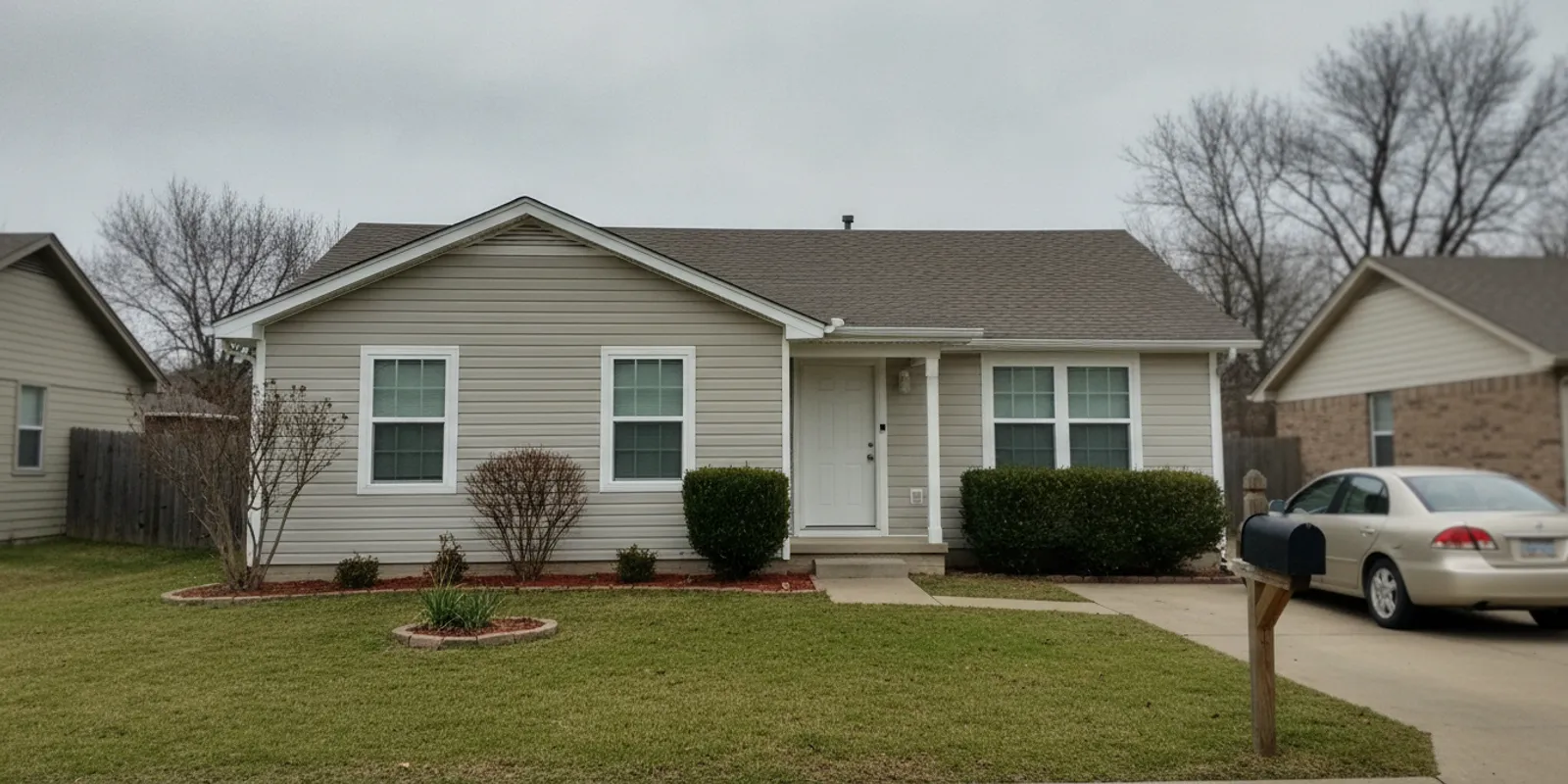

Can you paint vinyl siding? In many cases, yes. A sound, clean, properly prepared vinyl surface can accept a compatible exterior coating, but paint is not a cure for cracked panels, trapped moisture, or siding that has reached the end of its useful condition. The right decision depends on the siding’s state, the color you want, the product instructions, and how much preparation the exterior needs.
Call to discuss your siding options
Painting may refresh a faded exterior without removing every panel. It also requires careful product selection and application because vinyl changes dimension as temperatures rise and fall. This guide explains how to assess the siding, plan the work, avoid common mistakes, and decide when a repair or replacement conversation makes more sense. For Oklahoma City homeowners comparing exterior contractors, our guide to vinyl siding specialists offers a related starting point.
When is painting vinyl siding a reasonable option?
Painting is worth considering when the existing siding is generally intact and firmly attached, but its color has faded or no longer suits the home. A coating can change the appearance of sound panels; it cannot restore their original shape, replace missing material, or correct what is happening behind them.
Walk around the exterior and look for more than color. Check for panels that are cracked, loose, buckled, unusually brittle, or pulling away from trim. Look near windows, doors, corners, and other transitions for signs of water entry or damaged caulking. If you can see staining, soft material, or other evidence of moisture behind the siding, determine the cause before covering the surface with paint.
One damaged panel does not automatically mean the whole exterior needs replacement. A repair may address a limited problem, while painting the remaining sound siding could still be an option. But widespread damage, recurring water concerns, or panels that are badly distorted call for a closer assessment. Paint can make a surface look more uniform while leaving the underlying defect untouched.
Consider the outcome you expect, too. Paint can refresh the look, but the finished appearance depends on the siding’s condition, the cleanliness of the surface, the color selected, and the quality of application. If you want a substantially different exterior profile, new trim details, or a resolution to ongoing panel problems, painting may not accomplish your goal.
What should you inspect before choosing paint?
Do a methodical visual check before buying coating or starting prep. Examine each wall from a safe position. Pay particular attention to shaded or damp areas, places where roof runoff lands, and edges around openings. Do not climb onto an unsafe ladder or remove panels just to inspect; a qualified contractor can evaluate concerns that are not visible from the ground.
- Cracks and holes: Note how many there are and whether they are isolated or spread across several elevations. Paint will not bridge a sound repair or make a cracked panel whole.
- Warping or buckling: Look for sections that no longer lie flat. Heat exposure, installation problems, impact, or movement may be involved, and a coating will not correct the shape.
- Loose panels and trim: Identify pieces that have shifted or separated. Determine whether they can be resecured or need replacement before any coating is applied.
- Moisture clues: Look for persistent discoloration, deteriorated trim, or water staining around openings. Find and address the source rather than simply painting over the visible mark.
- Surface condition: Check for chalky residue, grime, algae, mildew, or peeling coating from an earlier paint job. Each requires the right cleaning or surface preparation.
- Access and obstacles: Note landscaping, decks, utility equipment, and tight spaces that could make cleaning, masking, or even coverage difficult.
Where the condition is uncertain, get an assessment before committing to paint. Photographing specific problem areas can make it easier to explain what you see and compare recommendations. A contractor should be able to distinguish cosmetic fading from damage that needs a repair or further investigation.
How do you choose a coating and color?
Use an exterior paint specifically labeled as suitable for vinyl siding, and follow the coating manufacturer’s full instructions. Many products intended for this use are acrylic or latex formulations, but the product label—not a general rule of thumb—should determine compatibility, preparation, application conditions, and the number of coats. Do not assume an interior paint or a coating meant for a different substrate will perform the same way.
Check the siding maker’s guidance as well. Some manufacturers set conditions for repainting or describe how paint may affect product coverage. If the siding is still under a manufacturer warranty, review its terms before starting. Keep the product information and any written guidance with the home records. The Vinyl Siding Institute is an industry resource for consumer information; for a specific home, confirm the actual siding and coating instructions with their respective manufacturers.
Color deserves special attention. Vinyl can expand and contract as its temperature changes. A darker color may absorb more heat than a light original surface, so it is important not to choose a coating color without checking whether it is approved for the specific siding. Some paint makers identify colors or products as suitable for vinyl; follow that guidance rather than relying on the color chip alone. A darker finish that is not compatible with the siding can contribute to heat-related distortion.
Compare sample colors in the light around the house and consider how they relate to the roof, trim, brick, stone, and neighboring surfaces. The color can appear different on a large sunlit wall than it does on a small sample. If possible, test a modest, inconspicuous area using the complete recommended system and wait for it to dry before deciding. Confirm the chosen color is approved for the siding before applying it to the whole exterior.
Do not make a coating choice based only on a claim that it is “for all surfaces.” Check that the label explicitly includes vinyl siding, then review its requirements for cleaning, primer, temperature, moisture, application method, and drying between coats. When the instructions are unclear or conflict with the siding maker’s advice, ask the manufacturer or a qualified painting professional before proceeding.
How should vinyl siding be prepared?
Preparation is a major part of the work. Dirt, chalk, biological growth, and loose material can interfere with adhesion and leave an uneven finish. The aim is a clean, sound surface—not to force water behind the siding or damage the panels while cleaning them.
- Repair first. Replace or repair damaged sections and address loose trim or other defects. Investigate any suspected moisture issue before painting. Let repairs and cleaned surfaces dry as the product instructions require.
- Remove surface contamination. Wash away ordinary dirt and residue using a cleaning method compatible with the siding and coating. A soft brush and appropriate cleaner may be suitable. If using a pressure washer, follow the equipment and siding guidance, use a conservative approach, and avoid directing water upward or into seams. Excessive pressure or the wrong angle can force water behind panels or cause damage.
- Handle mildew carefully. Use a cleaner intended for the material and follow its label. Never mix cleaning products. Protect nearby plants and surfaces as directed, and rinse completely if the instructions call for it.
- Rinse and allow the wall to dry. Residue left behind may affect the finish. Do not paint a damp surface or work when weather conditions fall outside the coating label’s limits.
- Protect surrounding areas. Cover or mask windows, doors, fixtures, paving, plants, and surfaces that should not receive paint. Plan access so the work can proceed safely and consistently.
- Prime only as directed. Some systems call for primer in specific situations; others may not. Follow the chosen coating system and the siding maker’s guidance rather than adding a primer automatically.
Do not sand aggressively or use a method that gouges, melts, or deforms the vinyl. If an older coating is flaking, find out what it is and what safe removal method is appropriate before disturbing it. A professional can help assess conditions that are beyond routine washing or touch-up.
Good preparation also includes choosing a suitable day. Temperature, direct sun, humidity, wind, and rain can affect application and drying. Use the exact conditions and recoat intervals on the product label. A wall that is baking in direct sun may not be an appropriate work surface even if the air temperature seems comfortable.
What is a careful application process?
Start by reading the product instructions from beginning to end. Confirm the approved surface, tools, coverage, application conditions, and drying or recoat interval. Stir and handle the product as directed. Do not thin it or combine it with another coating unless the manufacturer explicitly permits that.
Apply an even coat without filling the gaps that allow siding panels to move. Vinyl cladding is assembled in overlapping courses, and it needs room for normal expansion and contraction. Do not caulk panel overlaps or paint in a way that bonds moving edges together. Keep drainage paths and intended openings clear. If you are unsure which edges must remain free, ask the siding or coating manufacturer before proceeding.
Work in manageable sections and maintain a consistent wet edge, following the product’s application guidance. Avoid heavy buildup, runs, and trying to hide a rough surface by applying extra material. If a second coat is specified or needed, wait for the instructed interval and check that the first coat is ready. Inspect the work in changing light after it dries, when missed areas and uneven coverage are easier to spot.
Spraying can cover broad siding surfaces efficiently, but it requires masking and attention to overspray. Brushing or rolling may be useful in certain areas or for detail work, depending on the product. The label should state which methods are permitted. Either way, protect nearby vehicles, windows, plants, and neighboring property from drifting paint, and avoid working in wind that makes control difficult.
Do not treat the manufacturer’s stated drying time as permission to expose fresh paint to every weather condition. The label may specify limits for rain, dew, temperature, or recoating. Plan the work around the instructions and pause if conditions change. No general guide can guarantee how long a project will take because surface preparation, repairs, access, and weather vary from house to house.
Paint, repair, or replace: how do the options compare?
These choices address different problems. Painting changes appearance on a suitable surface. Repair addresses a localized defect. Replacement removes and renews siding when damage or the desired change is more extensive. The table is a decision aid, not a substitute for inspecting the actual exterior.
| Option | May make sense when | Does not solve | What to confirm |
|---|---|---|---|
| Paint | Panels are sound and the main goal is a color or appearance refresh. | Cracks, loose panels, moisture sources, or distorted siding. | Coating compatibility, color approval, surface preparation, and warranty terms. |
| Repair | Damage is limited to identifiable panels, trim, or a localized area. | Widespread deterioration or a broader water-management problem. | Cause of damage, matching material, and whether surrounding sections are sound. |
| Replace | Damage is extensive, persistent, or the owner wants a new siding system or profile. | Any underlying wall or moisture issue that is not investigated and corrected. | Scope, material, trim and transition details, disposal, and written estimate. |
When comparing the cost of these options, avoid treating a broad online range as a quote for your home. The amount of preparation, number of elevations, access, repairs, coating system, and local site conditions can change the work involved. Ask for an itemized scope that makes clear what is included and which repairs are separate. The article about factors that affect siding cost can help frame the questions to ask.
A useful decision question is: “If the siding were already the color I wanted, would I still be concerned about its condition?” If the answer is yes, identify those concerns first. Paint should be considered after functional problems have been assessed, not used to conceal them.
When may replacement be a better fit?
Replacement may be more appropriate when the siding has extensive cracking, repeated loose or buckled areas, or damage that keeps returning. It can also be worth exploring when moisture issues point to a concern behind the visible cladding, or when the owner wants a different profile or a broader exterior update. A proper evaluation should explain what is damaged, what can be repaired, and why any proposed replacement scope is necessary.
Before deciding, ask whether the visible problem is confined to the siding or whether adjacent components need attention. Window and door trim, flashing, gutters, roof edges, and wall transitions can all affect how the exterior handles water. Replacing cladding without identifying a source of water intrusion may leave the underlying problem in place. Conversely, a cosmetic issue alone does not automatically prove that the full exterior must be replaced.
Ask for photographs or a written explanation of the observed condition, the proposed work, and what is excluded. If the recommendation is to replace large areas, ask which sections are affected and whether a repair alternative is practical. A clear comparison helps you understand the decision without relying on pressure or a generic “paint versus replace” rule.
For a broader look at contractor selection in the area, review the Oklahoma City siding contractor guide. For a limited repair question, the guide to removing vinyl siding explains why careful removal matters; panel handling and repair are not always straightforward do-it-yourself tasks.
How can you plan the work without overlooking details?
Before work begins, write down what you want the project to accomplish. Is the main goal to update a faded color, make the trim and siding look more coordinated, or address a visible maintenance concern? Separate appearance goals from repair needs. That simple distinction helps prevent a cosmetic coating from being treated as the answer to a functional problem.
Then make a short condition record. Photograph each wall, note the locations of cracks or loose sections, and list any places where water staining or peeling has appeared. Include details around windows, doors, corners, roof-to-wall transitions, and downspouts. These notes do not diagnose the cause, but they give you a practical checklist for a contractor’s visit and a way to compare the before-and-after condition.
Ask the contractor to walk through the proposed scope in the same order the work will happen: inspection, repairs, washing, drying, masking, any primer, application, cleanup, and final review. Ask who supplies the paint and how the product and color will be confirmed. If there are repairs, clarify whether they are included or handled as a separate item. A written scope reduces the chance that you and the contractor are making different assumptions about preparation.
Think through access and protection as well. Move items away from the house where practical and discuss how furniture, grills, planters, vehicles, and landscaping will be protected. Make sure windows and exterior doors can be secured while the work is underway. If there are pets or residents who need an accessible entrance, include that in the conversation. Discuss safe access near electrical equipment or other obstacles rather than assuming every area can be reached in the same way.
Finally, agree on how changes will be communicated. Preparation may reveal a damaged panel or a condition that was not visible during the first walk-around. Ask the contractor to pause and explain the finding, show it where possible, and describe options and any change to the written scope before proceeding. That gives you a chance to make an informed decision instead of discovering afterward that the work differed from what you expected.
These planning steps are useful whether you do the painting yourself or hire help. A careful DIY approach still needs safe access, compatible materials, thorough preparation, and compliance with every product instruction. If the house has steep or difficult access, extensive repairs, uncertain moisture conditions, or a coating that is failing, professional evaluation can help define the work before you commit to a method.
How do you care for painted siding afterward?
After the coating has cured according to its label, keep the product details and color information for future touch-ups. Record the manufacturer, product name, color, and application date. Save the siding warranty and any guidance received from the manufacturer. If a panel is later damaged, this information can help a repair professional determine how to approach a replacement or touch-up without guessing at the original materials.
Keep the exterior free of avoidable buildup using cleaning methods that are safe for both the siding and coating. Use the product maker’s maintenance guidance, and do not assume aggressive scrubbing or high-pressure washing is appropriate. Inspect the walls periodically for loose panels, new cracks, peeling, or persistent moisture marks. A change in appearance may be cosmetic, but a recurring stain or a section that shifts deserves attention to its cause.
Do not use paint as a substitute for maintaining gutters, directing runoff, or addressing failed transitions around openings. Water management and siding condition are related, but one painted surface cannot correct a leak source elsewhere. If you notice a new defect, document it and seek advice before applying a quick coat that could make the problem harder to evaluate.
What should you ask before hiring a painter?
Whether you hire a painting contractor or ask a siding contractor to assess the exterior, make sure the conversation covers the surface—not just the color. Useful questions include:
- How will you check for loose, cracked, warped, or moisture-affected areas before painting?
- Which paint product is approved for this vinyl siding, and where do its instructions confirm that?
- Is the proposed color considered suitable for this siding and coating system?
- What cleaning method will be used, and how will water be kept out of laps and openings?
- Which repairs, masking, primer, coats, and cleanup are included in the written scope?
- How will you protect windows, landscaping, fixtures, and nearby surfaces from overspray?
- What weather and surface conditions must be met before application?
- Could painting affect a siding warranty, and what should I review with the manufacturer?
- How will damaged panels or newly discovered conditions be handled if they change the scope?
Ask for product names and written instructions rather than accepting only a verbal description such as “standard exterior paint.” Confirm the coating and color yourself against the product data. A clear proposal should describe preparation and repairs, because those steps can be just as important as the final coat.
OKC Roofers describes its work as siding and exterior restoration for property owners in the Oklahoma City area. A consultation can help clarify whether your question is about the siding’s condition, a repair, or a larger replacement decision; the actual recommendation should be based on the property and documented findings.
Call to discuss a siding consultation
Should you paint the siding yourself or hire a professional?
A homeowner may be able to handle a small, accessible area when the siding is sound, the surface is straightforward to clean, and the coating instructions are clear. Before taking on the whole exterior, consider the scale of the preparation, the tools required, and how safely you can reach every wall. The work is more than applying color: cleaning, protecting surrounding surfaces, correcting minor defects, and maintaining consistent coverage all affect the result.
DIY work should stop short of unsafe ladder use, work near electrical hazards, or attempts to diagnose hidden water damage by removing components without a plan. Do not work from an unstable surface or improvise access equipment. If a section cannot be reached safely from the ground or approved equipment, get help from a qualified professional. Paint overspray can also travel farther than expected, so consider wind, vehicles, windows, and adjoining property before opening a sprayer.
Hiring a professional can be useful when the project covers several elevations, the existing coating is failing, repairs are needed, or access and masking are complex. Ask the contractor to describe the product system and why it suits vinyl. Request that the preparation and repair steps appear in writing, not just a promise to “paint the house.” Confirm who is responsible for moving or protecting belongings and how unexpected repairs will be discussed.
Compare proposals by scope rather than by the final number alone. One proposal may include repairs, more extensive cleaning, primer where required, or a particular coating system, while another may leave those items out. Ask each contractor to identify the areas included, the products proposed, the number of coats, and how the work will be reviewed when complete. A comparable written scope makes it easier to understand differences.
Whether the work is DIY or contracted, keep the decision grounded in the siding’s condition. If an inspection finds sound panels and the goal is mainly a color refresh, painting may be a reasonable path. If the inspection identifies multiple damaged areas or a moisture concern, resolve that question before deciding how much coating work makes sense.
Frequently asked questions
Can vinyl siding be painted more than once?
It may be possible to repaint previously painted vinyl, but the condition and adhesion of the existing coating matter. Peeling, heavy buildup, or an unknown prior product can change the preparation needed. Check the siding and paint maker’s instructions, and have a professional evaluate a failing coating before applying another layer.
Does painting vinyl siding void its warranty?
There is no single answer for every siding product or warranty. Read the warranty terms and contact the siding manufacturer about repainting, color restrictions, and approved coatings. Keep the response and product documentation with your home records. Do not assume a general paint recommendation overrides the specific warranty.
Can I paint vinyl siding a darker color?
Do not assume that any darker shade is appropriate. Darker colors can absorb more heat, and the suitability depends on the siding and coating system. Select only a color and product that the relevant manufacturer identifies as compatible with your siding; otherwise, choose another approved color.
Can paint cover cracked or faded vinyl?
Paint can change the color of a sound surface, but it does not repair cracks or restore a damaged panel. Fading alone may be cosmetic, while cracking, warping, or separation needs assessment. Repair or replace affected pieces before considering a coating for the remaining sound siding.
Make the decision after checking the siding
Painting vinyl siding can be a practical appearance update when the existing panels are in good condition and the coating and color are compatible. The safest plan begins with an honest inspection, repairs and cleaning where needed, and careful adherence to product instructions. If the exterior has widespread damage or unresolved moisture concerns, get those evaluated before choosing a finish. A documented assessment can help you decide whether paint, a targeted repair, or replacement fits the home.