
Planning solar panels roof installation Oklahoma City homeowners should begin with the roof itself, not with a panel layout. Solar equipment is intended to remain in place for years, so a roof that needs repair or replacement can affect the timing, scope, and long-term practicality of the project. This guide explains how to check readiness, coordinate the roofing and solar decisions, and identify the questions that deserve a site-specific answer.
Call to request a free roof inspection
What does roof readiness mean before solar panels?
A roof is ready for a solar project only when its condition, layout, and supporting structure make sense for the planned equipment and its expected service life. “Ready” is not a single age threshold or a promise that panels can fit on every roof. It is a practical decision made from the actual roof, the proposed system, and the requirements of the solar installer and relevant authorities.
For a homeowner, readiness usually means answering four broad questions. Is the roof in sound condition? Is there a suitable area with enough useful exposure and limited obstruction? Can the roof framing support the proposed system as designed? And have the roofing, solar, electrical, utility, and permitting steps been coordinated so that one contractor’s work does not undermine another’s?
A roof inspection can help identify visible concerns and document what should be discussed before installation. It does not replace the solar company’s system design, an engineer’s evaluation where needed, or a local review of permits and utility requirements. Each professional has a distinct role. Getting those roles clear early can reduce avoidable changes after the project is underway.
Why should you check the roof before choosing a solar layout?
Solar panels are usually attached through a mounting system that transfers forces to the roof structure. The system also has to interface with the roofing material and maintain protection from water. A roof with worn shingles, deteriorated flashing, soft areas, or prior repairs may need attention before equipment covers portions of it. If those conditions are discovered after panel placement, accessing the affected roof areas can become more complicated.
Starting with roof condition also helps avoid designing a solar system around a roof that may soon need major work. Removing and reinstalling panels to complete roofing work can add coordination and cost. The exact implications depend on the solar agreement, the mounting system, the roof scope, and who is responsible for removal and reinstallation. Ask for those details in writing rather than assuming they are included.
Early review is useful even when the roof appears relatively new. The installer needs accurate information about roofing material, roof planes, penetrations, shading, and any known repairs. A qualified roofer can assess visible roofing conditions and explain whether repair or replacement questions should be resolved before a solar contract is finalized. Neither a quick look from the yard nor the age of the roof alone can establish complete project readiness.
How can you judge whether the roof may need work first?
Begin with what is known about the roof, then request a professional assessment. Gather any past invoices, installation documents, warranty records, repair notes, and photographs. If you do not know the roof’s age or materials, say so. Guessing can lead to a plan based on the wrong assumptions.
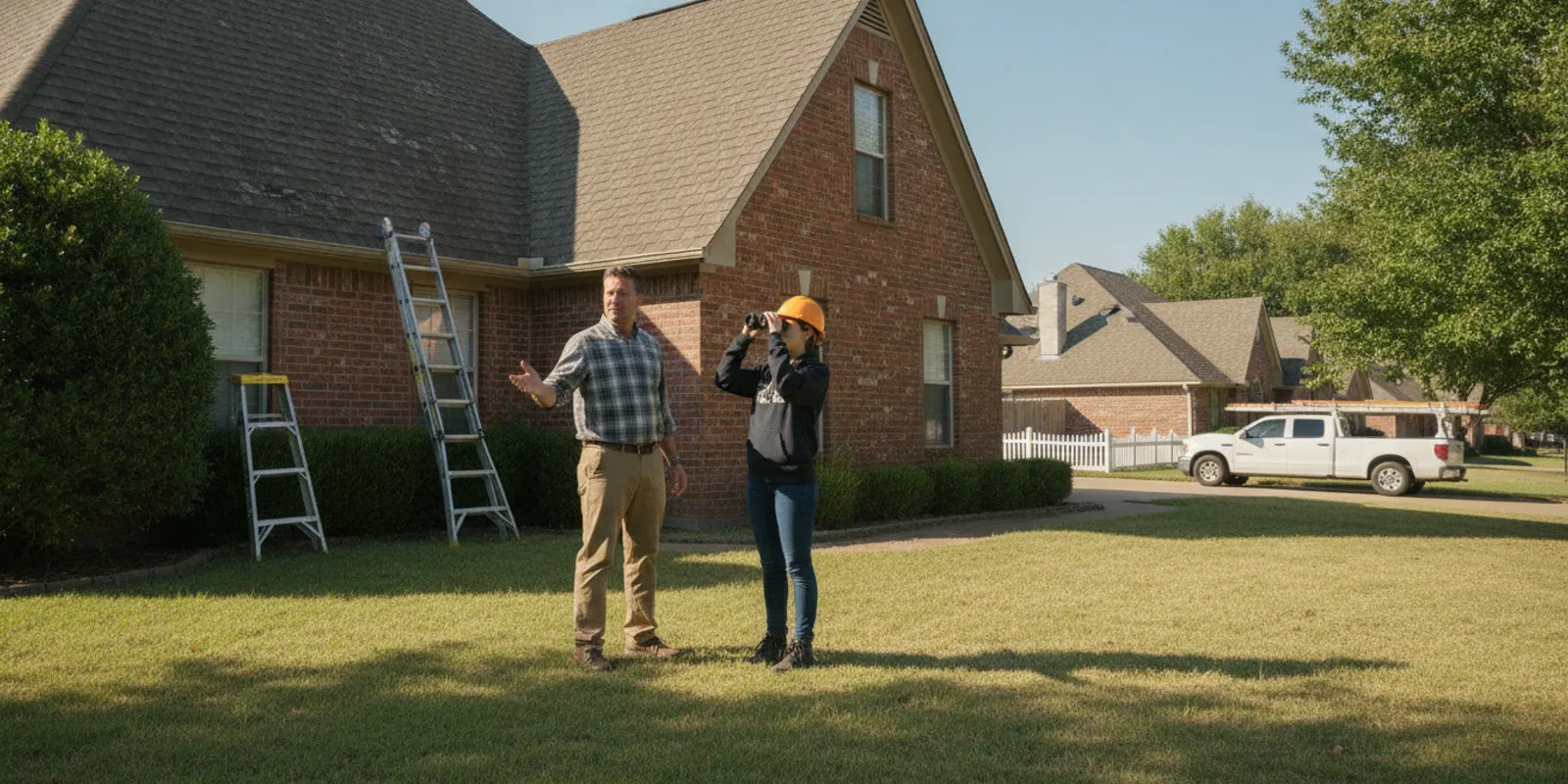
Inside the home, note water stains, musty odors, bubbling paint, or areas where moisture has appeared. These signs do not prove that a roof is failing; plumbing, ventilation, and other building issues can produce similar symptoms. Still, they are useful to share during an inspection. Outside, look from a safe location for missing, lifted, cracked, or visibly uneven roofing, damaged flashing, sagging areas, and debris or drainage problems. Do not climb onto a roof to investigate. Walking on roofing can be unsafe and may damage the surface.
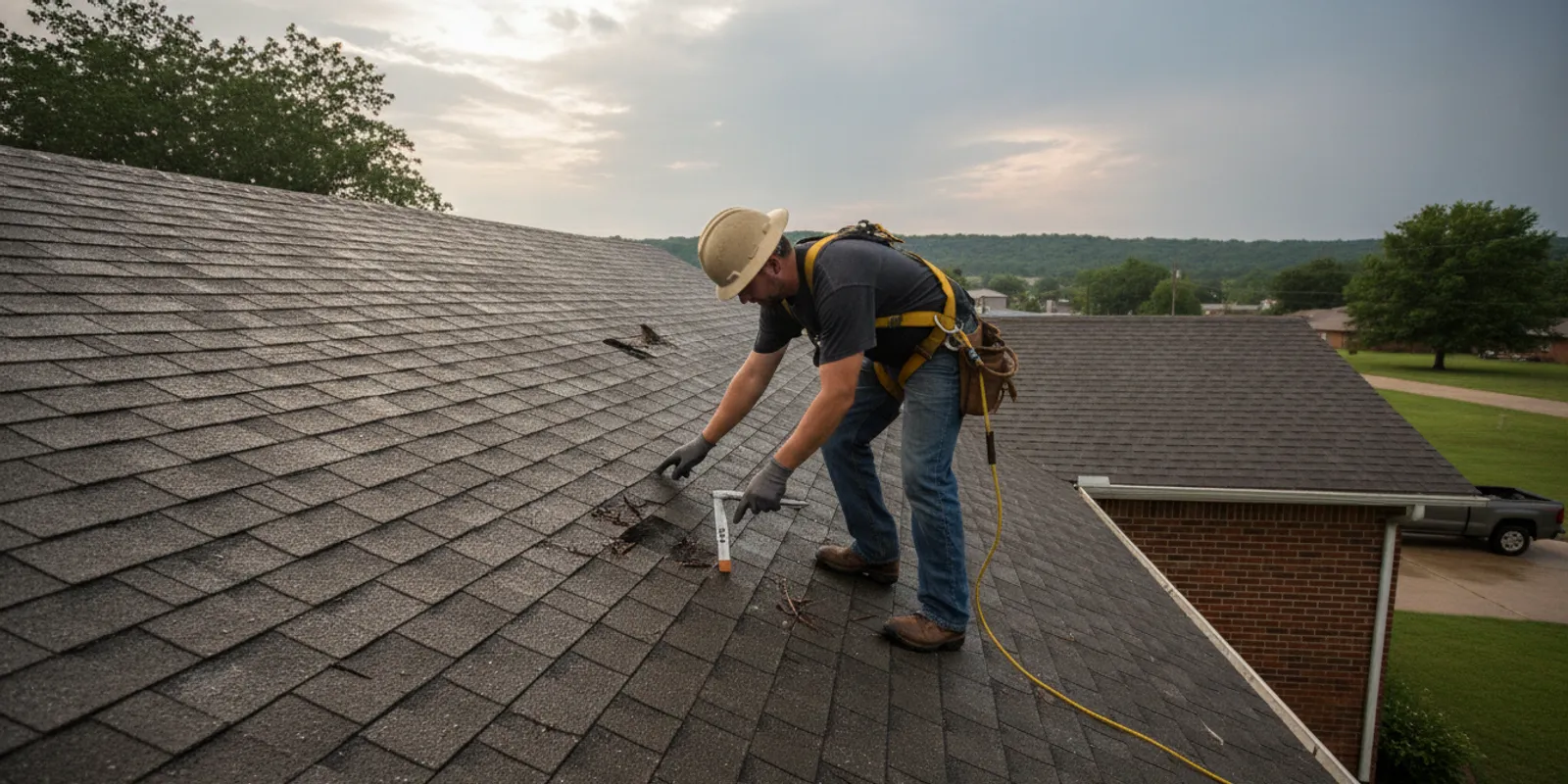
Ask the inspector to distinguish urgent concerns from routine maintenance and from conditions that should be monitored. Request photographs and an explanation of where each observation is located. A useful report gives you something to compare with the solar installer’s proposed attachment points and layout. If the report identifies a concern under a planned panel area, ask both professionals how it should be resolved before installation.
Some signs are not visible from the ground. A roof can look uniform from the street while having aging materials, earlier repairs, or concealed moisture concerns. The reverse is also possible: a few surface marks may look alarming but have a limited scope. The point of an inspection is not to diagnose every building system from one glance; it is to make observations specific enough to support the next decision.
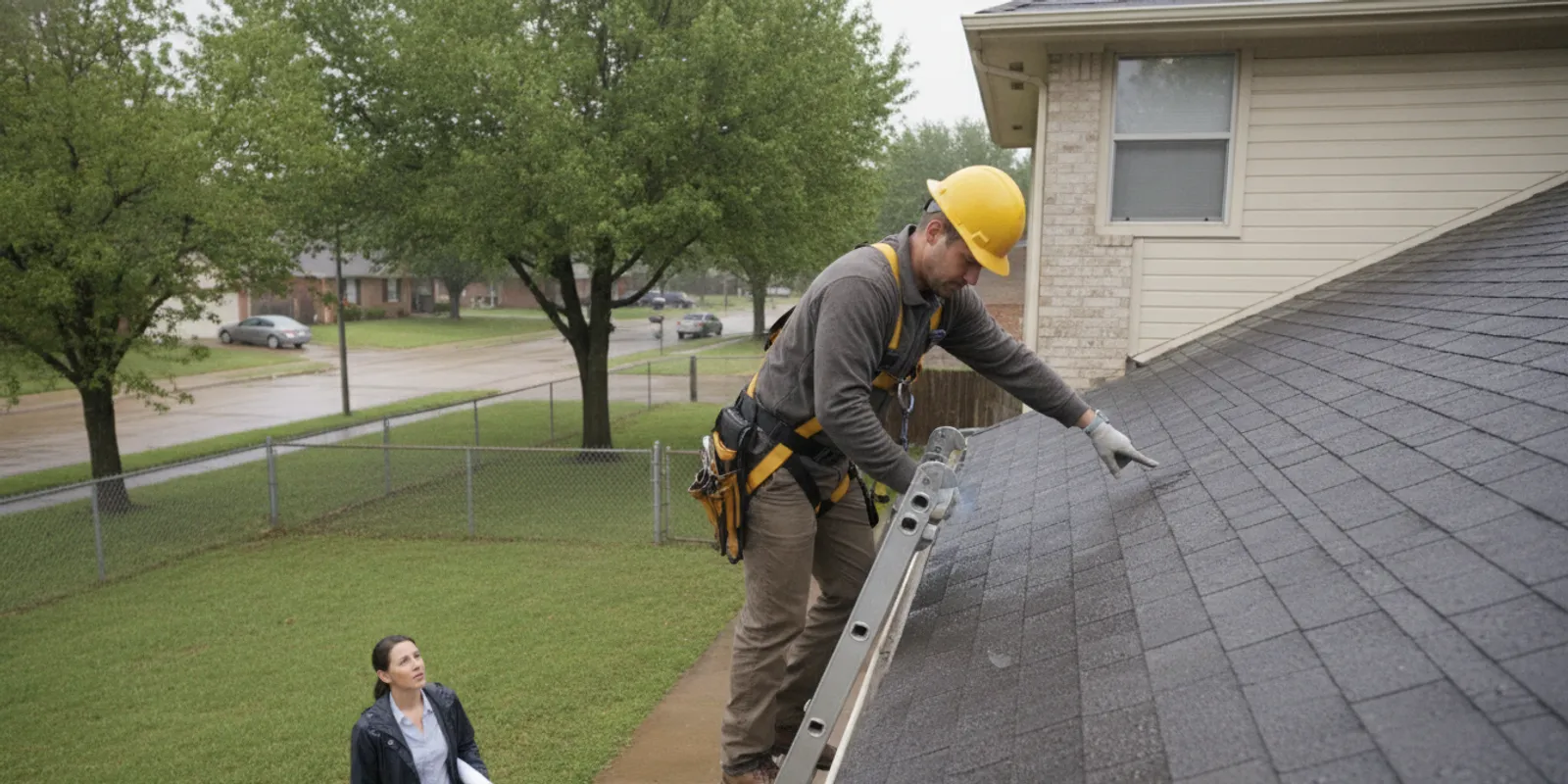
OKC Roofers describes a free inspection with photos and a report. You can review the company’s overview of what a roof inspection may involve as you prepare questions. The actual findings depend on the roof and the inspection scope. A written report is a starting point for coordination, not a solar-system approval or structural certification.
Does roof age determine whether solar panels make sense?
Age is relevant, but it is not a complete condition assessment. Roofing materials, installation quality, maintenance history, exposure, past storm damage, and ventilation can all affect how a roof is performing. Two roofs installed in the same year can have different conditions. A single age figure cannot reveal whether a particular roof has sound flashing, secure attachment areas, or hidden damage.
Ask when the roof was installed and what records support that date. If the records are unavailable, tell the inspector rather than treating an estimate as a fact. Then ask what the observed condition means for the proposed project. Is a repair needed in a specific area? Is replacement worth considering before panels are attached? Which roof components would the solar mounting system intersect? The answers should be tied to the actual inspection and a system design, not to a universal age rule.
Think about the roof’s expected remaining service life alongside the planned length of solar ownership. If roofing work is likely to be needed relatively soon, compare the practical choices: complete the roof work first, proceed with a limited repair if appropriate, or ask the solar provider about how future panel removal and reinstallation would be handled. Each path has tradeoffs. The right one depends on the roof’s condition, system design, contract terms, and household plans.
Do not take a salesperson’s general statement about roof age as a substitute for an inspection or written scope. Equally, do not assume that an older roof must be replaced without an evaluation. Ask for a clear explanation of the observations, the options, and the consequences of proceeding or waiting. A property-specific recommendation should identify the conditions it relies on.
What roof details affect a solar panel layout?
The solar installer typically evaluates roof planes, orientation, available area, shade, obstructions, and the location of equipment and wiring. Chimneys, vents, plumbing stacks, skylights, valleys, ridges, and existing rooftop equipment may limit or shape the layout. Trees and nearby structures may cast shade that changes system design. These factors need to be assessed for the particular home; a satellite image or a neighbor’s panel arrangement cannot settle every detail.
Roof pitch and geometry matter to the mounting design and access. The number of roof planes may influence how a system is arranged, while dormers, hips, valleys, and unusual transitions can reduce uninterrupted space. The roofing professional can describe the roof’s shape and condition. The solar designer should explain the proposed panel locations and the reason for them. Ask for a layout drawing that can be compared with the roof inspection photographs.
Existing penetrations deserve attention because each one is part of the roof’s water-management system. The installer should explain how its mounting and wiring details interface with the roofing, and who is responsible for flashing or sealing each roof penetration. Ask what happens if a mounting point lands near an existing repair, roof transition, or area the inspector flagged. “The installation crew will handle it” is not enough detail if the work scope and responsibility are unclear.
Ventilation and drainage also deserve a look. Solar equipment should not block a component that needs to remain accessible or change how water flows across the roof. The professionals should identify clearances and any roof features that need to remain unobstructed. Do not move vents or other components based on an informal assumption. Changes to roof or mechanical elements should be planned by the appropriate professional and reflected in the project documents.
The final layout may change after a site visit, engineering review, permitting process, or utility review. Before signing, ask whether the proposal is a preliminary design or a confirmed plan, what conditions could change it, and how changes affect the agreement. A clear distinction between an initial estimate and a final approved design helps you understand what has and has not been established.
Can an Oklahoma City roof support solar panels?
Whether a roof can support a particular solar system is a structural question that must be answered for the home and the proposed equipment. A roofer’s visual inspection can identify visible roof concerns, but it should not be presented as a structural load calculation unless that specific professional is qualified and the evaluation is included in the scope. The solar installer should explain its structural review process and whether a structural professional or additional documentation is needed.
Ask who verifies the roof framing and how the system’s weight and attachment forces are considered. The answer may depend on the plans, the building, the mounting method, and the authority reviewing the project. If an engineer’s review is required or recommended, ask who arranges it, what it covers, and whether it is part of the agreement. Do not treat a generic statement that panels are lightweight as proof that a particular roof is suitable.
Previous remodeling can matter. Additions, vaulted ceilings, roof alterations, repairs, or changes to framing may affect what records exist and what must be examined. Tell the solar installer and roofer about known work and share documents if available. If the home has unusual framing or a history of structural concerns, raise that early so the project team can decide whether further review is needed.
Building reviews and permitting are separate from a contractor’s assessment. Confirm with the solar provider which permits, inspections, utility approvals, and documentation apply to the project and who handles each step. Rules and procedures can vary by jurisdiction and can change. This article does not establish a current Oklahoma City permit checklist; verify the requirements for your address with the appropriate authority and project professionals before work begins.
What should homeowners know about Oklahoma weather?
In the Oklahoma City area, homeowners plan for a mix of seasonal conditions, including strong sun, wind, rain, and occasional severe storms. Solar equipment and roofing both remain exposed to the elements, so installation details and product specifications matter. Ask the solar installer to explain how its equipment and mounting system are rated for the conditions relevant to the project, and ask the roofer how the attachment approach will preserve the roof’s water-shedding function.
Hail deserves a practical conversation, not an assumption that one material or panel type is immune to damage. Ask the solar provider what product documentation applies, what damage is covered by the manufacturer’s terms, and how a future roof or panel inspection would work after a storm. Ask who to contact if roofing and solar components are both affected. Read the actual warranty and service documents; verbal summaries may leave out exclusions, maintenance requirements, or claim procedures.
Wind exposure and driving rain make attachment and flashing details important. The solar company should identify the mounting system and explain how it is installed. The roofing contractor should be able to discuss the roof surface and the importance of appropriate penetrations and flashing. Avoid broad assurances such as “weatherproof forever.” Ask for the installation instructions, warranty terms, and the name of the party responsible for addressing a leak related to the solar work.
After severe weather, use caution. From the ground, you may be able to see displaced materials or damaged equipment, but do not climb onto the roof or touch electrical components. Follow the solar provider’s safety instructions and contact the appropriate qualified professionals. If water is entering the home, protect people and belongings where safe to do so, document visible interior damage, and seek prompt professional guidance. A roof inspection is not a substitute for emergency response or electrical safety procedures.
Should you replace the roof before installing solar?
There is no one answer for every home. Replacement before solar may make sense when an inspection documents widespread deterioration, when the roof is near the end of its useful service, or when needed repairs would be difficult to complete after panels are installed. It may not be necessary when the roof is in suitable condition for the planned project. The decision should be based on documented roof findings and a clear explanation from both the roofing contractor and solar provider.
Compare the choices in terms of scope, access, disruption, warranties, and responsibility. If you install solar first, ask how the panels will be handled if roofing work becomes necessary later. Find out whether removal and reinstallation are included, who performs them, what they cost under the contract, how long the work may take, and how the system’s warranties are affected. Do not assume a solar warranty includes roofing work or that a roofing warranty covers work performed by another company.
If you replace the roof first, make sure the roofing scope is established before the solar layout is finalized. Tell the roofer that solar is planned. Ask whether the proposed roof materials and details are compatible with the solar mounting approach, while recognizing that the solar installer must confirm the equipment and attachment requirements. Coordinate any roof penetrations, conduit routes, and layout restrictions before the roofing work starts, where possible.
For a replacement, ask for a written scope that states what is being removed, repaired, or installed; how concealed damage is handled; and which components are included. Roofing cost depends on the property and scope, so an online range cannot establish the cost of your project. OKC Roofers has a guide to roof replacement cost in Oklahoma City; use it for general context, then request an onsite inspection for an accurate, property-specific estimate.
Also compare the timing and coordination provisions in both contracts. A solar proposal may have design, approval, or equipment steps that affect when work can occur. A roofing proposal may have its own scope and scheduling process. Ask who communicates changes between the teams, what happens if weather or an inspection reveals additional work, and how you will approve any revised scope. Avoid relying on a promised completion date before the project details and conditions are confirmed.
How do roof material and condition affect planning?
Different roofing materials require different attachment details, flashing approaches, and installer experience. Asphalt shingles, metal roofing, tile, and membrane roofs are not interchangeable surfaces. The solar installer should identify the mounting system intended for the material on your home and explain how the system is integrated. The roofing professional should be able to review the roof material and point out conditions that could affect installation or water management.
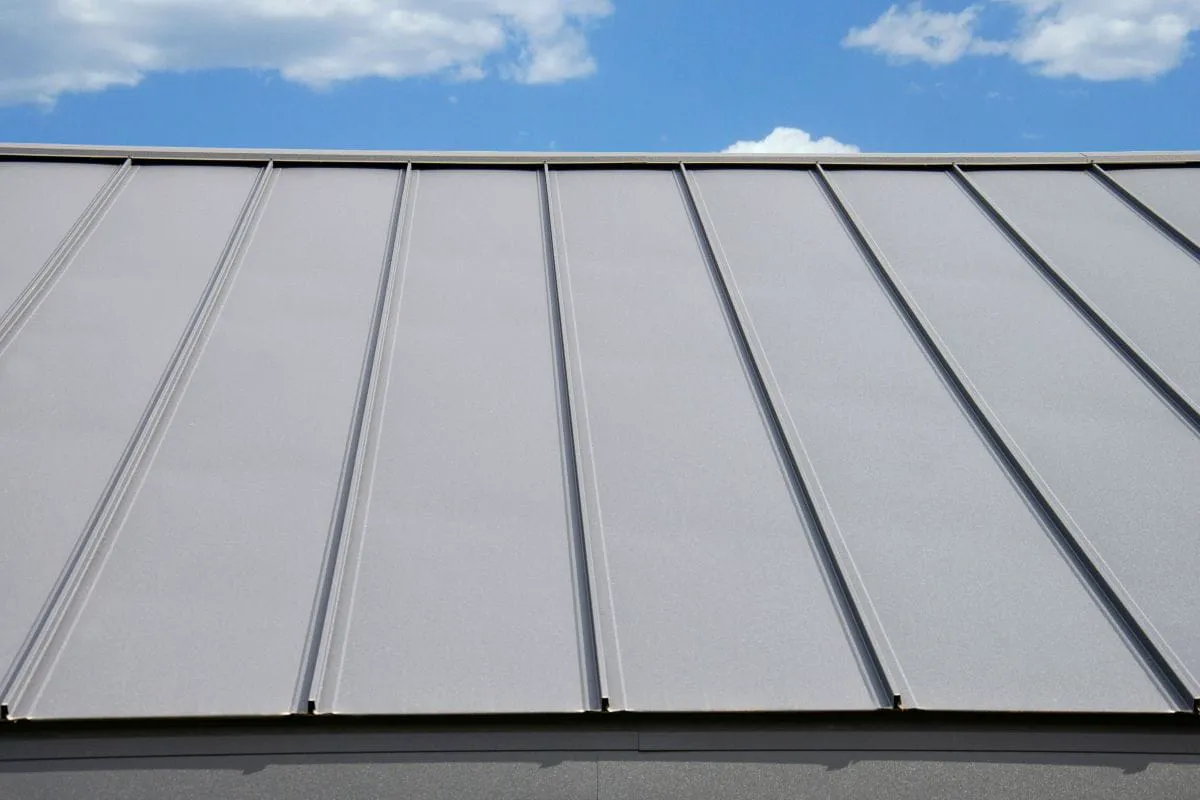
On a shingle roof, ask whether the attachment method requires penetrations, how flashing is installed, and how the installer avoids damaging surrounding shingles. On metal roofing, ask how the mounting system is suited to the specific panel profile and whether it requires penetrations. On tile or another specialty surface, ask who is qualified to work with that material and how breakage or replacement pieces are handled. These are questions to resolve with the actual installers, not universal instructions for a do-it-yourself project.
Repairs and previous attachments should be disclosed. If the roof has had a leak, patch, reroof, satellite dish, or other equipment removed, share that history and any photographs or invoices. Ask whether those areas are appropriate for new mounting points. A prior repair might be sound, but its appearance alone may not establish how it was completed or whether it is compatible with a new system.
If a roof has multiple materials or sections of different ages, the project team should assess each relevant area rather than treating the whole roof as uniform. A detached garage, addition, or porch may have a different structure and roofing system from the main house. Make sure the proposed panel layout identifies the actual roof plane and building section, and that each part is included in the relevant review.
How should you coordinate the roofer and solar installer?
Start by naming a point of contact for each company and asking how they will exchange project information. One company should not be expected to know the other’s scope unless the parties have actually communicated. Share roof inspection findings, photographs, roof plans if available, the proposed panel layout, mounting details, and any known repair history with the professionals who need them.
Clarify responsibilities in writing. Who assesses roof condition? Who designs the system? Who confirms structural suitability? Who obtains permits and utility approvals? Who makes roof penetrations? Who supplies and installs flashing? Who repairs roofing damage caused during solar work? Who removes and reinstalls the equipment for future roofing work? Who responds if a leak appears after installation? A simple responsibility list can reveal gaps before they become disputes.
Ask whether the roofer and solar installer will review the same plans before work starts. If the mounting positions change, the roof inspection raises a new concern, or the solar design is revised, find out who updates the documents and who must approve the change. Keep copies of the final plans, permits, inspection records, warranties, photographs, and invoices together. Those records can help a future roofer or service provider understand what was installed and where.
Do not assume that a verbal handoff is enough. The contracts should state the work each party is responsible for and identify exclusions. If one contractor recommends a repair and the other says it is unnecessary, ask them to explain the difference based on the same documented roof condition. You may need an additional qualified opinion. The homeowner should not be left to reconcile technical disagreements without a clear written account of the issue and options.
Also ask how the work area will be protected and how the finished roof will be checked. Confirm who documents the installation and what inspection takes place before the system is activated. The details vary by project, so the answer should come from the contractors and applicable authorities. Preserve photographs taken before and after work, including roof areas that will be difficult to see once panels are in place.
What should you ask before signing a solar agreement?
Review the proposal slowly. Understand whether it is a preliminary design or a final scope, what equipment is included, what assumptions remain, and what circumstances could change the design or cost. Ask for a written explanation of system size, panel locations, attachment method, wiring route, and any work needed on the roof. You do not need to be an engineer to ask the provider to make those details understandable.
- What roof condition information was used to prepare this proposal?
- Who confirms the roof’s suitability and structural support for this specific system?
- What roof penetrations or modifications are planned, and how will they be flashed?
- Which permits, inspections, and utility approvals are needed, and who is responsible for each?
- What roof repairs or replacement are excluded from the solar agreement?
- How are removal and reinstallation handled if the roof needs work later?
- Which warranty covers the panels, mounting equipment, electrical work, and roof interface?
- How do I report a leak or storm damage, and who determines which contractor should respond?
- What happens if the design or roof scope changes after a site inspection?
Read the warranty documents themselves. Identify the provider, what is covered, the length of coverage, exclusions, required maintenance, and the process for making a service request. Ask whether roof repairs by another contractor affect any part of the solar warranty. Ask whether solar work affects the roofing warranty and what steps are required to preserve it. Do not assume one warranty overrides another.
Financing, incentives, utility arrangements, and tax questions should be confirmed with the relevant provider or qualified adviser. These details can change and depend on individual circumstances. Avoid making a decision based only on a monthly payment or a general savings claim. Request the assumptions behind projected production and savings, including any utility rates or system performance estimates, and compare them with the written terms you would sign.
What should you ask a roofer during a solar-readiness inspection?
A useful inspection conversation begins with the goal: you are evaluating roof readiness for a proposed solar project. Explain whether you already have a solar proposal, share the design if you do, and tell the inspector what you know about roof age, leaks, repairs, and prior equipment. This context can focus the discussion on the relevant areas without turning a roofing visit into a solar design appointment.
Ask the inspector to show you the condition observations that matter most. Which areas need repair, if any? Are there signs of a leak or prior patch? Are the proposed mounting areas clear of known roof concerns? Are there penetrations or transitions that the solar installer should review? What information cannot be confirmed visually? A careful answer distinguishes observed facts from assumptions and describes any next step for unresolved questions.
Ask what the inspection includes and what it does not include. A roof inspection is not automatically a structural engineering review, electrical inspection, system design, or guarantee of future performance. It may not expose every concealed condition. Knowing these limits helps you use the report appropriately and identify when to ask another professional for a separate evaluation.
Request the findings in writing, preferably with labeled photographs and a clear description of locations. If repair work is recommended, ask for a written scope that explains the affected area and the work proposed. If replacement is discussed, request an onsite estimate based on your property rather than relying on an online figure. You can then provide the relevant records to the solar installer and ask how they affect the project.
OKC Roofers describes its free inspection as including photos and a report. An inspection can provide documentation to help you understand a roof’s visible condition; it does not determine solar equipment selection, system output, utility approval, or claim outcomes. Keep the focus on the roof questions in scope and have the solar provider address system-specific matters.
What happens if the roof needs repair after panels are installed?
Future roof work may require temporary removal or repositioning of panels, depending on the location and scope. The process can involve scheduling the solar company or another qualified provider, protecting equipment, completing the roof work, and reinstalling or testing the system. The contract determines which services are available and who pays for them. Before installation, ask for this process in writing instead of waiting until a leak or repair need occurs.
Keep a record of the equipment model, layout, mounting system, installer contact information, warranty terms, permits, and final inspection documents. Photograph the roof before installation and retain images of the completed work. A future roofer may need to understand where mounts and wiring are located and which areas can be accessed. Organized records make it easier to ask informed questions and reduce reliance on memory.
If you notice water intrusion, do not assume the source is the nearest panel or mounting point. Water can travel along roof components and appear inside at a different location. Document visible symptoms safely, contact the solar provider and roofing professional as appropriate, and ask for an inspection that identifies the source before authorizing work. Keep written records of findings and any proposed repairs.
Warranty claims and insurance questions depend on the documents and facts of the specific event. Review the applicable terms and contact the responsible provider or insurer. A contractor can document observed conditions, but no one should promise an insurance decision or coverage outcome. If weather has damaged both the roof and solar equipment, make sure qualified professionals assess each component and explain the boundaries of their work.
Should you choose a standard solar panel system or a solar roof?
These are different project types. A conventional solar panel system adds equipment above an existing roof. A solar roof integrates solar-producing components into the roof surface as part of a more specialized system. They can differ in design, installation requirements, availability, cost, repair approach, and the professionals involved. Compare actual proposals and current product documentation rather than treating the terms as interchangeable.
OKC Roofers’ company materials market Tesla Solar Roof. That is a specific product category and should not be read as a blanket statement that the company installs every conventional solar panel system. The scope of any current offering, qualifications, availability, and project responsibilities should be confirmed directly with the company before relying on it. This article is a roof-readiness guide, not a representation that OKC Roofers is the solar installer for a conventional photovoltaic panel project.
For a standard panel system, ask which solar company performs design and installation, what roofing work it includes, and how it coordinates with your roofer. For an integrated solar roof, ask which company supplies and installs the roofing and energy components, how repairs are handled, and what warranty applies to each part. In either case, confirm the roof assessment, structural review, permitting, utility process, and post-installation service in writing.
Consider the full ownership picture, not only how the roof looks. Ask about maintenance, monitoring, repair access, replacement components, system downtime, and how a future roof repair affects energy equipment. The right comparison is based on the home, current proposals, and your priorities. A neighbor’s experience may prompt useful questions but cannot establish what is suitable for your property.
What information should you gather before a site visit?
A short preparation packet can make the conversations with roofing and solar professionals more specific. You do not need every document to request an inspection, and missing records should not stop you from asking questions. The goal is to separate what you know from what still needs to be verified, so a proposal is not built on assumptions that could change later.
Start with the property basics: the home’s address, approximate roof age if known, roofing material if known, and any areas where leaks or repairs have occurred. Add dates and locations when you can. Note whether the home has an addition, detached garage, skylights, attic access, or visible rooftop equipment. These details can help the professionals understand the building before or during a visit, but they do not replace their own site review.
Gather available roofing paperwork, including previous scopes, invoices, warranty documents, inspection photos, and notes about storm repairs. If an insurer or other party has inspected the roof in the past, keep the report separate from contractor assessments and identify who prepared each document. One report may describe a particular date or limited purpose; it should not be treated as a current evaluation without checking conditions again.
If you have a solar proposal, include its layout, equipment list, preliminary drawings, attachment details, warranty documents, and any written assumptions. Ask the solar provider whether the design is based on a remote review or a site visit. Mark the proposed panel areas on a copy of the roof plan or layout if you have one, but do not alter the roof or move equipment to match an illustration. The installer should confirm locations at the property.
Write down questions and unresolved points before the visit. For example: “Has the roof condition been assessed in the proposed panel areas?” “Who checks the framing?” “Are any repairs required before attachment?” “Who will manage future panel removal if roofing work is needed?” “Which permits and approvals have not yet been confirmed?” Specific questions make it easier to compare two explanations and follow up after the meeting.
After each conversation, save the date, company contact, documents received, and decisions made. Ask the professional to correct any misunderstanding in writing. If two documents use different names for a roof section or proposed repair, request a labeled photo or drawing that identifies the location. A clear record is especially useful when roofing and solar work are handled by separate companies.
How can you avoid common planning mistakes?
The most avoidable mistake is treating the roof and solar equipment as separate projects that never need to be coordinated. They meet at the roof surface, so the people responsible for each scope need to understand the other’s plans. Share inspection records and layout drawings, confirm attachment details, and write down who handles each part of the work.
Another mistake is relying on a single general statement: “the roof is fine,” “the panels are light,” or “the system is weatherproof.” Ask what information supports the statement and what it does not cover. A visual roof review, structural assessment, solar design, and permit approval answer different questions. If a contractor cannot explain which step has been completed, request clarification before committing.
Do not sign based on an incomplete layout or an unclear responsibility for future roof work. Ask what is still preliminary, which assumptions could change, how adjustments are approved, and what removal or reinstallation may involve. Read warranties and scope exclusions. Save the documents in one place so you can find them when you need service later.
Do not climb onto the roof or perform electrical work to verify an installation. Use qualified professionals and follow their safety directions. Do not alter or disconnect solar equipment yourself. If there is an immediate safety concern, contact the appropriate emergency or utility provider. A homeowner’s role is to ask questions, preserve documentation, and make sure the relevant professionals address the issue.
Finally, avoid treating online cost figures as a quote for your property. Roof area, pitch, material, tear-off, repair needs, access, and project details all affect roofing scope. Solar-system costs depend on equipment and design, among other factors. Request written, itemized proposals for the actual home and compare what each one includes, excludes, and assumes.
What is a practical sequence for planning?
- Collect the roof history. Find installation or repair records, warranties, photos, and any notes about leaks or storm damage. If information is missing, record that as unknown.
- Request a roof assessment. Explain that solar is being considered and share any proposed layout. Ask for documented observations, photos, and a clear distinction between visible roof findings and questions outside the inspection scope.
- Ask the solar provider for a site-specific design. Confirm roof planes, obstructions, proposed attachment locations, wiring route, structural review, and which parts of the plan remain preliminary.
- Resolve roof work before installation. If repair or replacement is recommended, compare the written roofing scope with the solar design and decide how the projects will be sequenced.
- Confirm approvals and responsibilities. Verify permits, inspections, utility steps, and the person responsible for each item. Do not assume that one contractor is handling approvals unless the agreement says so.
- Review agreements and warranties. Check exclusions, roof penetrations, service contacts, future removal and reinstallation, and how system or roof changes are approved.
- Keep final records. Save permits, plans, inspection reports, product details, warranties, invoices, and before-and-after photos for future maintenance and service.
This sequence is a planning framework, not a promise of a particular approval or completion date. A specific project may require additional steps or a different order. Ask the professionals to explain what applies to your address and system.
Call to discuss a free roof inspection
Frequently asked questions
Can I install solar panels on an older roof?
Possibly, but age alone cannot establish suitability. Have the roof condition assessed and ask the solar provider to explain its structural and attachment review for the proposed system. If repairs or replacement may be needed soon, compare the cost and coordination of doing that work before installation with the written terms for future panel removal and reinstallation.
Does a roof inspection confirm that solar panels can be installed?
No. A roofing inspection can document visible roof conditions and identify questions about repairs or replacement. It does not automatically provide a solar layout, structural engineering evaluation, electrical review, permit, or utility approval. The solar provider and any other required professionals must complete their parts of the project review.
Will installing solar panels void my roof warranty?
It depends on the applicable roofing warranty, the installation details, and the terms of the solar work. Read the documents and ask the roofing and solar providers to explain in writing how attachments, penetrations, repairs by other contractors, and future panel removal affect coverage. Do not rely on a general verbal assurance.
Should roofing work happen before or after solar installation?
If an inspection identifies roof work that should be completed, homeowners often evaluate that scope before solar equipment is attached. The appropriate sequence depends on the documented condition, the design, and both contracts. Have the roofing contractor and solar provider compare the same plans and confirm their responsibilities before work begins.
Does OKC Roofers install conventional solar panels?
Company materials market Tesla Solar Roof, a specific integrated solar roof product. That does not establish that OKC Roofers installs conventional solar panel systems. Confirm the current service scope and the responsible installer directly with the company and any solar provider you are considering.
Plan around the roof you actually have
For solar panels roof installation Oklahoma City homeowners can make better decisions by combining a documented roof assessment with a site-specific solar design and clear written responsibilities. Resolve roof condition questions early, compare the project scopes, and save the plans and warranty records. A free roof inspection can help you understand visible roof conditions before you decide on the next step, while the solar installer addresses system design and approvals for your property.