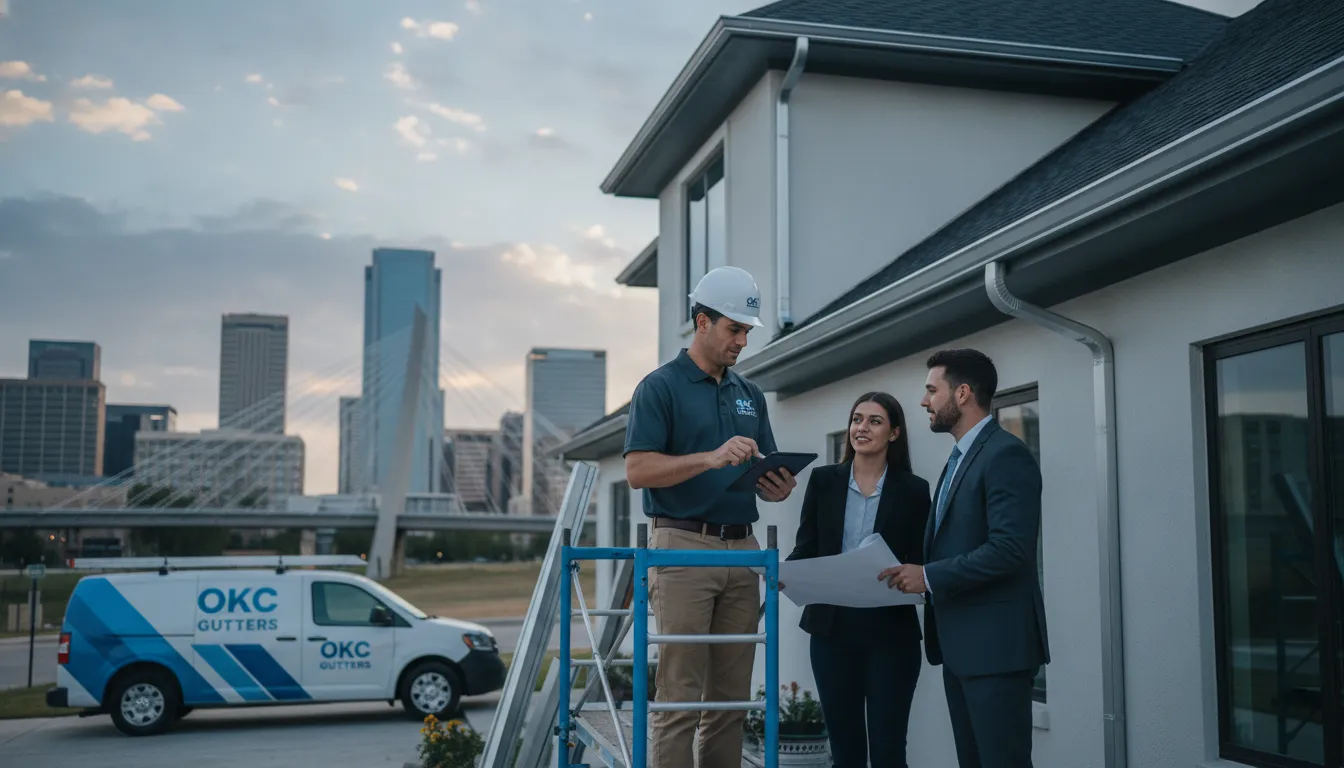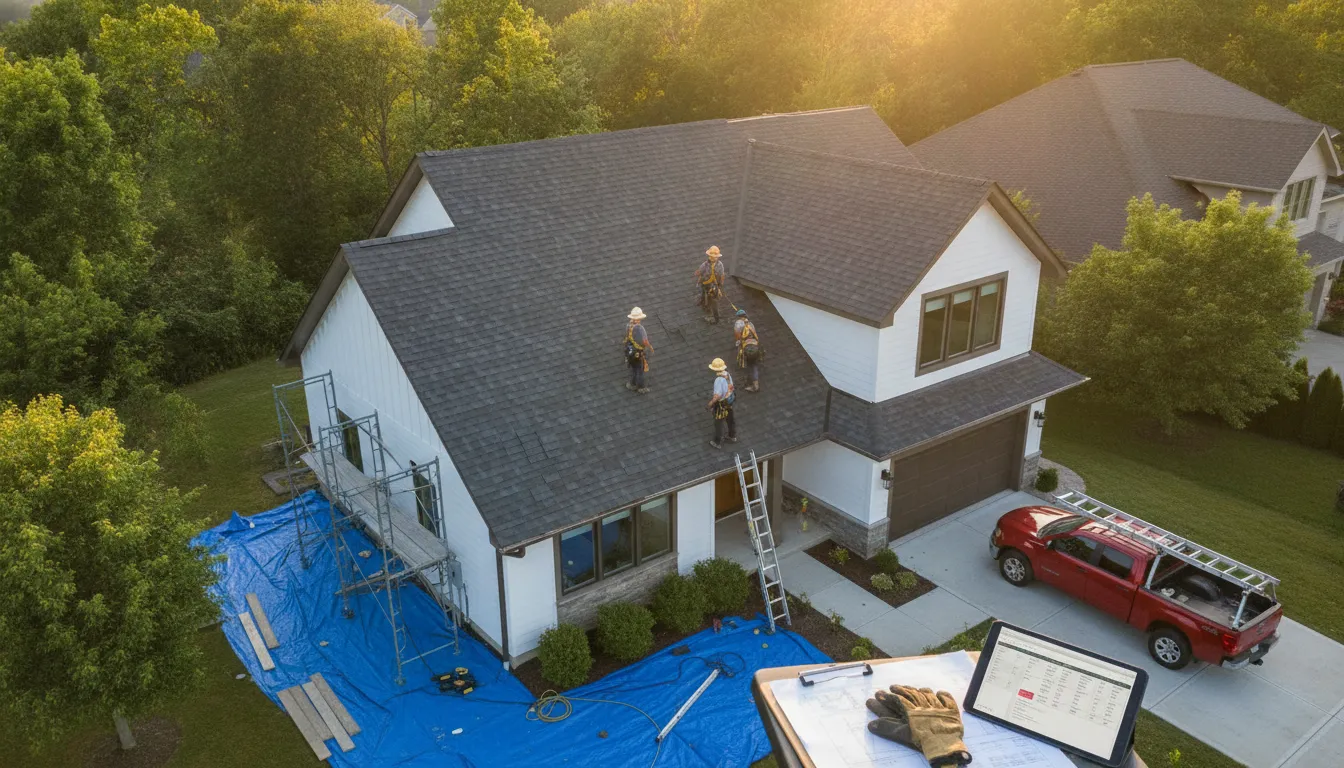

A ceiling stain does not always mean the repair will be simple. Water can travel beneath shingles and along rafters before appearing inside your home, leaving damage in places you cannot see. That is why your roof repair cost may change after a contractor examines the attic, decking, flashing, and underlayment. Oklahoma City homes also face wind, hail, heat, heavy rain, and falling branches, all of which can affect roofing materials in different ways. Before approving work, learn what contributes to a repair estimate, what questions to ask, and when replacement may be more practical than another patch.
Key Takeaways
- Roof repair prices vary by project: Damage type, roofing material, roof age, accessibility, labor, and hidden moisture all influence the final cost.
- An in-person inspection provides clarity: A professional can locate the true source of damage, assess underlying components, and explain whether repair or replacement is the better option.
- Prepare before approving work: Request an itemized estimate, document storm damage from the ground, review insurance coverage, compare contractors, and ask about warranties, financing, and emergency service.
What Is the Average Roof Repair Cost in Oklahoma City?
Roof repair costs in Oklahoma City vary because no two roofs have the same materials, damage, age, or access conditions. A small repair may cost a few hundred dollars, while widespread storm damage or structural problems can cost several thousand dollars. As a broad estimate, homeowners may pay around $900 for a roof repair, although the final price depends on the inspection findings and scope of work. SquareDash’s roof repair cost guide offers a helpful general reference, but local prices can differ.
The most reliable way to determine your cost is to schedule an in-person inspection. A contractor must identify whether the visible issue is the entire problem or only the first sign of hidden damage. For example, one missing shingle may point to damaged underlayment, decking, or flashing beneath it. OKC Roofers offers roof repair services in Oklahoma City and can evaluate the source of the problem before recommending a repair or replacement.
Compare minor, moderate, and major repair costs
Minor roof repairs generally cost about $300 to $600. This range may cover replacing a few missing shingles, sealing a small flashing gap, repairing a pipe boot, or fixing a limited leak. Even a short repair may include a minimum service charge for travel, setup, inspection time, and safety equipment.
Moderate repairs often range from $600 to $1,500. These projects may involve multiple damaged areas, a larger leak, several flashing repairs, or partial replacement of underlayment and decking. Difficult roof access, steep slopes, and water damage in the attic can increase the total.
Major repairs may cost $3,000 or more when they involve extensive storm damage, structural repairs, or several roof sections. If the roof has widespread deterioration or recurring leaks, a replacement may make more financial sense than continuing with isolated repairs. A professional roof replacement assessment can help you compare both options.
Review minimum charges, labor rates, and cost per roofing square
Many roofing contractors apply a minimum charge, which may begin around $300. This fee can cover travel, inspection time, setup, safety equipment, and basic labor. Labor rates may range from approximately $45 to $120 per hour, depending on the contractor, project complexity, crew experience, and local demand. Tri-Link Contracting’s roofing cost guide provides additional context for labor and service pricing.
Roofing contractors use the term “square” to describe 100 square feet of roofing material. This measurement is more common for replacement work than for small repairs. Asphalt roofing may cost roughly $3.50 to $6 per square foot, or about $350 to $600 per roofing square, before tear-off, decking repairs, permits, and disposal. Repair estimates may instead combine material quantities, labor hours, and the size of the damaged area.
See what basic roof repair prices include and exclude
A basic repair estimate may include labor, standard replacement materials, removal of damaged shingles, new underlayment, and sealing around the affected area. Depending on the problem, it may also include limited repairs to flashing, vents, pipe boots, or roof decking. The estimate should clearly identify the repair location and describe how the contractor plans to correct it.
Ask what the price excludes before approving the work. Wet insulation, hidden decking damage, interior ceiling repairs, upgraded materials, extensive tear-off, structural work, and permit fees may cost extra. Specialty roofing materials can also raise the price if the existing product is difficult to match or no longer manufactured.
Request written approval before the scope changes. If a contractor discovers additional damage after work begins, the revised estimate should explain the new materials, labor, and warranty coverage. This step helps prevent confusion when the final invoice arrives.
Learn why inspections beat online calculators
Online calculators can help you understand broad price ranges, but they cannot evaluate your roof’s actual condition. They may not account for roof pitch, difficult access, hidden moisture, previous repairs, or the difference between a cosmetic issue and an active leak. Resources such as Homewyse’s storm-damaged roofing calculator are useful for general planning, not as a substitute for a contractor’s estimate.
A professional inspection can identify the damage source and check nearby areas for related problems. OKC Roofers provides a free 18-point inspection to help homeowners understand whether they need a minor repair, more extensive work, or a replacement consultation. A documented inspection also gives you useful information when comparing estimates or discussing possible insurance coverage.
Spot early warning signs to control repair costs
Small roof problems usually cost less to address than damage left through several storms. Look for missing, cracked, curling, or lifted shingles, exposed fasteners, rusted flashing, damaged vents, and granules collecting in the gutters. Dark stains or damp insulation in the attic may indicate that water is moving beneath the roof surface.
Inside your home, watch for water marks on ceilings, peeling paint, musty odors, or damp areas near exterior walls. A leak may not appear directly below the damaged section because water can travel along decking and framing before entering a room.
After strong wind or hail, schedule an inspection even if the roof appears intact from the ground. Prompt documentation and repairs may help limit interior damage and preserve evidence for an insurance claim. Avoid climbing onto the roof yourself, since damaged surfaces can be unstable and difficult to assess safely.
How Does Damage Type Affect Roof Repair Cost?
The type of damage is one of the biggest factors in a roof repair estimate. Replacing a few missing shingles may be relatively straightforward, while repairing water damage beneath the roof surface can involve insulation, decking, drywall, and structural components. In Oklahoma City, strong winds, hail, intense heat, and fallen branches can create several problems at once, especially after a severe storm.
The visible symptom does not always reveal the full extent of the damage. A ceiling stain, for example, may result from damaged flashing, a failed pipe boot, clogged gutters, or a leak farther up the roof. A professional inspection helps identify the source, determine whether the damage is isolated, and check nearby areas for related problems. OKC Roofers provides roof repair services for homeowners who need clear recommendations before approving the work.
When comparing estimates, look beyond the visible repair. Ask whether the price includes labor, materials, underlayment, decking, flashing, attic work, cleanup, and temporary protection. Understanding what caused the damage can also help prevent the same problem from returning.
Repair leaks, water intrusion, and ceiling damage
A roof leak rarely stays directly above the spot where water appears. Water can travel along rafters, insulation, and decking before reaching a ceiling, so the visible stain may be several feet from the damaged area. Even a small leak can affect insulation, drywall, framing, and personal belongings, according to SquareDash’s roof repair cost guide.
The final price depends on how far the water has traveled and whether the interior requires repairs. An estimate may include new shingles, underlayment, flashing, sealant, damaged decking, insulation, or drywall work. Homeowners should address active leaks promptly instead of painting over stains or placing a bucket beneath the drip without finding the source. A roofing contractor can inspect the roof and attic, locate the entry point, and recommend the least extensive repair that properly solves the problem.
Replace missing, cracked, lifted, or worn shingles
Individual shingle damage is common after Oklahoma windstorms. Shingles may crack from age and heat, lift when fasteners loosen, or blow away during high winds. If the surrounding roof remains in good condition, a contractor may replace only the affected shingles. Replacing one to three shingles typically costs about $150 to $300, while replacing four to 10 may range from $300 to $600, according to Tri-Link Contracting’s pricing guide.
Matching replacement shingles can affect the estimate. Older roofing may have faded, discontinued, or weathered materials that are difficult to blend with new products. The contractor may also find damaged underlayment or decking beneath the shingles. If damage is widespread or the roof has reached the end of its service life, replacement may be more practical than repeated patching. An inspection can help distinguish a limited repair from a sign of broader roof deterioration.
Fix flashing, vents, pipe boots, chimneys, and skylights
Roof penetrations create potential entry points for water. Flashing around chimneys, walls, skylights, vents, and valleys can corrode, loosen, or separate over time. Pipe boots may crack around plumbing vents, allowing water to reach the attic and ceiling below. SquareDash reports that flashing replacement may cost roughly $300 to $800, while pipe boot replacement can range from $150 to $400.
The price depends on accessibility, the condition of nearby roofing, and whether the penetration itself needs service. A skylight may require new flashing, sealant, or replacement of the unit. Chimney repairs can also involve masonry work in addition to roofing. Ask for an itemized estimate that identifies the failed component and explains whether the contractor plans to reseal, repair, or replace it. Correcting the source is important because applying sealant over failing materials may provide only a short-term fix.
Address wind, hail, and fallen-branch damage
Storm damage can range from lifted shingles to punctured roofing, broken vents, dented metal panels, or damaged decking. Wind damage repairs may cost about $500 to $3,000, while hail damage can range from $1,000 to more than $5,000, according to Tri-Link Contracting. These figures are general ranges, not quotes for a specific property.
Hail marks can be difficult to see from the ground, and wind may loosen materials without removing them completely. Fallen branches can damage the roof surface and underlying structure at the same time. After severe weather, photograph the property from a safe location and arrange a professional inspection. OKC Roofers offers storm damage services and can help homeowners organize information for an insurance claim. Avoid climbing onto the roof after a storm, since wet surfaces and hidden structural damage create fall hazards.
Clear clogged gutters, drainage backups, and ice dams
Blocked gutters and downspouts can cause water to collect along the roof edge. When drainage backs up, water may reach the fascia, soffit, underlayment, or interior walls. Clogged gutters can also allow water to back up beneath shingles and damage the fascia, which may add to the repair cost, as Econo Roofing explains.
A repair estimate may include gutter cleaning, downspout repairs, replacement sections, new flashing, or repairs to water-damaged wood. Oklahoma City homes generally experience fewer severe ice dams than homes in colder climates, but freezing conditions can still create drainage problems. Keeping gutters clear, checking downspout connections, and directing water away from the foundation can reduce recurring damage. If water continues to collect after cleaning, the roof may also have drainage, slope, flashing, or design issues that require a closer inspection.
Correct poor ventilation, moisture, and condensation damage
A roof can develop moisture damage even when no shingle is missing. Poor attic ventilation may trap heat and moisture, causing condensation beneath the roof deck. Over time, moisture can damage insulation, encourage mold growth, weaken wood, and shorten the life of roofing materials. Defend Roofing notes that poor ventilation can contribute to moisture buildup affecting roofing materials and insulation.
A repair may involve replacing damaged shingles or decking, clearing blocked soffit vents, adding ridge or intake ventilation, or improving attic insulation. Simply adding a roof vent without addressing the overall airflow pattern may not solve the issue. An inspection should determine whether the moisture comes from condensation, a plumbing leak, inadequate ventilation, or a combination of causes. Correcting the source matters as much as replacing the materials already affected.
Repair sagging decking, rot, trusses, and structural damage
Sagging areas require more attention than surface-level shingle repairs. A roof may sag because of rotted decking, long-term moisture exposure, overloaded materials, damaged rafters, or weakened trusses. Structural repairs can range from $1,500 to more than $5,000, according to SquareDash’s roofing cost information.
The contractor may need to remove roofing materials to inspect the framing and determine how far the damage extends. Repairs can include replacing sections of decking, reinforcing rafters, repairing trusses, or correcting the source of moisture. Do not walk on visibly sagging areas or attempt to cover them with a temporary patch. Structural problems can create safety risks and may worsen during another storm. If the roofline has changed noticeably, schedule an inspection promptly and ask whether the estimate includes an evaluation of the attic framing.
Find hidden attic, insulation, and sheathing damage
Some roof damage remains hidden until a contractor examines the attic or removes part of the roof covering. Moisture may soak insulation, stain sheathing, corrode fasteners, or weaken wood without creating an obvious interior leak. Roofing Calculator explains that concealed damage may not become apparent until old roofing materials are removed, which can lead to unexpected costs.
Ask whether the estimate includes an allowance for concealed damage and how additional work will be approved. A reliable contractor should document newly discovered problems with photos and explain the recommended repair before proceeding. The inspection should also consider attic insulation, ventilation, decking, and signs of prolonged moisture exposure. This process helps limit surprises while ensuring damaged materials are not left beneath an otherwise repaired roof. When comparing estimates, check whether each contractor has included the same potential areas of work.
How Does Roofing Material Affect Repair Cost?
Roofing material affects repair pricing because each system requires different products, tools, labor, and installation methods. A small repair on an asphalt shingle roof may involve replacing a few individual shingles. Similar damage on a slate, tile, or metal roof may require specialty materials and a contractor with specific experience.
Material availability also influences the estimate. Common roofing products are usually easier to source and match, while older, discontinued, or custom materials may require a larger repair area or special order. Oklahoma City homeowners should also consider how wind, hail, heat, and falling branches affect their roofing system.
During an inspection, a contractor should check more than the visible surface. Damage may extend to the underlayment, decking, flashing, ventilation, or framing. OKC Roofers offers roof repair services and can explain which materials need repair or replacement.
Repair and match asphalt shingles
Asphalt shingles are the most common residential roofing material, and repairs are often manageable because individual shingles can be removed and replaced. A contractor may replace shingles lifted by wind, repair hail-damaged areas, or reseal exposed fasteners and flashing.
Matching the existing roof can affect the final price. New shingles may differ from older ones in color, profile, and texture, even when they come from the same manufacturer. If the roof is weathered or near the end of its service life, a larger repair or replacement may provide better long-term value. This comparison of residential roofing materials explains why asphalt remains a practical choice for many homeowners.
Fix metal panels, fasteners, seams, and coatings
Metal roofing repairs often involve damaged panels, loose or rusted fasteners, open seams, failed sealants, or worn protective coatings. Hail and falling branches can dent panels, while wind may loosen connections around ridges, edges, and roof penetrations. If an exact panel is unavailable, the contractor may need to repair a larger section or use a compatible substitute.
Metal roofs can withstand strong winds and falling debris, and many systems provide excellent fire resistance. However, improper drilling, cutting, or sealing can create additional leak points. The Consumer Reports roofing guide provides helpful information about steel and aluminum roofing and their repair considerations.
Handle concrete and clay tile repairs
Concrete and clay tiles can last for decades, but individual tiles may crack or break because of hail, falling debris, foot traffic, or severe weather. Repairs generally involve removing the damaged pieces, checking the underlayment beneath them, and installing compatible replacements. The tile’s shape, color, thickness, and fastening method can all affect the cost.
Clay tile is heavier and more fragile than asphalt shingles, so repairs require careful handling and the right equipment. It also offers strong fire resistance and can be rated for high wind speeds. Because clay tile typically costs more upfront, replacement pieces and specialized labor may also increase the repair estimate. Allstate’s roofing material guide covers tile performance and insurance considerations.
Maintain and repair cedar shakes
Cedar shakes require more maintenance than many common roofing materials. Moisture, mold, mildew, insects, moss, and rot can damage the wood, particularly when leaves and debris remain on the roof or ventilation is inadequate. A repair may involve replacing individual shakes, treating nearby wood, improving drainage, or correcting the source of excess moisture.
Replacement shakes should match the existing roof in size, thickness, and grade. Homeowners may also need periodic cleaning, retreatment, and moss control to protect the material. A contractor should inspect the visible shakes and the roof deck below them, since surface damage may hide deeper decay. Prompt repairs can help keep an isolated problem from spreading.
Repair slate roofing with specialized labor
Slate roofs are durable and visually distinctive, but repairs often cost more because slate is heavy, fragile, and difficult to handle. A contractor must remove broken pieces without damaging nearby tiles, inspect the fasteners and underlayment, and install replacement slate correctly. Walking on the roof without proper equipment can cause additional cracks.
Labor accounts for a significant part of a slate repair estimate. Replacement pieces may also be difficult to find, especially when the roof is older or uses a particular slate color, thickness, or pattern. This guide to roofing material differences explains why slate repairs require specialized knowledge and careful installation.
Match underlayment, decking, flashing, and other materials
The visible roofing material is only one part of the complete roof system. A leak may involve the underlayment, roof decking, flashing, ventilation components, pipe boots, or sealants. Replacing shingles without repairing damaged flashing or rotted decking may leave the original leak source in place.
Costs can increase when hidden materials need replacement or when existing components no longer meet current installation requirements. Flashing around chimneys, skylights, walls, and valleys deserves particular attention because wind-driven rain can reach weak points. Allstate’s roofing insurance guidance notes that roof age, type, and material can affect rebuild and replacement estimates.
Replace aging or discontinued materials
Older roofs can cost more to repair when the original shingles, tiles, panels, or accessories are no longer manufactured. A contractor may need to locate reclaimed materials, order a close substitute, or repair a wider section to create a consistent appearance. Even when a match is available, weathered roofing may not blend perfectly with new products.
Aging materials may also point to broader wear, including brittle shingles, deteriorated sealants, weakened flashing, or damaged decking. Repeated spot repairs can become less practical when several components are nearing the end of their service life. An inspection and roof replacement evaluation can help you compare a repair with the long-term cost and reliability of replacing the roof.
What Factors Change a Roof Repair Cost Estimate?
A roof repair estimate reflects the full scope of the work, not just the size of a visible stain or the number of missing shingles. A contractor must identify the source of the problem, determine how far the damage extends, and check whether water has reached the decking, insulation, attic, or interior finishes. A small leak near a chimney, for example, may require more time and specialized work than a larger area of accessible shingle damage.
The roof’s material, age, pitch, height, and condition also affect the estimate. Labor rates, minimum service charges, material availability, permits, disposal, and seasonal demand can all change the final price. Oklahoma weather adds another consideration, since wind, hail, heat, and heavy rain can create damage that is difficult to see from the ground.
An in-person inspection gives you a clearer starting point than an online calculator. A roofing professional can examine the surface, flashing, penetrations, ventilation, attic, and surrounding exterior before recommending a repair. OKC Roofers provides free 18-point roof inspections to help homeowners understand the condition of their roof and the work required.
Ask for an itemized estimate that explains the damage, materials, labor, cleanup, warranty, and any possible additional work. This makes it easier to compare proposals and spot costs that may not appear in a basic price range.
Assess damage size, severity, location, and hidden conditions
The size of a damaged area affects the amount of material and labor required, but it does not tell the whole story. A small leak around a chimney, skylight, or plumbing vent may require careful removal and detail work. Water can also travel along the underside of the roof, causing the interior stain to appear several feet away from the actual entry point.
During an inspection, the contractor may look for wet insulation, damaged decking, deteriorated flashing, mold, rot, or weakened sheathing. These hidden conditions can expand the repair after the roof covering is opened. The type of roofing material matters as well, since each option has different repair methods and maintenance needs. This comparison of residential roofing materials explains why material selection can affect future repair and energy costs.
Account for labor rates, minimum charges, and contractor availability
Labor is a significant part of most roofing estimates. Industry pricing guidance reports that labor can represent about 60% of a roof replacement cost, and similar factors can affect smaller repairs. The estimate may include inspection time, setup, equipment, travel, removal, installation, and cleanup.
Many contractors also apply a minimum service charge. Sending a crew to a property involves transportation, insurance, tools, safety equipment, and administrative time, even when the repair involves only one vent boot or a few shingles. That means a small repair will not necessarily cost a proportional fraction of a larger project.
Availability can affect timing, particularly after a major Oklahoma storm. A roofing company may need to install temporary protection before returning with the correct materials for permanent repairs. Ask whether the estimate includes both visits, along with emergency service fees or additional charges for difficult scheduling.
Consider roof age, maintenance history, and previous repairs
Roof age helps determine whether a repair is a sensible investment. An isolated leak on a well-maintained roof may be practical to fix, while an older roof with brittle shingles, worn flashing, and several patches may have broader problems. Previous repairs can also reveal whether the same area has failed repeatedly.
Share any available records with the contractor, including past invoices, inspection reports, storm damage photos, and information about leaks or gutter maintenance. These details can help the inspector understand how the roof has performed and identify recurring issues.
Age alone does not automatically mean replacement is necessary. A relatively young roof with limited damage may need only a targeted repair. However, widespread wear, repeated leaks, or declining materials can make replacement more cost-effective over time. A professional roof repair inspection can help separate an isolated defect from a larger pattern of failure.
Prepare for Oklahoma wind, hail, heat, and storm exposure
Oklahoma roofs face strong wind, hail, intense sunlight, heavy rain, and frequent temperature changes. These conditions can loosen shingles, strip away protective granules, crack sealants, and weaken flashing. Fallen branches and other debris may puncture the roof or damage gutters, siding, windows, and vents at the same time.
Hail damage is not always visible from the ground. Small bruises, fractures, and granule loss can worsen during later storms, while wind may lift shingles without removing them entirely. A professional inspection can identify damage that a quick visual check misses.
Roofing material may also affect insurance considerations. Allstate’s roofing materials guidance explains that insurers may consider the roof’s age, type, and material when estimating repair or replacement costs. After severe weather, photograph visible damage from a safe location and schedule a storm damage inspection.
Include permits, code requirements, disposal, and cleanup
The final estimate may include more than labor and replacement materials. Depending on the project and local requirements, the contractor may need to account for permits, inspections, code updates, disposal, and job-site cleanup.
Opening the roof can reveal decking, ventilation, underlayment, or flashing that no longer meets current requirements. In some cases, these components must be updated rather than covered with a simple patch. Code-related work can raise the price, but it helps ensure the repair meets applicable safety standards.
Removal and cleanup also require time. Crews may need to haul away damaged shingles, wet insulation, broken decking, or storm debris. Ask whether the estimate includes disposal, magnetic nail pickup, protection for landscaping, and final cleanup. Storm-damage cost guidance notes that work required by current building codes can increase the final project price.
Factor in material availability, repair timing, and seasonal demand
The estimate can change when the required material is difficult to source. Older shingles may be discontinued, and current products may not match the existing color or profile. A contractor may need to order materials, locate a close match, or recommend replacing a larger section for a more consistent appearance.
Timing matters when the roof is actively leaking. Emergency work may begin with a tarp or temporary water protection before permanent repairs can be completed. Rain, high winds, cold temperatures, and extreme heat can also affect safe installation and scheduling.
Seasonal demand may lengthen wait times after hail or wind events. Before approving a project, ask whether the estimate includes temporary protection, delivery, a second visit, and weather-related delays. Local building codes and site conditions are also important cost factors, as explained in this roofing cost guide by location.
Compare residential and commercial roofing requirements
Residential and commercial repairs often involve different roof systems, materials, equipment, and access requirements. Homes commonly have sloped roofs covered with asphalt shingles, while commercial properties may use low-slope systems such as modified bitumen, built-up roofing, or single-ply membranes.
Commercial projects may cover a larger area and involve rooftop units, specialized equipment, drainage systems, and stricter scheduling requirements. Crews may need to work around employees, customers, inventory, or daily operations, adding coordination and preparation to the estimate.
Residential repairs can also require extra labor when a home has multiple roof levels, steep slopes, dormers, skylights, or attached structures. The estimate should reflect the actual roof system and access conditions rather than rely on a simple price per square. OKC Roofers provides roofing services for residential and commercial properties, including repairs, replacements, metal roofing, storm restoration, and related exterior work.
How Do Roof Size, Location, and Access Affect Repair Cost?
Roof repair estimates depend on more than the visible leak or a few missing shingles. Contractors also consider the size of the affected area, the roof’s design, how safely workers can reach the damage, and the property’s location. Two homes with similar storm damage may receive different estimates if one has a simple, single-story roof and the other has multiple levels, steep slopes, and several roof penetrations.
A detailed inspection helps identify these conditions before work begins. OKC Roofers offers a free 18-point roof inspection to evaluate visible damage, roofing components, and areas that may need closer attention. This creates a more accurate estimate than calculating costs from the number of damaged shingles alone.
Measure roof square footage and damaged areas
Roofing contractors often measure materials in “squares.” One roofing square equals 100 square feet of roof coverage. The total roof area helps determine how much material, underlayment, flashing, and labor a project may require, even when the damage affects only one section.
The damaged area matters just as much as the roof’s total size. A small, isolated repair may involve replacing a few shingles and checking the surrounding underlayment. A larger damaged section may require removing more roofing material, inspecting the decking, and blending new materials with the existing roof.
A contractor should also look beyond the first visible problem. Water can travel beneath shingles before entering the attic or appearing as a ceiling stain, so the affected area may extend beyond the original leak location. Accurate measurements help prevent an estimate from missing necessary work.
Account for roof pitch, height, stories, and access
A roof’s pitch, or slope, affects how safely and efficiently a crew can work. Steeper roofs generally require additional safety equipment, careful movement, and more time. A two-story home may also require more setup than a single-story property, especially when workers must move materials to an upper roof section.
Access around the home matters, too. Fences, landscaping, narrow driveways, detached garages, and limited equipment space can make setup more difficult. If a repair requires ladders, roof jacks, scaffolding, or specialized lifting equipment, those needs may affect the estimate.
A tall or steep roof does not automatically make a repair unusually expensive, but it can change labor and equipment requirements. A professional inspection accounts for these details and identifies a safe way to reach the damaged area, especially after severe weather leaves surfaces slippery or unstable.
Assess valleys, ridges, eaves, and roof penetrations
Roof geometry can affect both the location and complexity of a repair. Valleys collect and direct rainwater, so damaged shingles, failed flashing, or debris in these areas can lead to leaks. Ridges and eaves also require careful attention because they affect ventilation, drainage, and how roofing materials meet at the edges.
Roof penetrations are another common source of trouble. Vents, plumbing pipes, exhaust fans, and other components create openings that must be sealed correctly. A repair may involve more than replacing nearby shingles if the flashing or seal around the penetration has failed.
The surrounding materials may also need inspection. A contractor might have to remove shingles that appear intact to reach damaged flashing or underlayment below. Roofs with several valleys, unusual angles, or multiple additions can require more time to locate the source and complete a watertight repair.
Work around skylights, chimneys, solar panels, and other obstacles
Obstacles can make roof repairs more involved because crews must work around, remove, or protect them. Skylights and chimneys often require a close inspection of their flashing. If that flashing is integrated with the surrounding roofing, fixing the leak may require replacing a wider section than expected.
Solar panels can add another layer of coordination. Depending on the damage location, panels may need temporary removal and reinstallation by a qualified solar professional. Ask who will handle that work and whether the estimate includes the related labor before approving the project.
Roof-mounted equipment, satellite dishes, antennas, and decorative features can create similar access concerns. Landscaping and outdoor structures may affect material delivery and cleanup, too. When requesting roof repair in Oklahoma City, mention these obstacles so the contractor can plan the inspection and prepare a complete estimate.
Consider Oklahoma City metro travel distance and site conditions
Travel distance can affect scheduling, labor time, and the logistics of bringing materials and equipment to a property. A repair in central Oklahoma City may present different access conditions than one at a rural property outside the metro area. Long driveways, unpaved roads, gated entrances, and limited parking can add time to setup and cleanup.
Site conditions often change after severe weather. Wind and hail can leave loose shingles, broken branches, exposed decking, and debris across the property. Before climbing onto the roof, a contractor may need to evaluate the ground, secure the work area, and remove hazards. These steps protect the crew and help prevent additional property damage.
Oklahoma heat, high winds, hail, and sudden storms can also affect repair planning. For storm-related issues, an inspection from a contractor experienced in storm damage restoration can help document the roof’s condition and identify whether temporary protection is needed.
Compare conditions in Edmond, Norman, Moore, Yukon, and nearby communities
Roof repair costs can vary throughout the Oklahoma City metro because homes differ in age, design, roofing material, and storm exposure. A newer subdivision in Edmond may have different roof layouts and access conditions than an older home in central Oklahoma City. Properties in Norman, Moore, Yukon, Mustang, or Piedmont may also vary in roof age, maintenance history, and storm damage.
Hail and high winds can damage shingles, flashing, vents, gutters, and siding across several neighborhoods at once. When many property owners need repairs, contractor availability, material demand, and scheduling may affect the estimate. These factors make it especially important to request an inspection rather than rely on a standard price.
Nearby communities may also have different property layouts, permit requirements, and travel conditions. The fairest way to compare estimates is to request itemized proposals based on an inspection of the specific property. OKC Roofers serves Oklahoma City and surrounding communities with roof repair and replacement services for homes with a range of designs, materials, and repair needs.
What Does Emergency Roof Repair Cost?
Emergency roof repair in Oklahoma City often costs more than a planned repair because the contractor may need to respond quickly, protect the home from additional water intrusion, or work around unsafe weather conditions. The final price depends on the damage source, affected area, roof access, roofing material, labor requirements, and whether temporary protection is needed before permanent repairs.
A small leak may require a targeted repair, while storm damage can involve missing shingles, damaged flashing, soaked insulation, or compromised decking. Emergency work may also include attic inspections, water extraction, interior protection, debris removal, or follow-up repairs. An itemized estimate can show which services are necessary now and which can wait.
The quickest way to understand the likely cost is to schedule an inspection rather than rely on an online calculator. OKC Roofers provides roof repair services for homeowners who need help assessing storm damage, active leaks, and other urgent roofing problems.
Compare planned repairs with after-hours and same-day service
Planned repairs are often less expensive because the contractor can schedule labor, source materials, and prepare equipment in advance. Emergency calls may include added charges for immediate dispatch, after-hours labor, temporary protection, or difficult site conditions. According to Angi’s roof repair cost guide, emergency tarping or after-hours service can add $100 to $600 to the overall repair cost.
A same-day inspection does not always mean the permanent repair will happen that day. The contractor may first stop the active leak, document the damage, and determine which materials are required. Ask whether the estimate includes the emergency visit, temporary work, materials, cleanup, and the final repair. You should also confirm whether follow-up labor will be billed separately.
Use temporary tarps and emergency mitigation before permanent repairs
A temporary tarp can limit water intrusion when a roof cannot be repaired immediately. This may be necessary after hail, high winds, a fallen branch, or sudden damage to flashing or a roof penetration. A properly secured tarp gives the contractor time to source materials and plan a safe permanent repair. Temporary tarping can help reduce additional damage while you wait.
Do not climb onto a wet or damaged roof to install a tarp yourself. Instead, move furniture and belongings away from the leak, place containers under active drips, and document affected areas with photos. If water has reached electrical fixtures, shut off power to the affected area only if it is safe to do so, then contact a qualified roofing contractor. Temporary protection should be treated as a short-term measure, not a substitute for a permanent repair.
Schedule wind and hail inspections after severe weather
Oklahoma storms can cause damage that is difficult to see from the ground. Hail may bruise shingles without creating an obvious hole, while wind can lift shingle edges, loosen flashing, or damage vents. A roof can also appear intact while water enters through a small opening. Roof leaks should be repaired promptly because moisture can damage insulation, drywall, framing, and personal belongings.
After severe weather, schedule an inspection even if you have not noticed an active leak. An inspection can identify missing granules, cracked seals, exposed underlayment, and damage around chimneys, skylights, and pipe boots. If you plan to file an insurance claim, take photos from the ground and avoid making permanent repairs before the damage has been documented, unless immediate action is needed to protect the property. A contractor can also help explain which emergency steps may be reimbursable under your policy.
Consider seasonal demand, scheduling, and weather conditions
Emergency repair pricing can change when many homeowners need help at once. After a major hailstorm or wind event, contractors may have limited availability, and temporary protection may be in higher demand. Rain can also delay permanent work, particularly when decking, insulation, or other materials need time to dry. A contractor may complete emergency mitigation first and return for the full repair when conditions are safe.
Roof access affects labor as well. Large, steep, tall, or complex roofs usually require more time, equipment, and safety measures. Roofing Calculator notes that labor costs rise when a roof is difficult to access. Share details about the property, the location of the leak, recent storm activity, roof age, and any visible interior damage when requesting an estimate. These details help the contractor prepare for the inspection and identify urgent safety concerns.
Prevent higher costs by addressing urgent repairs quickly
Waiting can turn a manageable repair into a much larger restoration project. Water may spread beneath shingles and into the attic, insulation, drywall, framing, and flooring. A small leak can also encourage mold growth and damage painted surfaces. One roofing cost guide estimates that delaying a minor leak can turn a roughly $750 repair into a $7,500 water-damage problem.
Call for an inspection when you notice ceiling stains, dripping water, damp insulation, missing shingles, or daylight in the attic. Until help arrives, contain interior water, protect belongings, and avoid disturbing damaged roofing materials. Do not assume that a leak has stopped simply because the weather has cleared, since trapped moisture may continue damaging the structure.
OKC Roofers offers a guaranteed two-hour emergency on-site inspection for homeowners in Oklahoma City and nearby communities. An inspection can clarify the source of the damage, identify temporary protection needs, and help you decide whether the next step is a repair or a larger restoration project.
What Should a Roof Repair Cost Estimate Include?
A roof repair estimate should do more than list a final price. It should explain what the contractor found, where the damage is located, what caused it, and which repairs are recommended. A detailed proposal also identifies the materials, labor, equipment, cleanup, warranties, and payment terms included in the price.
Ask for a written, itemized estimate before approving the work. This makes it easier to compare roofing companies and spot charges that may not appear in a basic verbal quote. If the damage followed a wind or hailstorm, keep a copy of the estimate for your insurance company and ask the contractor which repairs may qualify under your policy.
An inspection is the best starting point because roof damage is not always visible from the ground. OKC Roofers provides roof repair inspections in Oklahoma City and can help determine whether the problem calls for a targeted repair, more extensive work, or a full replacement.
Review inspection findings and the damage source
The estimate should describe the damage in plain language. Look for details about missing or lifted shingles, punctures, cracked materials, damaged flashing, leaks, water stains, or areas that have deteriorated with age. The contractor should explain where water entered and whether the visible issue connects to a larger roofing problem.
Ask for photos or videos of damaged areas, especially when they are difficult to see from the ground. Warning signs can include curling or cracked shingles, rust, widespread surface damage, attic leaks, and an aging roof, according to Consumer Reports’ roofing buying guide. Understanding the source of the damage helps prevent a surface-level repair that leaves the underlying issue unresolved.
Check labor, materials, equipment, and removal costs
A complete estimate should separate labor from roofing materials. It should also list equipment, such as ladders, lifts, safety systems, or specialized tools, when those items affect the price. For larger repairs, confirm whether the proposal includes removing damaged roofing before installing replacement material.
Material details should include the product type, brand or quality level, color, quantity, and required accessories. Labor often represents a significant share of roofing costs, especially when the repair involves steep slopes, difficult access, or several layers of damaged material. Roofing Calculator notes that labor can account for about 60% of a roof replacement, although repair percentages vary by project. Ask whether all labor is included or whether certain tasks will be billed separately.
Confirm decking, flashing, underlayment, and ventilation line items
The estimate should address components beneath and around the visible roofing material. These may include roof decking, underlayment, flashing, pipe boots, vents, ridge caps, and sealants. If the contractor cannot inspect the decking until damaged shingles are removed, the estimate should explain how additional replacement will be priced if rot or structural damage is found.
Flashing around chimneys, walls, valleys, skylights, and other roof penetrations deserves close attention because these areas can allow water to enter. The proposal should state whether existing flashing will be reused, repaired, or replaced. It should also mention ventilation if poor airflow has contributed to moisture, condensation, or premature roof wear. Roofing Calculator’s roof repair guidance explains that decking damage may not become visible until roofing material is removed.
Include permits, disposal, cleanup, and temporary protection
Confirm whether the proposal includes permits, hauling, disposal, magnetic nail cleanup, and a final site inspection. These charges may be modest compared with the repair itself, but excluding them from the estimate can lead to an unexpected balance. The contractor should also explain how the crew will protect landscaping, siding, windows, driveways, and outdoor equipment.
If a permanent repair cannot happen immediately, ask whether temporary protection is included. A tarp, sealant, or another short-term measure may help limit additional water intrusion while you wait for materials or suitable weather. Disposal costs vary according to the amount and type of roofing removed. Roofing Calculator reports that removal and disposal are often priced by square foot, so ask how the contractor calculated this portion of the estimate.
Review warranty coverage, payment terms, and exclusions
The estimate should identify both the contractor’s workmanship warranty and the manufacturer’s product warranty. These are separate forms of protection, so ask what each one covers, how long coverage lasts, and what could void it. Some warranties may exclude storm damage, poor maintenance, improper ventilation, or work completed by another contractor.
Payment terms should be just as specific. Review the deposit amount, progress payments, final payment timing, accepted payment methods, and financing terms. The proposal should list exclusions such as interior drywall repairs, insulation replacement, structural framing, painting, or work related to pre-existing damage.
Before signing, verify the contractor’s insurance, credentials, reviews, and service history. You can learn more about OKC Roofers’ experience and customer-focused approach on the company’s about page.
Compare itemized estimates instead of choosing the lowest bid
Collect multiple written estimates when the repair is not an emergency. Compare the scope of work line by line, including materials, labor, removal, permits, cleanup, warranties, and possible additional repairs. A lower price may reflect fewer included services, lower-grade materials, or an incomplete inspection rather than better value.
Be cautious if a contractor refuses to provide details or pressures you to sign immediately. Check references and read reviews that mention communication, workmanship, and how the company handled unexpected conditions. The Homewyse cost guide for storm-damaged roofing recommends comparing written quotes that identify materials, labor, disposal, permits, and possible additional work.
The goal is to compare equivalent repair plans, not just bottom-line prices. If one estimate includes new flashing and disposal while another only covers shingle replacement, the two totals do not represent the same work.
Ask questions before approving roof repair work
Before approving the estimate, ask what caused the damage, whether the proposed repair is temporary or permanent, and how long the work should take. Confirm who will complete the project, whether subcontractors are involved, and how rain, wind, or extreme heat could affect the schedule. Ask how the crew will protect your property and handle cleanup.
You should also ask what happens if hidden damage appears after work begins. The contractor should explain the approval process before adding work, including whether you will receive photos, a written explanation, and a revised price. Do not assume extra repairs are included unless the estimate says so.
If insurance is involved, ask whether the roofing company can document the damage and coordinate with your adjuster. OKC Roofers offers storm damage inspections and insurance-claim assistance for homeowners who need help organizing the next steps. Clear answers before work starts can help prevent delays, disputes, and unexpected costs.
When Does Roof Repair Cost Less Than Roof Replacement?
Roof repair generally costs less than replacement when the damage is limited and the rest of the roofing system remains dependable. A few missing shingles, damaged flashing, or one isolated leak may be repaired without removing the entire roof. This approach can preserve sound materials and address the immediate problem with less labor, disruption, and expense.
Replacement deserves closer consideration when the roof is old, several sections are damaged, or repairs have become a regular expense. A low repair estimate does not always represent the lowest long-term cost. If water has reached the decking, insulation, or framing, or if the same area keeps failing, a patch may only delay a larger project.
The decision should account for the roof’s age, material, maintenance history, remaining service life, and the cause and extent of the damage. An inspection can also identify hidden problems that are not visible from the ground. OKC Roofers provides roof repair services in Oklahoma City and can explain whether repair or replacement is the more practical option for your property.
Repair isolated damage on an otherwise sound roof
Repair is often appropriate when a storm damages one section of an otherwise healthy roof. A few missing shingles, a cracked pipe boot, loose flashing, or a small puncture may be corrected without disturbing the surrounding areas. This is particularly common on roofs that are less than 15 years old and have no widespread signs of wear.
A targeted repair can help keep water away from the attic, insulation, drywall, and framing. The affected area still needs a careful inspection, because visible shingle damage may hide wet decking or underlayment problems. SquareDash’s roof repair guide also lists limited damage on a generally sound roof as a situation where repair may be suitable.
Consider roof age, remaining service life, and overall condition
Roof age provides useful context, but it should not be the only factor. A newer roof may have plenty of service life remaining after a storm-related repair. An older roof may have brittle shingles, worn sealant, deteriorated flashing, or previous patchwork that makes a small repair less reliable.
Replacement often deserves serious consideration when a roof is more than 20 years old, particularly if several components are showing wear. Spending a substantial amount on repairs may provide only a short extension before another problem appears. Your contractor should review the roof’s maintenance history, previous repairs, ventilation, and overall condition before recommending either option.
Address widespread damage, repeated repairs, and structural problems
A repair can correct a defined problem, but it cannot resolve widespread deterioration across the roofing system. Replacement may be more practical when several areas are damaged, the same locations need repeated repairs, or more than about 30% of the roof has been affected. The right threshold varies by material, age, and construction, so treat this figure as a discussion point rather than a fixed rule.
Structural concerns require prompt attention. Sagging decking, rotten sheathing, damaged trusses, and prolonged moisture exposure can affect the roof’s safety and performance. These issues may not be visible from the ground. After a major wind or hail event, arrange a storm damage inspection before approving a limited patch.
Compare repair costs with replacement estimates
Review a repair estimate alongside a replacement estimate when the damage is extensive or the roof is older. This comparison shows whether the proposed work solves the underlying issue or simply postpones a larger expense. Ask the contractor to explain what each option includes, including materials, labor, decking, flashing, cleanup, and warranty coverage.
A repair can become more expensive if additional leaks develop, interior materials are damaged, or hidden deterioration is discovered later. If the work involves removing a large section of roofing or replacing multiple underlying components, an itemized comparison is especially helpful. Look at expected service life and future maintenance, not just the amount due for the first project.
Use the repair-to-replacement cost ratio as a guide
A common rule of thumb is to reconsider repair when the estimate reaches roughly 30% of a full replacement cost. This is not a mandatory cutoff, but it can provide a useful starting point. For example, if replacement is estimated at $12,000 and the repair would cost about $3,600, ask how long the repaired roof is expected to last.
The ratio has more value when considered alongside age and condition. A 10-year-old roof with one storm-damaged section may still be a good repair candidate. An older roof with several weak areas may not be, even if the initial repair costs less. SquareDash’s pricing guidance recommends comparing both options rather than relying on one number alone.
Consider insurance, code upgrades, and long-term ownership plans
Insurance may cover sudden damage from wind, hail, storms, or fallen trees, depending on your policy. Normal aging, wear, and neglected maintenance are commonly excluded. Review your deductible, covered causes of loss, exclusions, and claim deadlines. Take photographs and arrange documentation before permanent repairs begin, unless temporary protection is needed to prevent additional damage.
Replacement costs may include code-required upgrades, improved ventilation, new flashing, or decking work. Your ownership plans also matter. Someone planning to stay in the home for many years may prefer the reliability and warranty of a new roof. A homeowner preparing to sell may need to weigh the project’s cost, documentation, remaining service life, and effect on buyer confidence.
Let an inspection guide the repair-or-replacement decision
An inspection helps determine whether the damage is isolated or part of a larger roofing problem. The contractor should identify the likely damage source, examine shingles or other roofing materials, check flashing and penetrations, look for soft decking, and inspect the attic when appropriate. These findings create a clearer basis for the estimate.
Request photographs, a written scope of work, and an explanation of how hidden damage would be handled. An inspection is especially important after Oklahoma wind and hail, which can cause scattered damage that is difficult to see from the ground. OKC Roofers offers a free 18-point roof inspection and can provide repair or replacement recommendations based on the roof’s condition.
How Can Homeowners Plan for Roof Repair Costs and Insurance?
Roof repair costs are easier to manage when you prepare for routine maintenance, storm damage, and insurance expenses before a problem becomes urgent. Oklahoma City homeowners deal with high winds, hail, heavy rain, and intense summer heat, so even a well-maintained roof can need attention with little warning.
Start by learning your roof’s age, material, and current condition. Review your insurance policy, keep repair records, and set aside money for routine service and unexpected damage. These steps make it easier to respond quickly, compare estimates, and avoid paying for work you may not need.
Build a roof maintenance and emergency fund
Set aside money for routine roof care and unexpected repairs. The amount will depend on your roof’s age, material, size, and condition, but even a modest monthly contribution can help cover an inspection, leak repair, temporary protection, or an insurance deductible after a storm.
A maintenance fund can also cover smaller repairs that help prevent more expensive damage. Examples include replacing loose shingles, repairing damaged flashing, sealing gaps around pipe boots, and correcting drainage problems. Preventive maintenance, combined with guidance from a trusted roofing contractor, may extend your roof’s service life and reduce the risk of interior water damage. Research from Yahoo Finance also highlights the value of regular maintenance when deciding whether to repair or replace a roof.
Keep emergency savings separate from your general home improvement budget. Storm damage may require temporary repairs before permanent work begins. A professional roof repair inspection can help you understand the urgency and likely scope of the work.
Schedule annual inspections, clean gutters, and maintain the roof
Arrange a professional roof inspection at least once a year, preferably before Oklahoma’s most active storm seasons. Schedule another inspection after major wind or hail, even when you cannot see damage from the ground. A roofer may find lifted shingles, damaged flashing, soft decking, or exposed underlayment that is not visible from street level.
Clean gutters and downspouts regularly so water can move away from the roof and foundation. Remove leaves, branches, and other debris, but do not walk on the roof without proper training and safety equipment. Watch for curling, cracking, rust, missing shingles, ceiling stains, and large amounts of granules in the gutters. These warning signs may indicate that a repair is needed.
Annual inspections are especially helpful for older roofs. Guidance from Defend Roofing recommends checking for visible problems such as curling, cracking, rust, and widespread damage.
Review insurance deductibles, covered perils, and wear-and-tear exclusions
Read your homeowners insurance policy before a storm occurs. Pay attention to the roof deductible, wind and hail coverage, covered causes of loss, replacement-cost provisions, and exclusions for wear, neglect, or deterioration. Your insurance agent can explain how these terms apply to your property.
The roof’s age and material may affect how an insurer evaluates a claim. Some policies provide reduced coverage for older roofs or certain materials. As Allstate explains, roofing material, age, and condition may influence estimated replacement costs and insurance considerations.
Ask whether your policy requires specific documentation, permits, or inspections. Also confirm whether code-required upgrades are covered. Insurance generally does not pay to replace a roof simply because it has reached the end of its useful life. It may cover sudden damage from a covered event, subject to your deductible and policy terms.
Photograph storm damage and document repairs
If it is safe to do so, photograph your roof, siding, gutters, windows, attic, and ceilings after a storm. Take wide photos that show where the damage occurred, followed by close-ups of dents, cracks, missing materials, or water stains. Do not climb onto the roof after severe weather. Use ground-level photos or arrange a professional inspection instead.
Save inspection reports, repair invoices, estimates, permits, warranty documents, and messages exchanged with your insurance company. Older photos can also help show the roof’s condition before the storm. This documentation may help distinguish new storm damage from existing wear and support a clear repair scope.
Contact your insurer promptly if you suspect covered damage. A licensed roofer may identify problems missed during a brief visual inspection and provide photos or measurements for the claim file. OKC Roofers offers storm damage inspections and assistance with the insurance-claim process.
Coordinate contractor estimates with an insurance adjuster
Ask a reputable local roofing contractor for a written, itemized estimate. It should identify the source and extent of the damage, materials, labor, tear-off, disposal, equipment, permits, temporary protection, and possible decking or flashing repairs. A detailed estimate gives you a clearer basis for comparing the contractor’s findings with the adjuster’s report.
You can schedule a contractor inspection before or after the insurance adjuster visits. Let both parties know about the other inspection, and share reports when appropriate. If the contractor finds damage that the adjuster missed, ask your insurer whether it accepts supplemental documentation or a follow-up review. Homewyse recommends comparing itemized estimates that account for labor, materials, disposal, permits, and additional repairs.
Remember that the insurer determines coverage, while the contractor explains the work needed. Avoid signing an agreement that gives a contractor broad control over your claim unless you understand every term.
Compare financing options and payment timing
Ask how much you will owe at each stage of the project. A contractor may require a deposit for materials, progress payments during construction, and a final payment after the work is completed. Confirm whether your insurance settlement will arrive in one payment or multiple installments, then plan your budget around that timing.
Compare financing terms carefully. Review the interest rate, payment schedule, promotional period, fees, and consequences of late payments. Some homeowners may use savings, while others prefer a payment plan that spreads the expense over time. Choose an option that fits your household budget, including the possibility of unexpected repairs beyond the original estimate.
A newer roof may affect future insurance costs, particularly when it uses impact-rated materials or other features recognized by an insurer. Ask your insurance agent whether specific products qualify for discounts before approving an upgrade. You can also ask OKC Roofers about available financing options for your project.
Avoid DIY repairs and unusually low bids
Roof work involves fall hazards, sharp materials, hidden structural damage, and electrical risks around skylights or rooftop equipment. A quick patch may hide the source of a leak rather than correct it. If you are not trained and equipped to work safely at height, arrange a professional inspection instead of attempting the repair yourself.
Be cautious when an estimate is much lower than the others. It may leave out underlayment, flashing, ventilation, decking, cleanup, permits, or warranty coverage. Ask every contractor to describe the same scope of work so you can compare estimates fairly. Make sure the agreement explains what happens if hidden damage is discovered.
Check that the contractor carries appropriate insurance, provides a written contract, and explains the repair warranty. Avoid pressure tactics after a storm, and do not make a large payment before reviewing the agreement. As Tri-Link Contracting notes, DIY repairs can create safety concerns and may affect warranties. A careful inspection and transparent estimate help you control costs while protecting your home.
How Can OKC Roofers Help You Plan Roof Repair Costs?
Planning roof repair costs starts with understanding the actual problem. A ground-level inspection may reveal missing shingles or a visible leak, but it cannot show whether water has reached the decking, insulation, or framing. A professional assessment gives you a more reliable starting point and helps separate urgent repairs from work that can wait.
OKC Roofers helps homeowners plan with inspections, repair recommendations, storm assessments, and estimates for roofing and exterior work. This process is especially helpful after Oklahoma wind and hail, when damage may be difficult to see. Consumer Reports recommends arranging a professional inspection promptly when you suspect a leak, since delayed repairs may allow water damage to spread.
Ask for an itemized estimate that explains the damage, recommended work, materials, labor, cleanup, and temporary protection. With these details, you can compare repair and replacement options, review insurance coverage, and make a decision based on the roof’s condition rather than an online calculator or a vague price range.
Get a free 18-point inspection and clear repair recommendations
A detailed inspection can reveal problems that are easy to miss, including lifted shingles, damaged flashing, worn pipe boots, poor ventilation, and moisture in the attic. OKC Roofers offers a free 18-point inspection to help identify these concerns and explain how they may affect your roof and home.
The inspection findings can help you decide whether to repair one damaged area, complete several related repairs, or consider replacement. A roof with isolated damage may not need a full replacement, while widespread deterioration or repeated leaks may call for a larger project. Allstate explains that regular inspections can help determine whether a repair or replacement is appropriate. Ask the inspector which issues need immediate attention, which can be monitored, and how each recommendation affects the estimate.
Schedule a guaranteed two-hour emergency on-site inspection
A leaking roof should not wait several days for attention, particularly when rain is expected. Water can travel beyond the original entry point and damage ceilings, drywall, insulation, electrical components, and personal belongings. Addressing the source quickly may help limit the size and cost of the repair.
OKC Roofers offers a guaranteed two-hour emergency on-site inspection for urgent roofing problems. During the visit, the team can look for the likely leak source, assess visible damage, and recommend temporary protection or permanent repairs. The emergency inspection may not provide every detail of a full repair estimate, but it gives you timely information when conditions are changing. Ask whether temporary measures, such as a tarp, are needed before the permanent repair can be scheduled.
Request storm and hail assessments with insurance-claim assistance
Hail and wind can damage shingles, metal panels, flashing, vents, gutters, siding, and windows. Some damage is easy to see, while other issues may only appear during a closer inspection. After severe weather, request an assessment before assuming that a roof is either undamaged or beyond repair.
OKC Roofers can inspect storm-related damage and assist with the insurance-claim process. Your insurance company determines coverage, while the contractor documents damage, explains the recommended work, and supplies supporting information. Allstate notes that roof age, type, and material may affect how an insurer estimates repair or replacement costs.
Before the inspection, photograph visible damage from the ground and keep notes about when the storm occurred. Avoid climbing onto the roof, since wet or damaged surfaces can be unsafe. Ask for a written assessment that separates storm-related damage from existing wear and lists any temporary protection needed.
Access roof repair, replacement, metal roofing, and exterior services
A roof inspection may uncover related concerns involving gutters, siding, or windows. Handling connected exterior work through one contractor can simplify scheduling and provide a clearer view of how each repair affects your home’s protection from water and weather.
OKC Roofers provides roof repair services, roof replacement, metal roofing, storm damage restoration, siding, gutters, and window installation. The right option depends on the damage, roof age, material, and your plans for the property. Replacing a few asphalt shingles may make sense when the rest of the roof is sound. A roof with widespread deterioration may be a better candidate for replacement, while metal roofing may suit homeowners prioritizing durability and a long service life.
Ask the contractor to explain which work is essential, which improvements are optional, and whether related exterior repairs should be completed at the same time.
Explore financing options and the 25-year guarantee
Roof repairs can create an unexpected expense, especially after a major storm. Ask about payment options early, before approving the work. Review the financing agreement carefully, including the interest rate, monthly payment, fees, term, and eligibility requirements. A lower monthly payment may result in a higher total cost over time.
OKC Roofers offers financing options and a 25-year guarantee. When comparing estimates, ask what the guarantee covers, whether it applies to labor and materials, and which maintenance requirements or exclusions may affect coverage. You can also compare the cost of repairing an aging roof with the cost of replacement and its expected service life.
Roofing material plays a role in future maintenance and repair costs. Asphalt shingles may offer practical value for many homes, while metal roofing can involve a larger initial investment with long-term durability benefits. A roofing materials comparison can help you prepare questions before choosing an option.
Serve Oklahoma City, Edmond, Norman, Moore, and nearby communities
Local availability matters when you need an emergency inspection or follow-up repairs. Oklahoma roofs face strong wind, hail, heat, and changing weather, so timely service can be especially important after a storm. A nearby contractor may also be familiar with common regional roofing materials, storm patterns, and local project requirements.
OKC Roofers serves homeowners in Oklahoma City, Edmond, Norman, Moore, Yukon, Mustang, Midwest City, Piedmont, Newcastle, Blanchard, and Guthrie. The company also serves parts of Oklahoma, Cleveland, Canadian, and McClain counties.
Before scheduling an inspection, confirm that your property is within the service area and ask when the team can visit. Share whether the issue is an active leak, suspected storm damage, or a planned repair. Providing those details can help the contractor understand the urgency and prepare for the appointment.
Prepare photos, insurance details, and maintenance records for inspection
You can make the inspection more useful by gathering information before the appointment. Take photos of visible damage from the ground, including missing shingles, ceiling stains, fallen branches, dented gutters, and damaged siding. Do not climb onto the roof to take pictures, particularly after a storm or when surfaces are wet.
Have your insurance policy details, claim number, deductible information, and previous repair records available if you plan to file a claim. Maintenance records can show when the roof was inspected or repaired and which materials were used. If water is entering the home, note when you first noticed it, where the staining appears, and whether the problem changes during rain.
Keep receipts, contractor reports, and photos in one folder so they are easy to share. Prompt documentation can help the contractor understand what happened and support your insurance file. Econo Roofing recommends documenting storm damage quickly and contacting the insurance company as part of the claims process.
Frequently Asked Questions
How much does roof repair cost in Oklahoma City?
Many homeowners pay around $900, but actual pricing can range from a few hundred dollars for a small repair to several thousand dollars for widespread storm or structural damage. Roof material, accessibility, labor, hidden moisture, and the repair scope all affect the final estimate. An in-person inspection provides a more dependable price than an online calculator.
Does homeowners insurance cover roof repairs?
Insurance may cover sudden damage from hail, wind, fallen branches, or other events included in your policy. It typically does not cover normal aging, poor maintenance, or gradual deterioration. Review your deductible and coverage details, photograph damage from the ground, and contact your insurer before permanent repairs when possible.
Should I repair my roof or replace it?
Repair may make sense when the damage is limited and the rest of the roof remains in good condition. Replacement may be more practical when the roof is older, has widespread deterioration, needs frequent repairs, or has structural damage. Ask a contractor to compare both options based on the roof’s age, condition, remaining service life, and estimated costs.
What should be included in a roof repair estimate?
A written estimate should identify the damage source, repair locations, materials, labor, removal, disposal, cleanup, permits, warranties, and payment terms. It should also explain how the contractor will handle hidden decking, insulation, flashing, or structural damage discovered during the project. Compare estimates only when they cover similar work.
What should I do if my roof starts leaking after a storm?
Place containers under active drips, move belongings away from the affected area, and photograph interior damage. Avoid climbing onto the roof or installing a tarp yourself. Contact a roofing contractor for an urgent inspection and temporary protection. OKC Roofers offers a guaranteed two-hour emergency on-site inspection for qualifying urgent roofing issues.