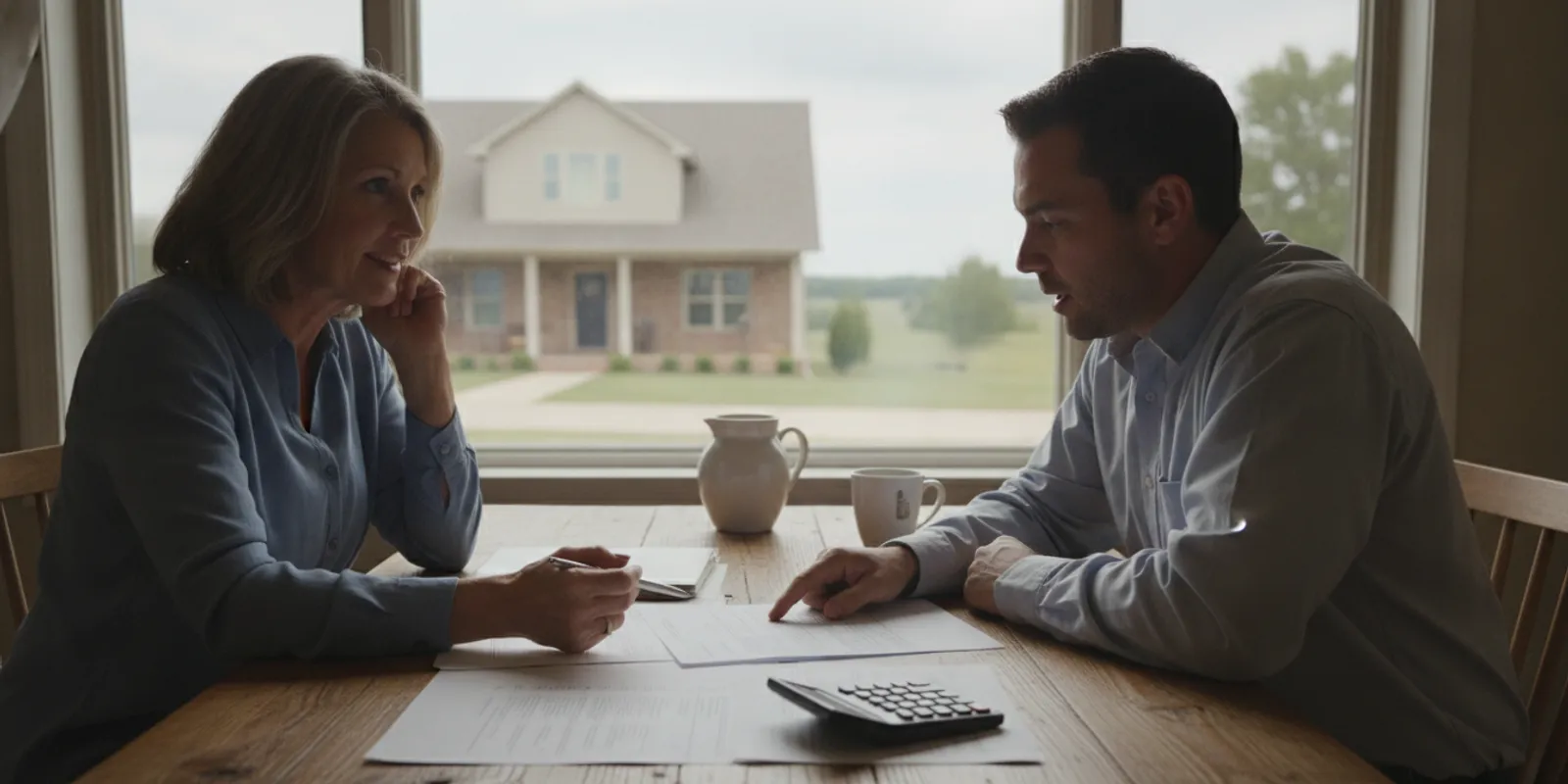

Roof replacement financing can help homeowners consider payment options alongside the work a roof actually needs. Before applying or accepting an offer, understand what the estimate covers, what the lender requires, and how repayment fits your budget. Financing terms vary, so a promotion or monthly payment shown in an advertisement should not be treated as a universal offer.
Call to request a free roof inspection
What should roof replacement financing cover?
Financing is a way to pay for an approved roofing project over time under a lender’s terms. It is separate from the roofing scope itself. A contractor’s estimate describes proposed work and its cost; a lender’s agreement describes borrowing, repayment, and the conditions attached to funds. Those documents answer different questions, and you should understand both before deciding.
For a roof replacement, the proposed scope may include removal of existing roofing, inspection of the exposed roof deck, replacement materials, installation details, flashing, ventilation work, cleanup, and other items specific to the property. Not every roof needs every item. The estimate should identify what is included, what is excluded, and how concealed conditions would be handled if they are discovered after work begins.
Financing should fit the documented project rather than drive you toward a larger scope or a decision made before you understand the roof’s condition. Start with an inspection and a written estimate. OKC Roofers describes its inspection offer as free and provides a written quote; the appropriate scope and cost depend on the property. Learn more about the company’s roof replacement cost considerations and discuss the actual work for your home with a contractor.
How do you connect the estimate to a financing decision?
First, ask for an itemized, written scope that is clear enough to compare with another proposal if you choose to obtain one. A total by itself may not show whether two estimates cover the same work. Check the material type, removal and disposal, underlayment, flashing, ventilation, edge details, cleanup, and any stated allowances. Ask whether the estimate includes tax, permit-related work where applicable, or other project-specific charges. Do not assume that a line omitted from the proposal is included.
Then identify the amount you intend to finance and whether the lender’s offer can cover it. Some financing products may fund a fixed amount, while others may have different funding rules. The lender—not the contractor’s estimate—sets its eligibility and disbursement requirements. Ask whether funds go to you, to the contractor, or in stages, and what documentation or completion confirmation is needed before funds are released.
If the lender’s approved amount differs from the estimate, pause and understand the gap. Find out whether you would need to use other funds, revise the project, or apply through a different option. Do not assume a contractor can change lender terms or guarantee that a loan will cover every item that may arise. Any change to the roofing work should be explained and documented before you agree to it.
Which lender terms should you compare?
Compare the written terms, not just an advertised monthly payment. A payment can look manageable while leaving important details unclear, such as how long repayment lasts or what happens after a promotional period. Ask the lender to provide the full agreement and explain any part you do not understand. The Consumer Financial Protection Bureau offers general consumer information at consumerfinance.gov; for the specific offer, rely on the lender’s documents and answers.
- Annual percentage rate and interest: Ask what rate applies, whether it can change, and how interest is calculated. If an offer advertises a temporary or deferred-interest feature, ask what conditions apply and what happens if you do not meet them.
- Repayment period: Confirm the number and timing of payments. A longer term may reduce a payment amount while extending repayment. Compare the overall obligation, not one payment in isolation.
- Fees: Ask about origination, application, late-payment, returned-payment, or other fees. Confirm which apply, when they are charged, and whether they are included in the amount financed.
- Early repayment: Ask whether you can pay the balance early and whether any fee or other condition applies.
- Missed-payment consequences: Understand late charges, credit reporting, collection practices, and any other outcomes described in the agreement.
- Funding process: Find out when money becomes available, who receives it, whether it is paid in one disbursement or more than one, and what steps you must complete.
Do not rely on a verbal summary when the written contract says something different. If a lender’s representative describes a special condition, ask where that condition appears in the agreement. Keep a copy of the final terms, payment schedule, and any disclosures for your records.
Are different financing structures the same?
No. Roof work may be paid for with different kinds of credit, and the name used in an advertisement does not tell you every term. A personal loan, a revolving credit account, or a contractor-arranged lender program can have different application steps, repayment structures, fees, and funding rules. Availability depends on the lender and the applicant. Do not assume OKC Roofers offers a particular product or that any option is available to every customer.
With an installment loan, ask whether the amount and payment schedule are fixed for the full term, and whether there are any variable terms or fees. With a revolving account, ask how the balance, minimum payment, interest, and available credit are calculated. If an offer is connected to a contractor, identify the lender in the actual agreement and find out whether the contractor receives funds directly. Ask what happens if the project is cancelled, delayed, or changed after you accept the financing.
Some offers may describe a temporary promotional period. Read the exact start and end dates, required payment amount, and conditions. Ask whether missed or late payments affect promotional terms and whether interest can be applied retroactively. These details can differ across offers, so do not rely on another homeowner’s experience or on a general explanation to determine your own obligation.
Compare similar products where possible, but do not force unlike offers into a single payment comparison. A fixed installment payment and a revolving account minimum payment may not represent the same repayment plan. Ask the lender to show what you would owe if you paid according to the stated schedule and what changes if you pay only the minimum. If you cannot get a clear written answer, leave the offer unaccepted while you seek clarification.
What does a monthly payment leave out?
A monthly payment is one part of the comparison, not the whole cost of borrowing. It does not tell you by itself how long you will pay, what fees apply, or what the total repayment will be. Request the payment schedule and the total amount you would repay if you make payments as agreed. If the payment changes after an introductory period, ask for the amount and date of each change in writing.
Consider how the payment fits alongside your regular household obligations and unexpected expenses. Avoid basing the decision on the most optimistic scenario if it depends on a temporary term, a future refinance, or an assumption that your income will change. If you are uncertain whether a payment is sustainable, take time to review the budget and get answers before signing.
Be alert to the difference between a deferred-interest promotion and a period with no interest accruing. Those descriptions are not interchangeable. Ask the lender to explain whether interest accumulates during a promotional period, what event triggers it, and what balance may be due if the promotion’s conditions are not met. Do not infer these details from a short advertisement.
What should you confirm about approval?
Prequalification, application, approval, and funding are distinct steps. A preliminary estimate of eligibility does not necessarily mean a loan is approved or that funds will be available for a specific roofing project. Ask the lender which step you are at, whether the offer is conditional, and what still must be verified.
Before applying, ask what information is required and whether the lender will review credit or other financial details. The lender can explain how an application is evaluated and whether a credit inquiry may occur. Ask whether a joint application is possible if relevant, and how that could affect the applicants. Do not share sensitive information through an unverified link or with someone whose role you cannot confirm.
Once you receive a decision, review the approved amount, rate, term, fees, expiration date, and any requirements that must be met before funding. If the offer expires or the project changes, ask whether the lender must reassess the application. Approval is controlled by the lender; a roofer cannot promise that you will qualify or that a lender will approve a particular amount.
Should you apply before or after the roof inspection?
For many homeowners, understanding the roof’s condition and a proposed scope first makes it easier to decide how much financing might be needed. A professional inspection can document visible conditions and help clarify whether the next step is repair, replacement, or further evaluation. An estimate tied to the property gives you a more useful basis for discussing a financing amount than a general online figure.
There may be situations where a lender’s prequalification process helps you understand possible borrowing parameters before you choose a contractor. Treat that as preliminary information, not a substitute for the lender’s final decision or a written roofing scope. Ask whether a preliminary check affects your credit and whether the terms can change after the lender reviews the complete application.
Keep the two decisions separate: a roofing professional assesses and proposes work, while a lender evaluates and offers credit. You can ask questions of both parties, but neither document replaces the other. Do not accept an unnecessary roofing scope simply because a larger amount appears available, and do not assume that a low preliminary payment proves the project is affordable.
How might the questions work in practice?
Imagine a homeowner receives an inspection report and a written proposal, then sees an online financing message with a low monthly payment. The useful next step is not to assume that payment covers the proposal. The homeowner can ask the lender what amount, term, rate, fees, and qualification requirements apply to that message, then request the full written disclosure. If the offer is preliminary, the homeowner should ask what information could change the decision and whether a credit inquiry may occur.
Next, the homeowner can review the estimate line by line. If the proposal does not explain an allowance, deck condition, or how a change would be approved, ask the contractor for clarification. If an item is not part of the scope, note it rather than treating it as included. This gives the lender a more accurate project amount to evaluate and makes it easier to see whether any financing gap remains.
If the lender’s final terms differ from the advertisement, the homeowner can compare the written terms with other available options or decide not to proceed with that offer. If the estimate changes after concealed damage is documented, the homeowner can ask for a revised scope and check with the lender before assuming that additional funds are available. At each point, the homeowner has a separate decision: whether the roofing work is understood and whether the financing agreement is acceptable.
This is an example of a decision process, not a description of a specific financing offer. Actual lender terms, eligibility, project conditions, and payment arrangements vary. The practical lesson is to match written documents to the actual roof work and resolve open questions with the party responsible for each decision.
How should you compare financing options?
Use a consistent checklist for each offer. Compare the amount financed, annual percentage rate, repayment term, fees, payment schedule, total repayment, early-payoff rules, and the conditions for funding. Then compare those details with the same written roof scope. That gives you a clearer picture than comparing one lender’s monthly payment with another lender’s headline offer.
Check whether the financing is provided directly by a lender or through a third-party program. Identify the legal lender named in the agreement and the party responsible for servicing payments. A contractor may help explain how an application relates to a project, but the lender’s contract controls the loan. Direct questions about eligibility, disclosures, or payment handling to the lender.
Ask whether using a particular payment method affects any other term, discount, or project condition. Get the answer in writing. Do not assume that a cash estimate, insurance proceeds, or a financing offer can be combined in a particular way unless the relevant parties confirm it. If your roof work involves an insurance claim, keep claim decisions separate from lending decisions: financing does not establish coverage or guarantee claim approval.
It can help to write each option on one page with the same headings. Mark anything you cannot yet verify as an open question rather than filling in a guess. A lender should answer loan questions; the roofing contractor should answer scope and installation questions. If an offer depends on an unanswered item, resolve it before agreeing.
How can you use a comparison worksheet?
A short worksheet can make lender conversations more precise. Use one row per offer and keep the roofing scope constant while comparing financing. Record the lender’s legal name, amount offered, rate, term, fees, scheduled payment, total repayment stated by the lender, and whether the rate or payment can change. Add the date you received the offer and any expiration date or funding condition. Leave a blank for missing information instead of estimating it yourself.
Make a second list for the roofing proposal. Note the property, inspection date, observed conditions, work included, excluded items, materials identified, cleanup, stated allowances, and the process for approving additional work. If you compare proposals from multiple contractors, check whether the scopes are equivalent before comparing totals. A lower total is not a like-for-like comparison if one proposal omits work included in another.
Next, connect the two sheets. Ask the lender whether its terms apply to the exact project amount and whether payment timing depends on a signed agreement, an invoice, or completion evidence. Ask the contractor how payment milestones work and what happens if inspection findings lead to a documented scope revision. Mark each answer with the name of the person or organization that confirmed it and attach the relevant written document.
This method is useful even if you consider only one financing offer. It helps identify unanswered questions before they become assumptions. Review the worksheet with someone you trust if you want another perspective, but direct contract questions to the lender and scope questions to the roofing professional. Do not let a worksheet replace the complete loan agreement, estimate, or contract.
What should you ask about project changes?
Roofing work can reveal conditions that were not visible before existing materials are removed. Ask how the contractor will document any newly discovered condition, explain the proposed response, and obtain your approval before changing the scope. The written process should make clear how the change affects the work and its cost. Ask whether you will receive a revised estimate or change document and how you should review it.
Then contact the lender before assuming the original financing covers a change. Find out whether the approved amount can be adjusted, whether a new review is required, or whether supplemental work is outside the agreement. A lender’s response may affect funding, so confirm it before authorizing additional work when possible. Keep revised documents with the original estimate and loan records.
Ask who to contact if a payment or disbursement is delayed. Determine whether the roofing contract sets payment milestones, what evidence is required at each stage, and what you are responsible for if lender funds do not arrive as expected. Do not sign a contract or authorize a scope you cannot explain back in your own words.
How does insurance relate to financing?
Insurance and financing are different processes. An insurance company determines coverage under the policy and its claim decision; a lender decides whether to offer credit under its own criteria. A roofer can help document observed roof conditions with inspection findings and photos, but cannot guarantee claim approval, a specific payment, or a lender’s decision.
If an insurance claim is part of your situation, ask the insurer what documents it needs and what decisions remain outstanding. Review your policy and communicate directly with the insurer about coverage, deductibles, and claim requirements. If you consider financing while a claim is unresolved, ask the lender how that affects the loan and repayment obligation. Do not assume that a future insurance payment will arrive in time or be enough to repay borrowing.
Keep copies of inspection documentation, estimates, insurer correspondence, lender documents, and any change approvals together. This makes it easier to see which party answered each question and which decisions are still pending. If you need help understanding a policy or loan contract, consult an appropriately qualified adviser; a roofing estimate is not legal, insurance, or financial advice.
What questions should you ask before signing?
Before accepting financing or authorizing roof work, take this list to the relevant conversations:
- What roof conditions were observed, and what documentation supports the recommended scope?
- What work is included and excluded in the written estimate? How are concealed conditions handled?
- What is the estimate’s cost, and what items could change it?
- Who is the lender named in the agreement, and who will service the account?
- What are the rate, term, fees, payment schedule, and total repayment?
- Does the rate or payment change, and what conditions apply to any promotion?
- Is approval final or conditional? What remains before funds are released?
- How and when are funds disbursed, and what happens if a payment is delayed?
- Can you pay early, and are there fees or conditions for doing so?
- What happens if the roofing scope changes or the lender approves less than expected?
- Who should you contact with questions about the project, the loan, or an insurance claim?
Write down the answers and compare them with the estimate and final contract. If an answer is important but not in writing, ask the responsible party to confirm it in the appropriate document. Take the time you need to understand commitments before signing.
What documents should you keep?
Keep the roofing documents and loan documents organized, but do not confuse their purposes. The roofing file should include the inspection report or findings, photos provided by the contractor, the written estimate, material and scope details, signed contract, and any approved change documents. If work has started, keep records of project communications and completion documents as well. These records help you follow what was observed, what was agreed to, and whether a later scope change was approved.
The financing file should include the application disclosures you receive, final loan agreement, repayment schedule, funding confirmations, and correspondence about conditions or changes. Store statements and payment confirmations as the loan proceeds. Note any deadlines or promotional conditions on your calendar, but rely on the agreement for the exact requirements. If a lender changes or clarifies a term, save the written response with the original documents rather than relying on memory.
For an insurance-related project, maintain a separate record of policy documents, claim communications, adjuster materials, and decisions from the insurer. Keep dates and the name or department of the party who provided an answer. A simple log can identify whether an open question belongs to the contractor, lender, or insurer and prevent you from treating an estimate as a loan approval or a claim decision.
Before you sign, make sure each document refers to the project or account you expect. Check names, property details, amount, scope, and dates. If the lender agreement names a contractor or project different from the one in the estimate, ask for an explanation before continuing. If the documents conflict, ask the party responsible for that document to correct or explain it in writing. Keep a complete copy somewhere you can access later.
How can you avoid common financing mistakes?
Do not choose from a payment headline alone. A displayed monthly amount may depend on an unshown term, rate, fee, or qualification. Request the complete disclosure and compare total repayment.
Do not assume every applicant receives the advertised terms. Eligibility and approval depend on the lender’s requirements. Confirm the offer that applies to you in your own written agreement.
Do not finance an unclear scope. A lender’s approved amount does not prove that the roofing estimate is complete or appropriate. Understand the roof work first and ask for missing details.
Do not treat financing as insurance approval. Borrowing remains subject to its own agreement, even if a claim is pending. Verify coverage directly with the insurer and repayment terms with the lender.
Do not rely on an assumed schedule. Loan processing, material availability, weather, and project conditions can vary. Ask each party what it can confirm, but do not treat an estimate or application as a guaranteed work timeline.
Do not sign documents you have not reviewed. Read the roofing agreement and lender contract, including attachments and disclosures. Keep copies and ask for clarification before accepting unfamiliar terms.
How do you decide whether financing fits?
Financing may be worth considering when you understand the roof work, have compared the written loan terms, and can account for the payments within your broader budget. It may not fit if key terms remain unclear, a payment depends on an uncertain future event, or you have not established what the project includes. There is no single option that works for every homeowner.
Compare any financing offer with other ways you may choose to pay, but evaluate each on its own terms. Consider the total obligation, payment flexibility, timing, and what happens if your circumstances change. Avoid rushing because of a limited-time message unless you have confirmed the deadline and all the terms directly with the lender.
OKC Roofers serves Oklahoma City-area homeowners with roof repair and replacement work. To discuss an inspection and a property-specific written estimate, visit the roof repair or replacement guide, read about roof replacement cost considerations in Oklahoma City, or request a free inspection. A clear scope can help you ask more useful financing questions, but it does not determine a lender’s decision.
Explore roof replacement financing questions
Take time to compare the written roofing scope with the lender’s complete terms, and move forward only when you understand both agreements.