
When homeowners ask, how much does it cost to repair a roof, they are usually trying to make a decision with incomplete information. In Cleveland County, the answer depends on what failed, how much of the roof is affected, how accessible the area is, and whether inspection reveals damage beneath the visible surface. A loose shingle and a leak that has reached the roof deck are different projects, even if both first appear as a ceiling stain. An onsite inspection and written scope are the practical way to understand the work and its cost for a particular home.
Request a free roof inspection and written estimate
Why is there no single roof repair cost for every home?
A roof estimate is based on the work required at one property. A broad online figure cannot account for a roof’s height, slope, covering, shape, condition, or the location of the damage. It also cannot show whether the visible symptom points to one small defect or a problem affecting several components. Even houses with similar roofs can have different repair needs if one has prior repairs, a complicated transition, or damage hidden below the surface.
Water can move along a roof deck, framing, or other surfaces before it becomes visible inside. The ceiling stain may therefore be some distance from the entry point. Likewise, a missing shingle after wind does not by itself show whether neighboring shingles, flashing, or underlayment were affected. A useful diagnosis follows the evidence rather than assigning a scope based on the first symptom. The stain, drip, or loose material is a reason to investigate, not a complete repair plan.
Several practical variables help explain why estimates differ:
- Type of defect: A displaced shingle, damaged flashing, puncture, deteriorated seal, and compromised decking call for different steps.
- Extent: Work on one small section differs from repairs across multiple slopes or roof features.
- Roof access: Height, pitch, obstacles, and the working area can affect the equipment and precautions needed.
- Material and system: Repair materials should suit the existing roof and connect properly with surrounding components.
- Underlying condition: The surface can conceal damaged wood or water-control layers that become visible only after closer examination.
- Protection needs: If water is entering, a temporary measure may be considered while a permanent scope is assessed.
These factors are reasons to treat generic figures as education, not a quote. OKC Roofers offers a free inspection and written quote; the company does not publish a repair-cost range on the supplied service information. A property-specific estimate should describe the observed issue and the work included rather than imply that every roof with the same symptom needs an identical repair.
Which repair conditions can change the scope?
The table below compares common findings and the questions they raise. It is a guide to scope, not a schedule of charges. Inspection determines whether a condition is present and how much work it requires.
| Observed condition | What should be examined | How the repair scope may differ |
|---|---|---|
| Lifted, cracked, or missing shingles | Nearby shingles, fastening, exposure, and size of the affected area | A localized replacement differs from work across a wider section with additional loosened material. |
| Leak around a roof opening or transition | Flashing, adjoining surfaces, sealant condition, and likely water path | The stain may not sit directly beneath the entry point, so diagnosis may involve more than the visible interior spot. |
| Soft or damaged roof deck | Wood condition below the covering and boundaries of affected material | Surface work alone may not address damaged support; removal and replacement may need to be included. |
| Wind or hail concerns | Distribution of marks or displaced materials across roof sections and components | Several affected areas can call for a broader inspection and more detailed documentation. |
| Recurring water entry | Prior repairs, roof age and condition, adjoining details, and when the leak appears | The estimate may compare a focused correction with broader work if evidence shows a larger underlying issue. |
Two homeowners may report the same symptom but receive different recommendations because the roof conditions differ. One ceiling mark may trace to a single damaged area with sound surrounding materials. Another may be associated with a roof feature, multiple layers of previous repair, or damage that has affected the deck. The meaningful comparison is between documented findings and proposed work, not between symptom names alone.
How do roof design and access affect the work?
Roof geometry influences both diagnosis and repair. An open, uncomplicated slope differs from an area where a roof meets a wall, chimney, valley, skylight, or another plane. Those intersections bring together materials and water paths that need to be evaluated as a system. If a leak appears near one of these features, the nearest seam is a place to investigate, not automatic proof of the cause.
Height and pitch matter because work has to be approached safely and with suitable access. A steep slope can require different precautions than a low, walkable area. Landscaping, fences, additions, overhead obstacles, and limited staging space may also affect how the repair area can be reached. These details can influence the work plan without changing the underlying diagnosis. If a contractor notes an access-related step, ask what condition or setup led to it so the estimate is understandable.
Homeowners should not climb onto a wet, steep, or storm-damaged roof to investigate or take close-up photographs. A fall can cause serious injury, and loose materials may not support a person’s weight. For general information on fall hazards and prevention, consult the U.S. Department of Labor’s Occupational Safety and Health Administration. Take pictures from the ground or another safe location and leave roof access to people equipped to assess it.
When an estimate reflects access-related work, ask how the proposed approach relates to the home’s layout. That is not a request to second-guess a safety decision; it helps you understand the work included. If the area is difficult to reach, ask how that affects protection of landscaping and cleanup as well as the repair itself. Reviewing the practical setup alongside the repair steps can reveal whether proposals are based on the same scope.
Why do materials and hidden conditions matter?
Roofing is a layered system. Depending on the condition, a repair may involve the outer covering, underlayment, flashing, fasteners, sealant, or decking. The estimate should identify the components that will be addressed and the materials proposed. A short description such as “fix leak” does not tell a homeowner whether the work addresses the source, nearby materials, or only a visible symptom. Ask what will be removed, what will be installed, and what remains unchanged.
Matching the existing system can take judgment. Material type, profile, age, and availability can affect how a repair is integrated with what remains. A patch that does not account for adjoining components may leave the original water path untouched. Ask the contractor to explain how the specified materials fit the roof and what portions will stay as they are. If the replacement material will look different from older surrounding material, ask whether that is expected and why.
Some conditions are concealed until the affected covering is opened. An estimate can state the expected work and explain how a newly discovered condition will be handled. Before approving, ask whether the contractor will document the finding, describe a revised scope, and obtain your approval before additional work proceeds. This process matters if the repair depends on wood or other surfaces that cannot be fully assessed from outside.
Do not assume every repair includes replacing every layer or component. Nor should a proposal leave boundaries unclear. A written description can distinguish planned removal, inspection of the exposed area, replacement of identified damaged material, and the method for resolving unknowns. Clear limits make it easier to understand both what the estimate covers and what might require a separate decision. If a proposal says additional work may be needed, ask what would trigger that change and how it will be priced in the revised estimate.
What should an inspection document?
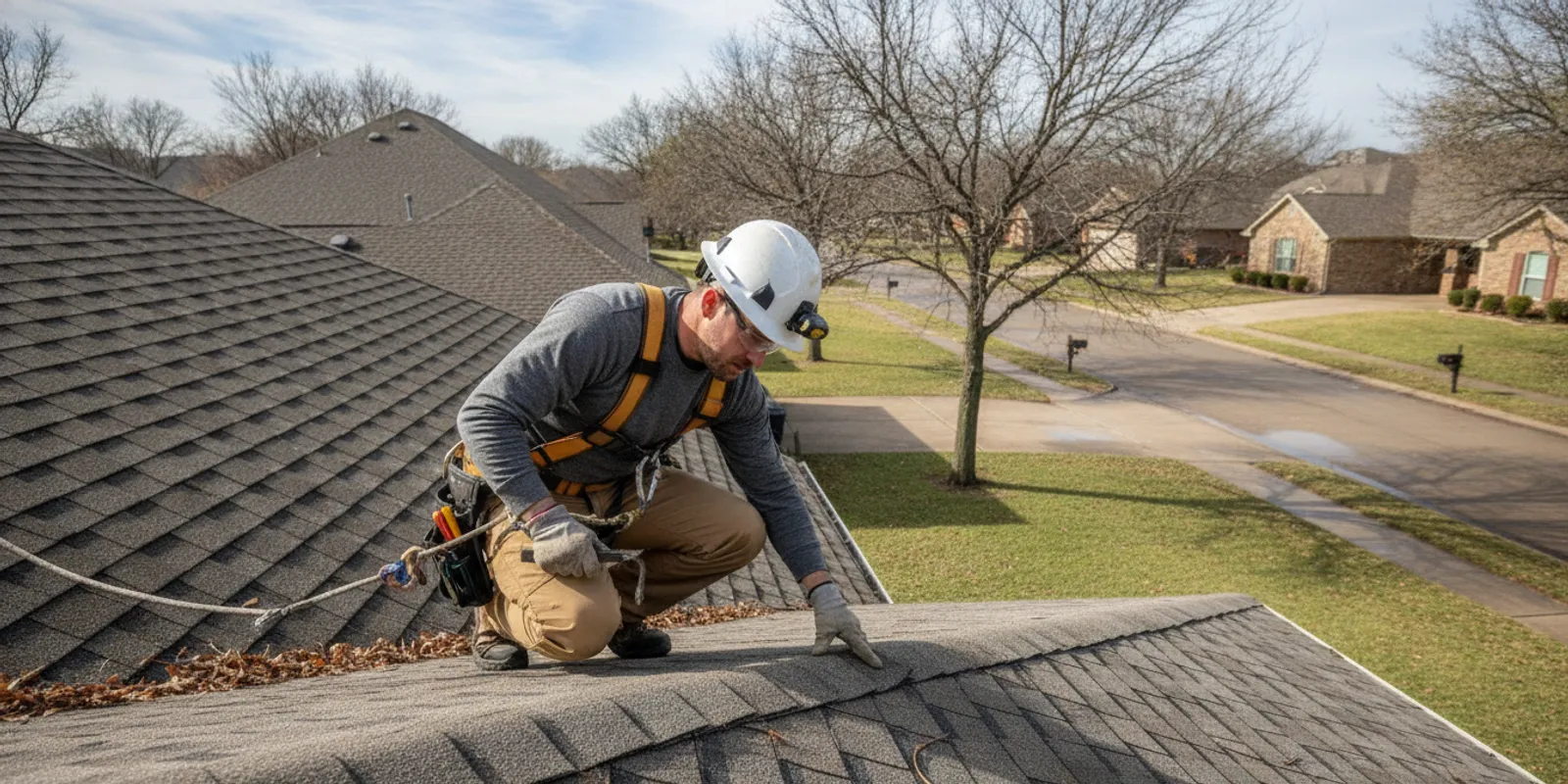
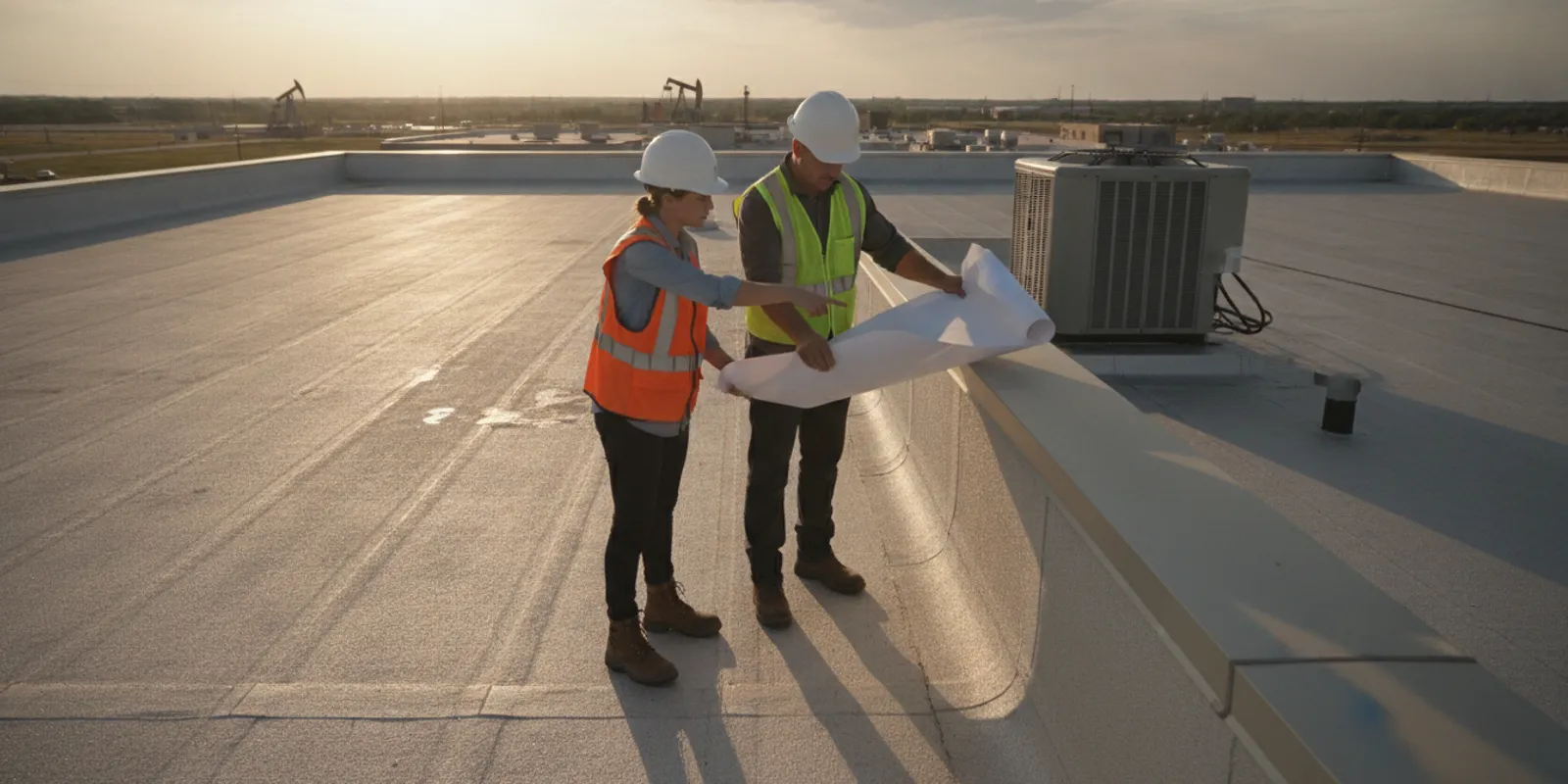
An inspection is useful when it connects observations to a recommendation. OKC Roofers offers a free 18-point inspection with photos and a report. Ask the inspector to identify the roof area examined, note visible damage, and explain how those observations support the proposed repair. Photos can help a homeowner review what was observed without going onto the roof. If a photograph shows a detail that is unfamiliar, ask for a plain-language explanation of what it depicts.
Before approving work, review whether the written scope answers these questions:
- Which roof slope, feature, or area is included?
- What visible condition is being corrected, and what evidence supports the diagnosis?
- Which materials and components will be removed, repaired, or replaced?
- How will the repair connect to the existing roof system?
- What is excluded or dependent on conditions concealed beneath the surface?
- How will a change be explained and documented if concealed damage is found?
- What cleanup and final documentation are included?
- What guarantee or warranty terms apply to this specific project?
If a proposal uses a broad phrase such as “seal the leak,” ask which seam or component will be addressed, what nearby materials were inspected, and why that approach fits the findings. If it recommends replacing damaged decking, ask what evidence indicates that the wood needs attention and how much area is included. These are straightforward questions about scope, not a demand for a diagnosis by the homeowner.
A documented inspection can separate immediate work from optional or conditional items. For example, a proposal might include a defined repair and state that additional work would be discussed if removal reveals damaged wood. That is more informative than an open-ended instruction to repair whatever may be found. Keep the inspection report, written scope, and any revised documentation together so the basis for the final decision is clear.
For more about the company’s local repair service, see the roof repair service information. The Cleveland County property-specific path is the Cleveland roof repair estimate page.
How should you compare two repair estimates?
Compare the work, not just the total. Estimates can differ because one includes removal and replacement of damaged material while another covers a smaller surface treatment. Even when totals look close, the methods, assumptions, or exclusions may not be the same. A fair comparison starts by checking whether the contractors have reached a similar diagnosis and are proposing work on the same part of the roof.
- Match the diagnosis. Check whether each proposal identifies the same roof area and explains the suspected source.
- Compare included steps. Look for removal, inspection of exposed surfaces, replacement, flashing work, sealing, and cleanup where relevant.
- Check the materials. Confirm that the proposed product or repair material is described and appropriate to the existing roof.
- Read assumptions and exclusions. Note what remains unexamined, what is not included, and what could change after removal.
- Understand approvals for changes. Ask how new findings will be documented and reviewed before the scope expands.
- Review project terms. Compare payment terms, cleanup, documentation, and any guarantee or warranty language that applies.
Consider a hypothetical example: water appears near a bedroom ceiling after a storm. One contractor documents displaced shingles and includes replacement in a defined area. Another proposes applying sealant around a nearby roof feature but does not explain why that feature is the source. Those proposals do not yet describe equivalent work. Ask each contractor to connect the recommendation to inspection findings before deciding whether either scope addresses the same problem.
A simple worksheet can make the comparison less confusing. Use columns for roof location, observed condition, work steps, materials, exclusions, hidden-condition process, cleanup, and project terms. Copy each estimate’s wording into the matching column. If an item is absent, mark it as a question rather than assuming it is included. Then ask the contractor to clarify in writing so the comparison reflects confirmed scope.
Look for differences that explain a lower or higher total. A narrower work area, a different material, omitted removal, or an assumption that the surrounding roof is sound can affect the scope. None of those differences automatically makes a proposal right or wrong. The goal is to understand what each contractor believes is happening and what each estimate would accomplish. If one contractor recommends a broader repair, ask which documented findings make the larger area necessary.
What should Cleveland County homeowners record after a storm?
If wind or hail may have affected the roof, write down when the weather occurred and when you first noticed a symptom. Take ground-level photos of visible exterior conditions if it is safe. Photograph any interior stain and note whether it changes during rain. Do not walk on the roof, move loose materials, or attempt a repair in unsafe conditions.
Keep a short record of what happened: the room where water appeared, whether the leak is active or intermittent, the kind of weather at the time, and any steps taken to protect belongings. If you have earlier repair documents or photos, gather them. These records can help explain the history to an inspector, though they do not by themselves establish the cause or extent of roof damage. Write down when a symptom occurs rather than relying on memory weeks later.
For a storm-related concern, the storm damage information explains the company’s related service. OKC Roofers’ insurance-claim assistance includes inspection findings, documentation, estimates, and adjuster coordination. A contractor can provide information about observed roof conditions, but coverage decisions depend on the policy and insurer’s review. No contractor can guarantee that a claim will be approved or that a particular amount will be paid.
When discussing a possible claim, keep the contractor’s findings separate from the insurer’s coverage decision. Review your policy and ask the insurer what documentation it needs. Keep copies of communications and estimate revisions. If a scope changes after a roof area is opened, make sure the newly observed condition and proposed work are recorded so you can share accurate information with the insurer if needed. An inspection report is useful documentation, but it is not a coverage determination.
When is it sensible to discuss repair and replacement?
A focused repair may be appropriate when damage is limited and the surrounding roof remains serviceable. Broader work may deserve discussion if damage appears in multiple areas, repeated repairs have not resolved the issue, or the rest of the roof shows signs of deterioration. No single stain or missing shingle settles the question for every home. The roof’s overall condition and the boundaries of the damage both matter.
Ask the contractor to show what supports each option. For a repair recommendation, ask what parts of the roof are outside the scope and what condition those areas are in. If replacement is proposed, ask why a localized repair is not considered suitable and which findings point to a wider issue. Clear explanations should connect each option to observed conditions rather than rely on a general label.
Compare practical implications. A repair may address a defined area but leave the remaining roof unchanged. Replacement is a larger project that addresses a broader portion of the system, and it should be considered with an explanation of its relevance to the property. The roof repair or replacement guide can help organize questions, but inspection is needed to relate the choice to your roof.
For either path, ask what happens if the work reveals conditions outside the expected scope. A useful answer identifies how the finding will be documented and how you will review a revised proposal. That step helps homeowners avoid making a broad decision based on one symptom while accounting for the possibility of concealed damage. Request that the written recommendation distinguish the work needed to correct today’s problem from any separate option for broader roof work.
How can you describe the problem before requesting an estimate?
You do not need to diagnose the roof to make the first conversation useful. Describe where you noticed water, when it began, and whether it appears only during certain weather. Mention any recent wind or hail you observed and whether the symptom has returned after a previous repair. If you know when the roof was installed or have records from earlier work, share them as context, not as proof of the cause.
Take pictures of the interior mark and visible exterior conditions from a safe place. Include a wider view that shows where the symptom is located and a closer view if it can be taken without climbing or reaching into a hazardous area. Note the date of each photo and whether it was taken during or after rain. A short, accurate description is more useful than guessing which roof component failed. If there is no visible exterior sign from the ground, say so instead of trying to inspect the roof yourself.
When arranging an inspection, ask how findings will be shared and whether the written estimate will distinguish planned repair from conditional work. OKC Roofers’ free 18-point inspection includes photos and a report. You can also review the company’s roof inspection information and use its contact form to request an inspection. Human follow-up can clarify the next step; the form is an enquiry path, not an automated appointment booking.
How can you think through a repair estimate in practical terms?
It can help to test a proposal against common situations. Suppose wind has lifted several shingles on one section, but inspection shows no visible concern elsewhere. A focused scope might identify the location, specify replacement materials, and explain how adjoining shingles will be handled. The important point is not to assume every wind event requires work across the entire roof. It is to confirm that the proposed boundary matches what the inspection found.
Now consider a recurring stain near a wall or chimney. The path of water may involve a transition between roof materials, and the visible interior mark may not reveal the entry point. A useful estimate would identify what was inspected at the transition and explain why the proposed repair addresses the suspected path. If a proposal simply names the stain’s location, ask how the contractor connected that symptom to the roof work.
A third situation is a repair where the roof covering must be removed before the deck can be fully evaluated. The initial written scope can define expected work and state how additional damage will be documented. For example, it can explain that the homeowner will receive an explanation and revised scope for review before work expands. This avoids treating an unknown condition as though it has already been confirmed.
These examples show why the estimate should describe both the known condition and the limits of what can be seen. Ask the same basic questions: What evidence supports the diagnosis? Which exact area is included? What materials will be used? What is excluded? What will happen if removal reveals a new issue? The answers let you compare scopes without guessing from a symptom or broad category of repair.
What can you do while waiting for an assessment?
If water is entering, protect people and belongings first. Move items away from the affected area when safe, and use a container to catch drips if that can be done without approaching electrical hazards or unstable ceilings. Do not touch wet electrical fixtures or stand beneath a ceiling that appears to be sagging. If you see an immediate danger, contact the appropriate emergency service or a qualified professional.
Keep notes on whether water is still entering and whether the affected area changes with rainfall. Take photos from a safe position and record any temporary steps you take indoors. Avoid applying sealant or placing a tarp on a roof yourself. A makeshift exterior repair can introduce additional hazards or conceal the condition that needs assessment. If temporary roof protection is considered, ask who will perform it, what it is intended to protect, and whether it is separate from the permanent repair scope.
When contacting a contractor, distinguish an active leak from a past stain or concern noticed after a storm. Share the property location, affected room, and timing information you have. That helps the person responding understand the reported condition, but it is not a diagnosis and does not establish a specific arrival or completion time. Ask what the next step is and how inspection findings will be communicated.
What does a property-specific Cleveland County estimate clarify?
A useful estimate translates inspection into an understandable plan. It states the affected area, materials and work steps included, and assumptions about conditions that are not yet visible. It should make clear what the contractor recommends now and what would require another discussion if new information emerges. Where applicable, it should also explain the process for handling an adjustment to the scope.
That is why there is no reliable way to infer a home’s repair cost from a ceiling stain, a single missing shingle, or an online average alone. The same symptom can point to different conditions, and roof design and access also matter. A written scope gives you something concrete to review and compare before authorizing work. It provides a clearer basis for understanding what the estimate includes and what questions remain.
If you are evaluating a Cleveland County roof issue, share the symptom and safe photos, then ask for documented findings and a written estimate based on the property. Review the work, assumptions, and change process before deciding. This approach gives you a clearer basis for understanding the repair and its cost without treating a general figure as a quote. The Cleveland roof repair estimate page is the local service resource for that next step.
Frequently asked questions
Can a small leak require more than a small repair?
It can. A small interior mark identifies where water became visible, not necessarily where it entered or how far it traveled. Inspection of the roof and surrounding components helps determine whether the affected area is limited.
Can I estimate the cost from a ceiling stain?
No, not reliably. The stain is one clue, while the source, affected materials, roof access, and concealed damage remain unknown until assessed. Photograph it from a safe place and describe when it appears.
Will homeowners insurance pay for roof repair after hail?
Coverage depends on the policy, cause and extent of damage, and the insurer’s review. A contractor can document observed conditions and provide an estimate, but cannot promise claim approval or a particular payment.
Should I choose the lowest estimate?
Compare diagnosis, work steps, materials, exclusions, and the process for addressing concealed conditions before weighing totals. If proposals describe different work, ask for clarification so you can compare like with like.
Request a Cleveland County roof inspection and written estimate
Clear inspection findings and a defined scope help you understand the repair being proposed and decide what to do next.