
How long does a roof last is the question most Oklahoma City homeowners ask after a hailstorm, a leak, or a home inspection. A brochure year count is a starting point, not a promise. Useful life here depends on the material, how it was installed, how many storms it has taken, and whether small problems were fixed before water reached the deck.
Request a free roof inspection
This guide explains the factors that move a roof toward the short or long end of its range. It does not replace a look at your attic, slopes, and flashing. If the condition is unclear, a documented inspection is the useful next step.
How Long Does a Roof Last in Practice
National averages assume milder weather than central Oklahoma. Hail, straight-line wind, summer heat, and freeze-thaw cycles can age a roof faster than a mild-climate chart suggests. A roof that still sheds water can already be near the end of its useful life if granules are gone, seals have failed, or prior hail left bruises you cannot see from the yard.
Treat published ranges as planning bands, not a finish date. The same shingle line can age very differently on two houses a few miles apart. South-facing slopes, a hot attic, a low-slope section, and a tree line all change the clock.
A useful way to read any range is to ask what would push your roof toward the short end. Repeated hail, a hot attic, and an edge that holds water do that. A sound deck, sealed flashings, and repairs made before the deck got wet push the other way. Neither side is a guarantee. It is a way to stop treating one number as the answer.
Buyers and sellers run into this often. A listing may say the roof was replaced in a given year. That date tells you when the surface went on. It does not tell you whether the valley was detailed, whether a later storm bruised the field, or whether the attic has been cooking the deck every July. Those are inspection questions, not listing questions.
| Material family | What usually shortens life here | What an inspection should check |
|---|---|---|
| 3-tab asphalt. | Hail bruises, lost granules, and lifted tabs after wind. | Field shingles, seal strips, and exposed felt or deck. |
| Architectural asphalt. | Heat, poor attic airflow, and repeated small hail. | Granule loss, soft spots, and ridge and valley wear. |
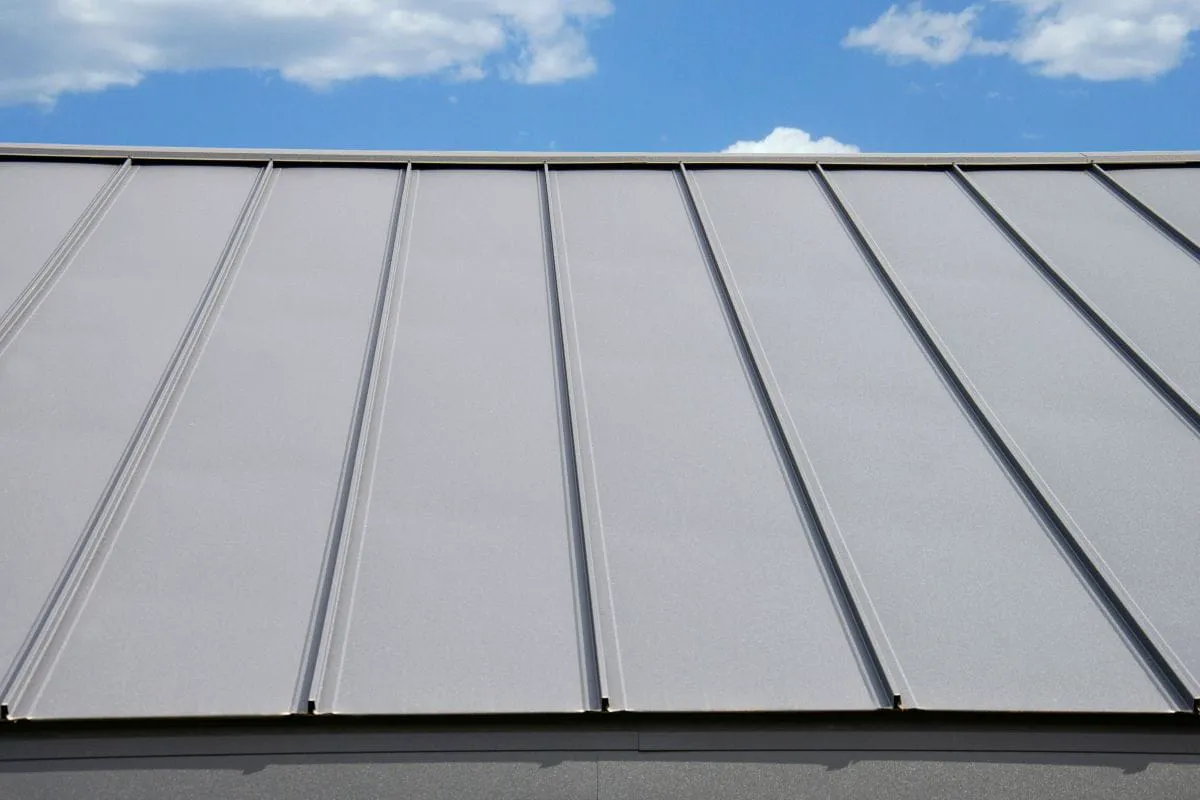
| Metal systems. | Loose fasteners, failed sealant, and a poor deck. | Fasteners, laps, flashing, and coating wear. |
| Tile, slate, or cedar. | Broken pieces, old underlayment, and hidden deck rot. | Underlayment and flashings, which often fail first. |
| Low-slope membranes. | Ponding water, seam failure, and punctures. | Drains, seams, and wet insulation under the sheet. |
If you are choosing a new system, the residential roofing types guide compares shapes, materials, and storm performance. This article stays on the life of the roof you already have.
Material and Installation Set the Starting Point
Material sets a ceiling. Installation decides whether you get close to it. A well-fastened architectural shingle with sound flashing often outlasts a premium product laid over a soft deck or a clogged valley.
Look past the surface name. These details matter more than the year on the permit:
- Deck condition. Soft plywood or spaced boards telegraph into the new layer and shorten fastener hold.
- Underlayment and ice-and-water coverage at eaves, valleys, and penetrations.
- Fastener pattern and starter courses. Wind failures often begin at the edge, not the field.
- Flashing at walls, chimneys, skylights, and pipe boots. Many “old roof” leaks start here.
- Matching slope. A product rated for steeper roofs can fail early on a low-slope porch or addition.
A second layer of shingles can also hide deck problems and add heat. It is not automatic proof the roof is newer or stronger. Ask what is underneath before you treat the top layer’s age as the whole story.
Crew skill shows up in small places. Nails driven through the seal strip, a valley that relies on sealant instead of metal, or a pipe boot left proud of the shingles will fail early. Those are not old-roof problems. They are install problems that the calendar does not reveal. FEMA’s high-wind shingle guidance makes the same point in another way: edge fastening and starter courses decide whether wind gets a grip.
Manufacturer warranties are not the same thing as service life in Oklahoma. Many exclude hail, wind above a stated speed, or damage tied to ventilation. Read the exclusions before you treat a 30-year or lifetime label as a calendar. A workmanship promise from the installer is also separate from the shingle warranty. OKC Roofers states a 25-year leak guarantee on qualifying work. That phrase is the company’s own guarantee language. It is not a claim that every roof, or every repair, lasts 25 years.
Oklahoma Weather Ages Roofs Faster
Central Oklahoma sits in a hail-prone part of the southern Plains. The National Weather Service Norman office tracks severe hail, wind, and tornado reports across western, central, and southern Oklahoma. One severe day is not the whole history. Smaller hail that never makes a headline can still knock off granules and bruise mats.
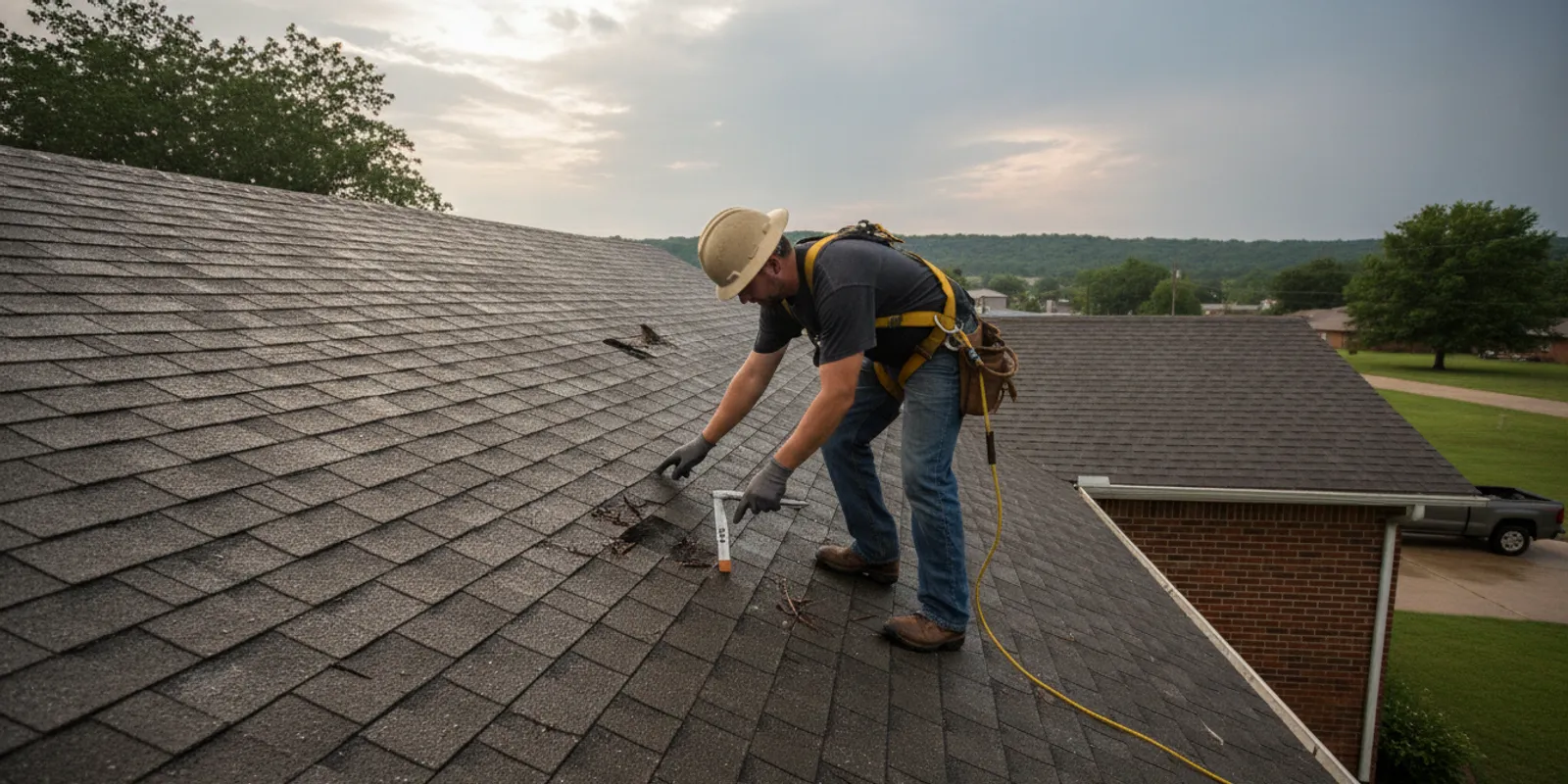
Wind damage and hail damage do not look the same, and they do not age the same way. Wind often starts at rakes, ridges, and poorly sealed tabs. Hail marks the field and the soft metals around it. A roof can have both after one storm system. Counting only the missing pieces misses the bruises that still shed water today and crack next summer.
Heat is the quieter factor. Dark shingles in full sun dry out, curl, and lose their bond. South and west slopes often look older than the north slope on the same house. Wind then lifts any tab that no longer seals.
Freeze-thaw cycles widen those small breaks. Water that sits in a cracked shingle or an open flashing joint expands, then finds the deck. After a few seasons, a roof can leak in a spot that looked fine from the street the week after the storm.
Drainage belongs in the same picture. Clogged gutters hold water at the eave. That water backs under the starter course and rots the fascia and the first rows of decking. A roof can be “young” in the field and failing at the edge.
If a recent storm left dents in soft metal, cracked skylight lenses, or a trail of granules in the downspouts, do not wait for a ceiling stain. The hail damage page explains what a storm inspection looks for. Filing a claim, and whether it is approved, is a separate decision from knowing the roof’s condition.
Ventilation, Moisture, and Maintenance
Attic heat and trapped moisture shorten asphalt roofs even when the shingles were a good choice. The Asphalt Roofing Manufacturers Association notes that attic moisture and temperature affect the roofing system above them. Balanced intake and exhaust helps an unconditioned attic shed excess moisture. A deck that stays wet can swell and buckle the shingles above it.
Bath fans, kitchen vents, and dryer ducts that dump into the attic add moisture the roof never asked for. In winter that moisture can condense on the deck. In summer the same closed attic stores heat against the shingles. Either pattern can age the roof faster than the product name suggests. Fixing the vent path is maintenance. It is not a new roof, and it will not undo shingles that are already cracked.
You do not need to redesign the attic to spot trouble. On a hot afternoon, an attic that feels like an oven, or a bathroom fan that dumps moist air into the attic, is a clue. So are stained deck boards, rusted nail tips, or insulation that looks damp near the eaves.
Maintenance will not make a worn-out roof new. It can keep a sound roof from failing early. A practical yearly pass includes:
- Clear gutters and confirm downspouts discharge away from the foundation.
- Trim branches that scrape the surface or drop debris into valleys.
- Look from the ground for missing tabs, exposed nails, and open pipe boots.
- Check the attic, if it is safe, for daylight, stains, and musty decking.
- After hail or high wind, note new dents on gutters, vents, and condenser fins.
Sealant smeared over a cracked boot or a lifted flashing is a short bridge, not a new service life. If the same spot leaks again, the assembly around it needs a real repair, not another tube of caulk.
Signs the Useful Life Is Ending
Age on paper and age on the roof often disagree. These signs mean the remaining life is uncertain, even if a neighbor’s similar roof is still fine:
- Widespread granule loss, with bald spots or grit piled in gutters after dry weather.
- Curling, clawing, or cracking across many slopes, not one or two damaged pieces.
- Soft decking underfoot, or a sag between rafters.
- Daylight in the attic, rusted fasteners, or stains that return after a dry spell.
- Repeated repairs in the same valley, wall flashing, or pipe boot.
- A prior hail history plus new bruising, even if the ceiling is still dry.
One missing shingle is a repair. A pattern across the field is a life-cycle question. The repair or replacement guide walks through that choice once you know the condition. Do not jump there from the install year alone.
Metal needs a different read. A panel can look straight while fasteners, washers, and sealant are tired. That is a metal-specific question, not a reason to apply an asphalt year count to a standing-seam roof.
When an Inspection Beats a Year Count
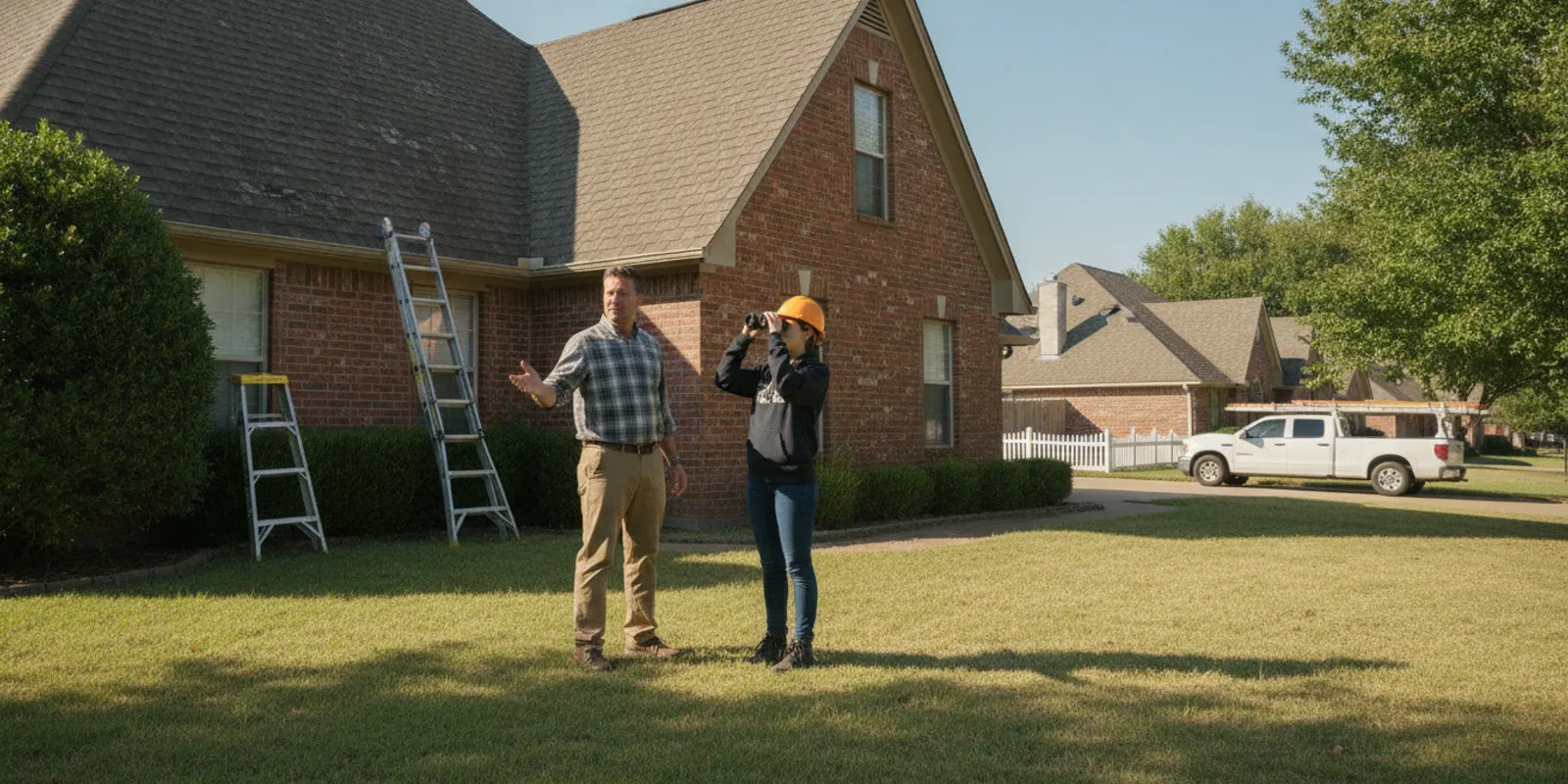
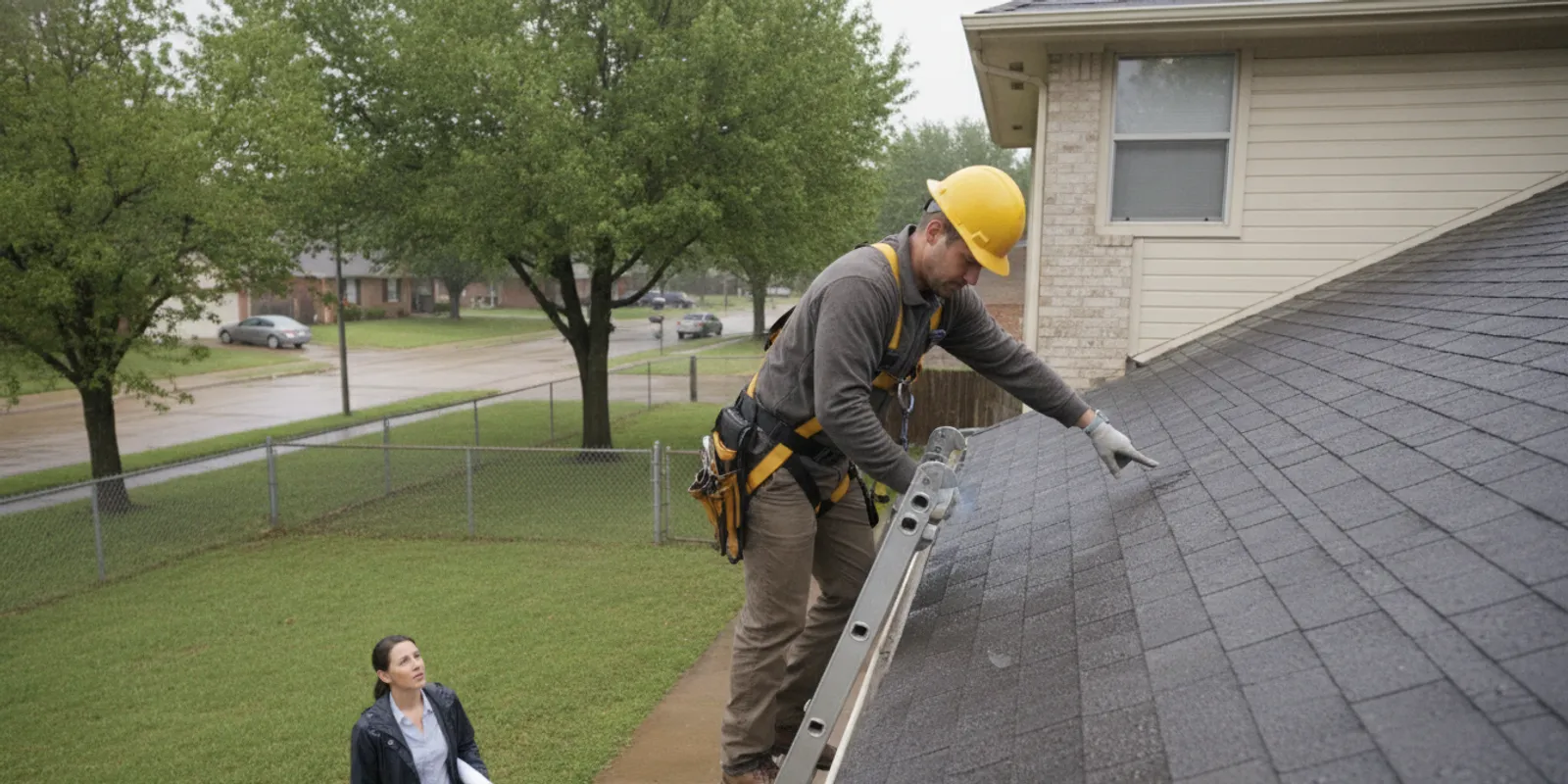
Ask for an inspection when you cannot see the deck, when a storm just passed, or when a buyer, insurer, or property manager wants more than a guess. A useful visit documents slopes, flashings, attic clues, and photos. It should separate “this can be repaired” from “this system is used up,” without treating either line as a claim decision.
OKC Roofers offers a free inspection for Oklahoma City-area homes and commercial properties. The public phone is (405) 796-8858. For an active leak or storm damage, the company states a guaranteed two-hour on-site inspection. That is an inspection commitment, not a promise that a permanent repair will be finished in two hours.
A good inspection report is specific. It should name the slopes that are worn, the flashings that are open, and the attic clues that match or contradict the surface. Vague lines such as “roof is old” or “roof is fine” do not help you plan. Photos of the field, the edges, and any soft decking do.
Bring what you know: the approximate install year, any prior repairs, and whether hail has hit since the last roof. Those facts help. They do not replace photos of the field, the edges, and the attic. A property-specific note on remaining life comes only after that look.
Insurance is a separate track. An inspection can document what is there. It cannot promise that a carrier will approve a claim, pay a certain amount, or waive a deductible. If you are weighing a claim, use the inspection notes as facts, not as an approval.
Commercial low-slope roofs need the same honesty with a different checklist. Ponding, open seams, and wet insulation can end a membrane’s useful life while the sheet still looks intact from the parking lot. A residential shingle chart does not answer that roof. Ask for a commercial assessment if the building is an office, shop, or apartment community.
If the finding is that the roof still has service left, you leave with a maintenance list. If it is near the end, you can plan a replacement without waiting for the next ceiling stain. Either result is more useful than a single number from a national chart.
Request a free inspection before you guess
Frequently Asked Questions
How long does a roof last in Oklahoma City?
There is no single year count that fits every Oklahoma City roof. Asphalt often lands shorter than a mild-climate brochure because of hail, heat, and wind. Metal, tile, and low-slope systems follow different clocks. Condition, installation, and storm history matter more than the calendar.
Does a 30-year shingle last 30 years here?
Not by itself. That label is a manufacturer rating, and many warranties exclude hail or require specific ventilation. In this climate, heat and storms can use up a shingle well before the printed year. An inspection tells you where your roof sits inside the range.
Can maintenance add years to an older roof?
Yes, when the field is still sound. Clearing gutters, fixing a boot, and sealing a small flashing gap can stop water from reaching the deck. Maintenance cannot restore bald, cracked, or hail-bruised shingles across a slope. At that point, repairs become temporary.
Should I wait for a leak before I inspect?
No. Granule loss, attic stains, and hail dents often show up before a drip in the ceiling. Waiting lets water sit in the deck and insulation. A free inspection is the lower-stakes way to learn whether you need a repair, a watch list, or a replacement plan.
Is a metal roof’s life the same question?
No. Metal lifespan depends on the system, the coating, the fasteners, and how it was detailed. A short note here is not a full answer. If metal is the only roof you are judging, ask for a metal-specific inspection rather than borrowing an asphalt range.